D-Wave Riding The Dual-Rail For Its Gate-Model Quantum Ambitions
Get smart on it
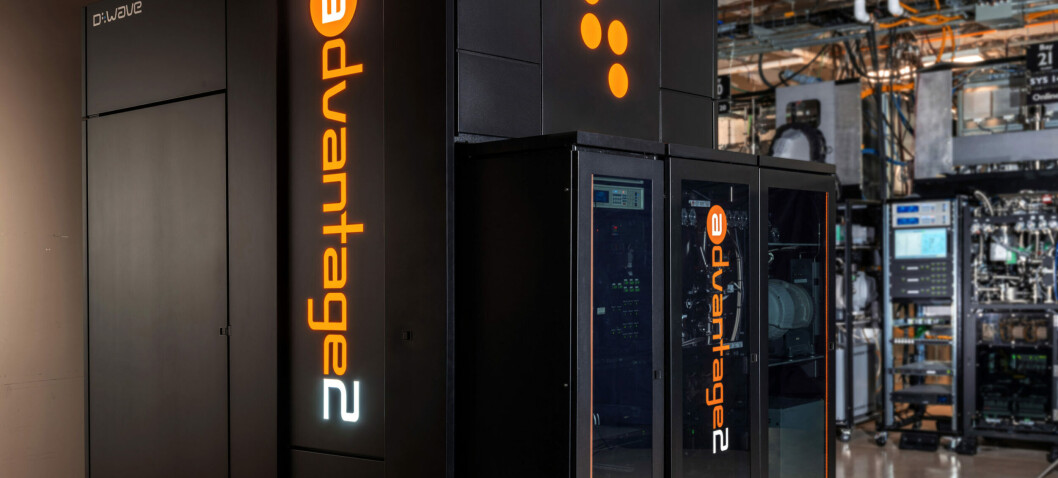
D-Wave is a quantum computing company that already has a growing business selling quantum systems, unlike many competitors still developing their technology. The company recently acquired another firm's dual-rail error correction technology to build gate-model quantum systems, which are a different approach from the annealing systems D-Wave currently sells. Dual-rail qubits detect errors directly in the hardware itself, potentially allowing the company to build fault-tolerant quantum computers with fewer physical qubits than competitors require. D-Wave's timeline includes releasing increasingly powerful systems over the next several years, with the goal of reaching 100 logical qubits capable of supporting commercial applications by the early 2030s.
Related news
South Korea to spend $1T on more memory chip production and humanoid robots
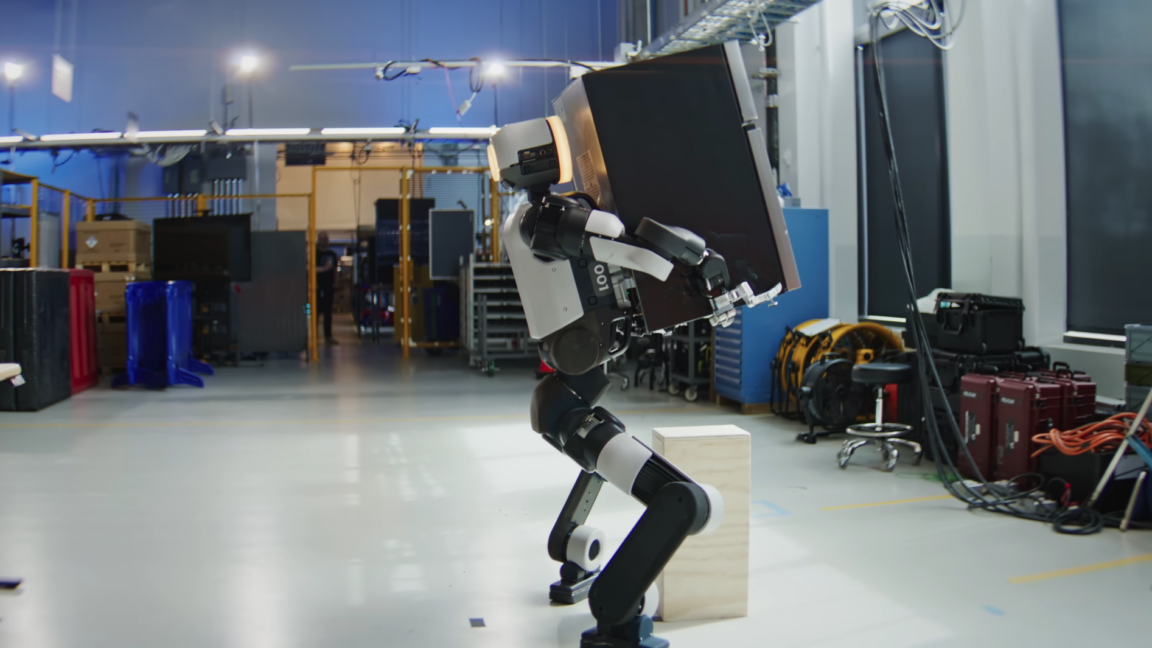
South Korea’s government and top tech companies are committing $1 trillion to several flagship megaprojects that could bolster global memory chip supply, build new AI data centers and spur commercial deployment of humanoid robots by 2028. The announcement comes as South Korean companies such as Samsung and SK Hynix have enjoyed record profits and stock valuations due to the AI industry’s demand for memory chips—with the subsequent supply strain leading to memory chip shortages and higher prices

South Korean tech giants commit over $550B to ease ‘RAMageddon’
The world's two largest memory chip companies vow to build more memory lab fabs as South Korea positions itself as an AI tech powerhouse country.