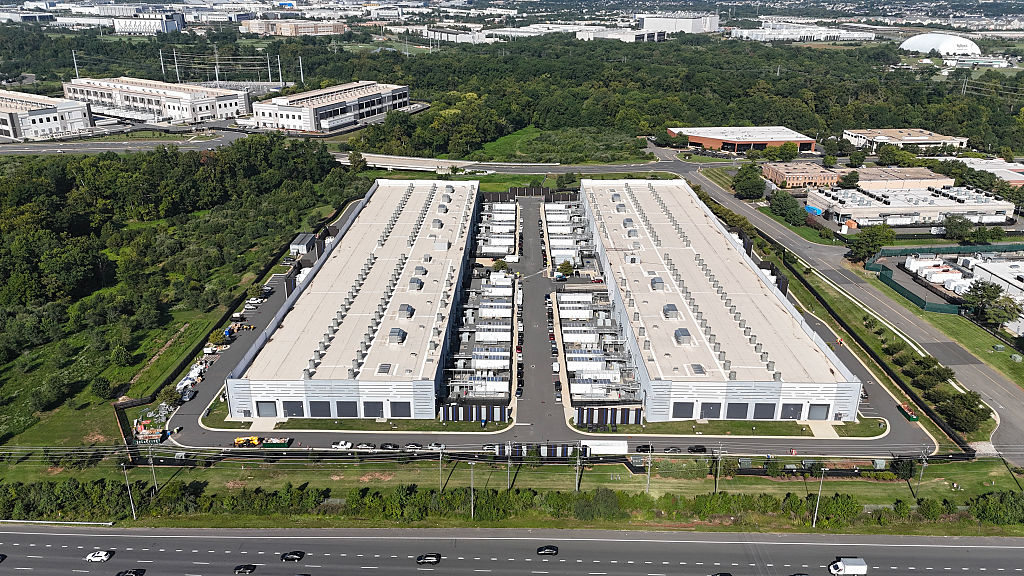
Can Supercapacitors Smooth AI’s Power Swings?
Supercapacitors promise millisecond response for AI-induced power transients, but most experts see them complementing, not replacing, UPS systems and batteries.
Get smart on it
AI workloads create sharp power spikes that conventional data center power systems struggle to handle. Supercapacitors are devices that store energy and release it in milliseconds to seconds, making them potentially useful for smoothing these sudden power demands. Rather than replacing existing backup systems like batteries and uninterruptible power supplies, supercapacitors are being tested alongside them to handle short bursts while those systems provide longer-term support. The data center supercapacitor market is still early but growing rapidly, with three different technological designs competing for deployment.
Related news

Rural Data Centers Are in for a Big Federal Tax Break
Under the One Big Beautiful Bill Act, data center projects in rural areas could be eligible for major tax benefits starting next year. Some hyperscalers do not seem eager to take the free cash.
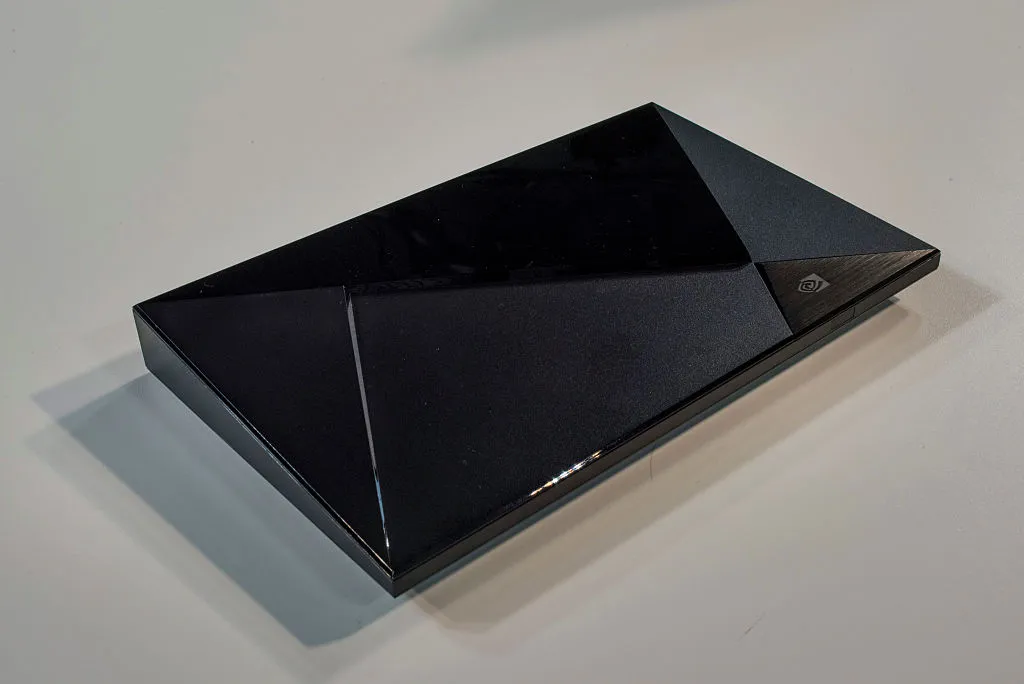
The Nvidia Shield TV Is 7 Years Old. It Just Got a $100 Price Hike
The price of anything with memory is skyrocketing thanks to AI. Aging streaming devices are no exception.