Can Data Center Design Choices Change Public Acceptance?
Operators use biomimicry, community co-design, and brownfield redevelopment to reduce the visual impact of data centers and improve local acceptance.
Get smart on it
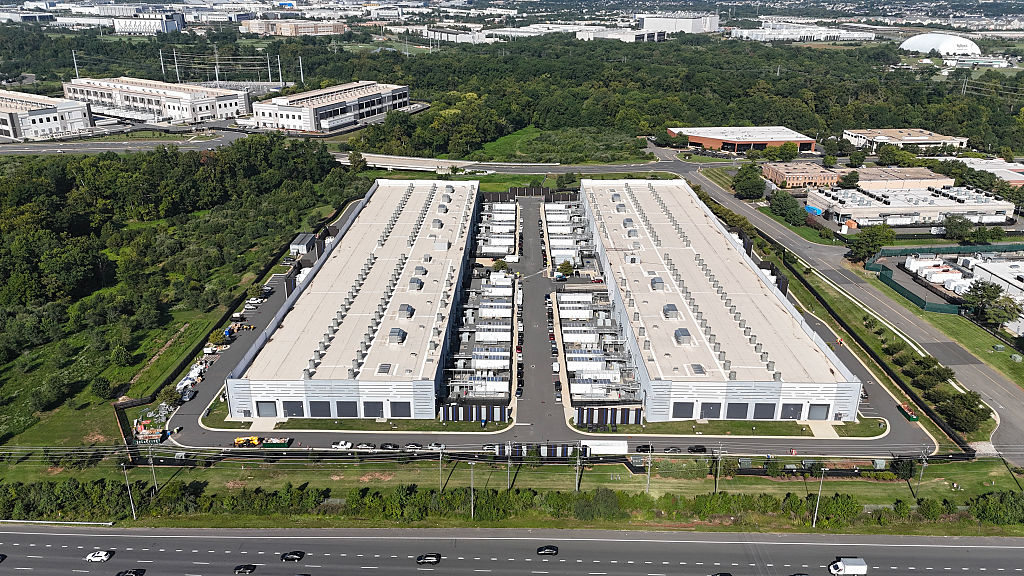
Data centers face public opposition due to concerns about their visual impact, along with worries about noise, energy use, and water consumption. To improve community acceptance, operators are using design strategies including biomimicry-based landscaping, underground or low-profile construction, and co-design processes that involve residents from the start. Research shows that residents prioritize building appearance, massing, materials, and height as key design concerns that architects can address. Developing data centers on previously used brownfield sites rather than undeveloped land also reduces environmental objections and can help facilities become community assets rather than perceived as anonymous warehouse buildings.
Related news

Rural Data Centers Are in for a Big Federal Tax Break
Under the One Big Beautiful Bill Act, data center projects in rural areas could be eligible for major tax benefits starting next year. Some hyperscalers do not seem eager to take the free cash.

The Nvidia Shield TV Is 7 Years Old. It Just Got a $100 Price Hike
The price of anything with memory is skyrocketing thanks to AI. Aging streaming devices are no exception.