Building AI infrastructure with the Effingham County community
OpenAI announces Project Camellia in Effingham County, Georgia, with commitments to responsible energy, community investment, jobs, and access to Codex.
Get smart on it
OpenAI is building a large data center called Project Camellia in Effingham County, Georgia, which will require 3.2 gigawatts of power delivered between 2028 and 2032. The company has made four main commitments to the community: residential electricity rates will not increase, water use will be minimal through a closed-loop system, the company will provide $80 million in community benefits plus up to $71 million in coding tool credits for students, and an independent annual audit will track compliance. OpenAI states that computing infrastructure is essential for AI development and that building this facility domestically strengthens American industry and creates jobs, with the company planning community engagement through meetings and a Georgia Community Compact to formalize commitments.
Related news

Designing High-Performance GPU Kernels with TileLang: Tensor-Core GEMM, Fused Softmax, FlashAttention, and Autotuning
In this tutorial, we explore TileLang as a high-level Python domain-specific language for designing and compiling performance-oriented GPU kernels through TVM. We begin by validating the CUDA environment and establishing reusable benchmarking and numerical-verification utilities, then progressively implement vector addition, tiled tensor-core matrix multiplication, schedule exploration, fused GEMM epilogues, row-wise softmax, and FlashAttention. Throughout the tutorial, we work directly with Ti

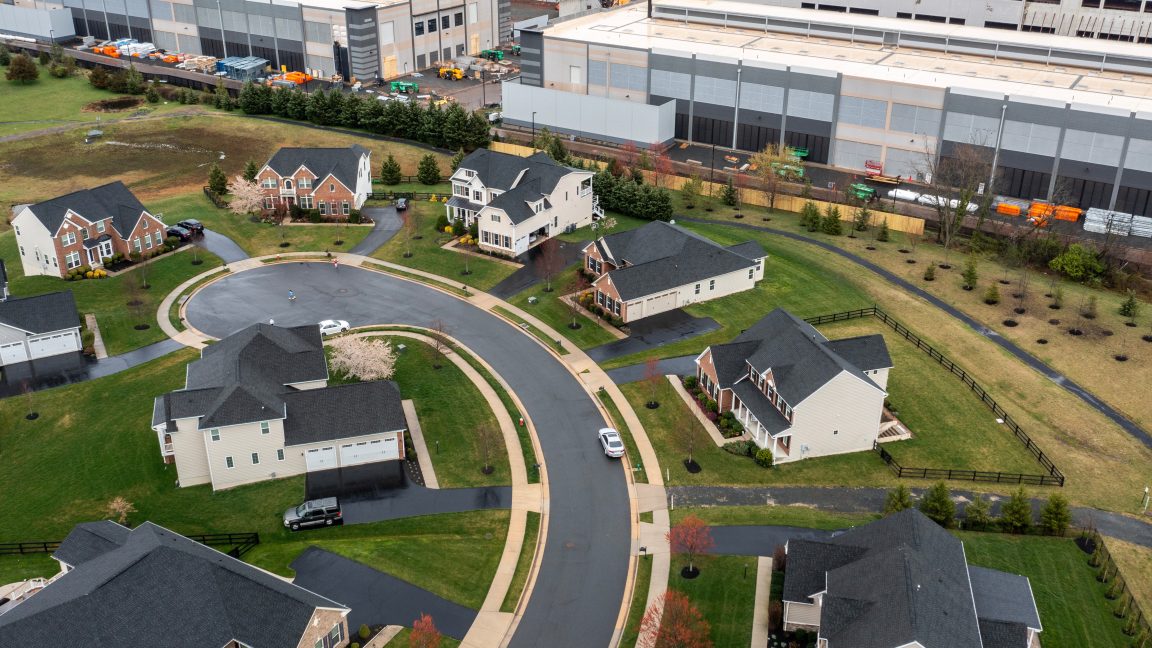
One fallen power line exposed a growing AI data center problem. Here’s how to fix it.
A close call in Northern Virginia revealed just how poorly data centers respond to grid disruptions. Here's how to fix the problem.

.jpg%3Fwidth%3D720%26quality%3D80%26disable%3Dupscale&s=kAmg5aaORKYzlMWL0upGuDAjzwWxVE-6xoVpfMYWKf4)