AMD Fires Back at Nvidia with Helios AI System, Epyc CPUs
AMD’s latest hardware innovations aim to reshape the AI infrastructure market, challenging Nvidia’s dominance and driving the next wave of agentic AI adoption.
Get smart on it
AMD announced a new rack-scale AI system called Helios, featuring integrated processors, GPUs, networking, and software, which the company says delivers more computing power, memory, and bandwidth than a competing system while costing less per token of output. The announcement matters because it represents AMD's direct challenge to a dominant competitor's control of the AI infrastructure market, an area expected to grow significantly as organizations adopt agentic AI systems that require both GPU and CPU resources. AMD's strategy includes offering a family of purpose-built server processors optimized for different workloads, with the company claiming performance advantages in benchmarks compared to competing processors. Industry analysts described this as a pivotal moment showing AMD is positioned as the only other company capable of offering an integrated GPU and CPU approach comparable to its main rival.
Related news
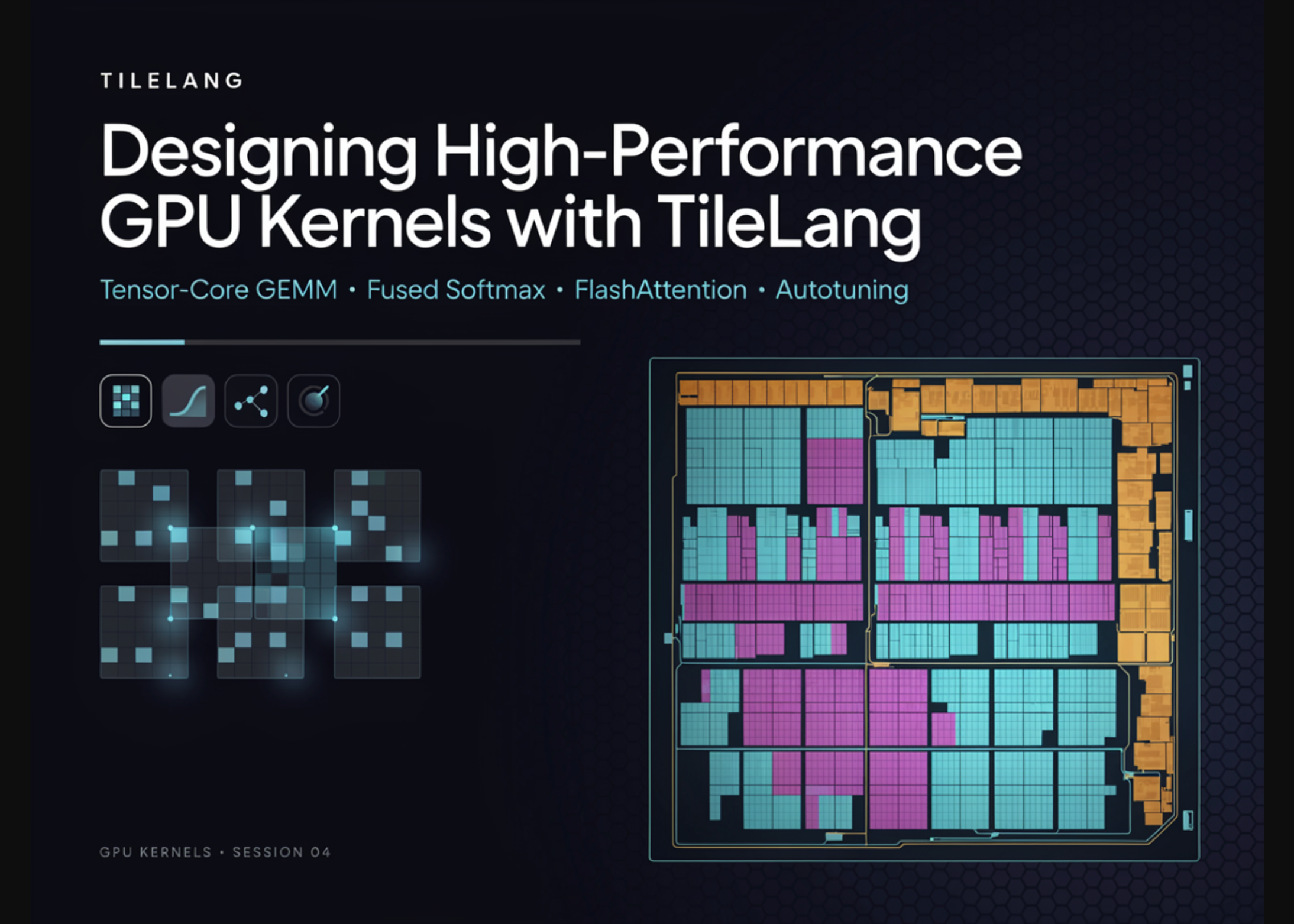
Designing High-Performance GPU Kernels with TileLang: Tensor-Core GEMM, Fused Softmax, FlashAttention, and Autotuning
In this tutorial, we explore TileLang as a high-level Python domain-specific language for designing and compiling performance-oriented GPU kernels through TVM. We begin by validating the CUDA environment and establishing reusable benchmarking and numerical-verification utilities, then progressively implement vector addition, tiled tensor-core matrix multiplication, schedule exploration, fused GEMM epilogues, row-wise softmax, and FlashAttention. Throughout the tutorial, we work directly with Ti

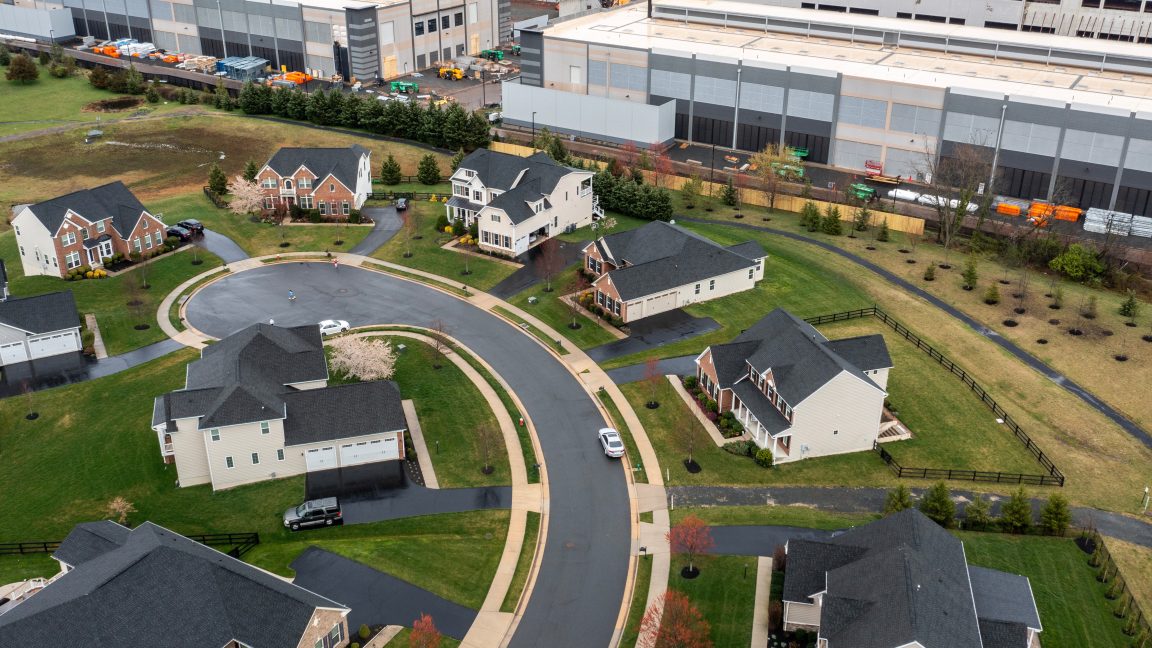
One fallen power line exposed a growing AI data center problem. Here’s how to fix it.
A close call in Northern Virginia revealed just how poorly data centers respond to grid disruptions. Here's how to fix the problem.

.jpg%3Fwidth%3D720%26quality%3D80%26disable%3Dupscale&s=kAmg5aaORKYzlMWL0upGuDAjzwWxVE-6xoVpfMYWKf4)