AI’s Duplicate Demand Problem Drives Grids to Commitment-First Planning
Recent FERC filings show AI developers and grid operators converging on stricter readiness rules to separate real power demand from speculative projects.
Get smart on it
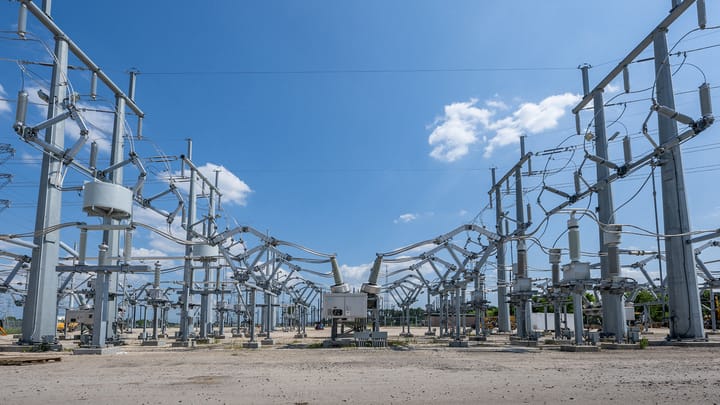
AI data center developers have been submitting large power requests to multiple utilities simultaneously while deciding where to build, causing regional electricity demand forecasts to become inflated with projects that may never actually be constructed. Grid operators and regulators are shifting to "commitment-first" planning that requires developers to demonstrate financial commitments and project maturity before counting their power needs in long-term forecasts. This approach aims to align scarce transmission infrastructure with projects likely to actually materialize, preventing utilities from building unnecessary power lines and substations based on speculative demand. The change reflects a broader consensus that interconnection queues are symptoms of deeper planning problems, though companies and regulators still disagree on specific mechanisms and cost allocation for the transmission upgrades that large loads require.
Related news
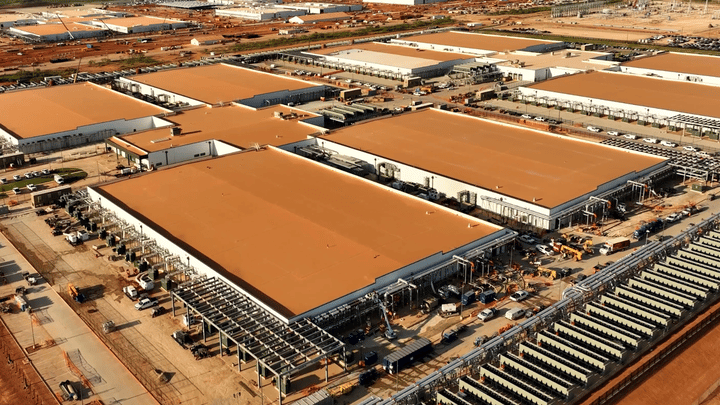
Stargate Update: AI’s Biggest Data Center Buildout Meets Reality
The initiative's success now hinges on whether it can scale faster than the mounting risks around energy, financing, governance, and community consent.
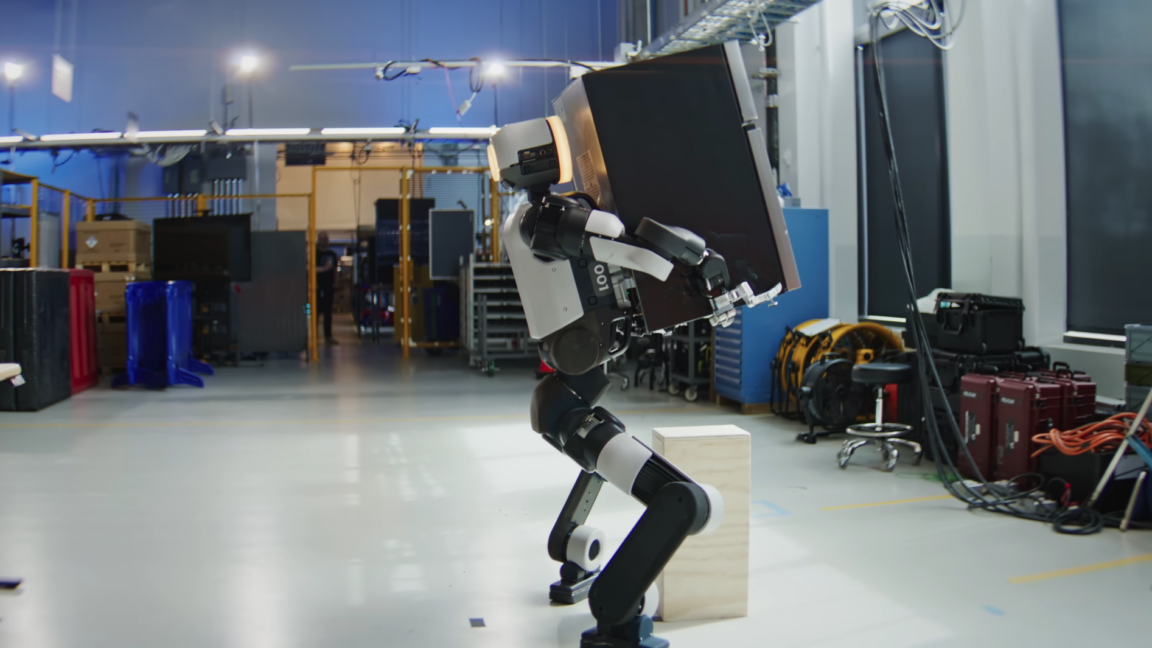
South Korea to spend $1T on more memory chip production and humanoid robots
South Korea’s government and top tech companies are committing $1 trillion to several flagship megaprojects that could bolster global memory chip supply, build new AI data centers and spur commercial deployment of humanoid robots by 2028. The announcement comes as South Korean companies such as Samsung and SK Hynix have enjoyed record profits and stock valuations due to the AI industry’s demand for memory chips—with the subsequent supply strain leading to memory chip shortages and higher prices