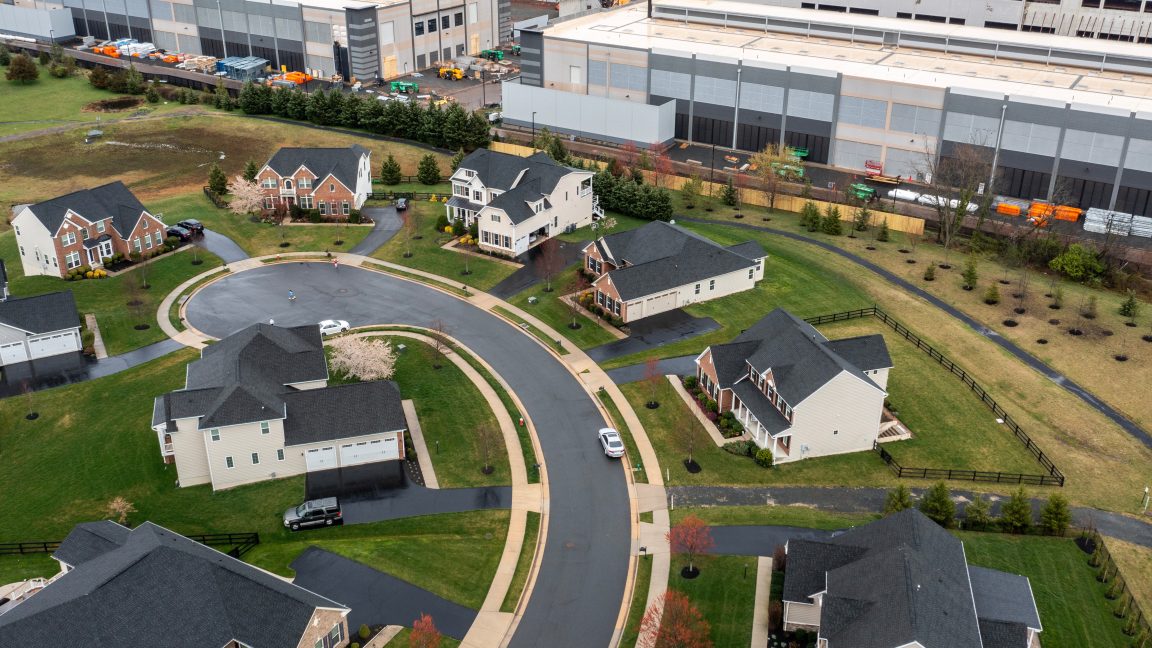
AI Data Center Boom Strains Global Construction Capacity
Data center construction is now the most capacity-constrained sector globally, driven by the rapid growth of AI infrastructure and labor shortages.
Get smart on it
Data center construction has become the world's most capacity-constrained construction sector due to rapid growth in AI infrastructure. Over 70 percent of global markets report data center contractor capacity as tightening or overstretched, with nearly 90 percent of respondents citing shortages in mechanical, electrical, and plumbing trades. The primary challenge is a skilled labor shortage, with about 71 percent of the construction sector reporting insufficient workers, making workforce availability the leading source of cost escalation. Companies are responding by shifting toward prefabrication and modular construction built in factories rather than on-site, establishing long-term supplier partnerships, and expanding data center locations to secondary markets where power and land may be more accessible.
Related news
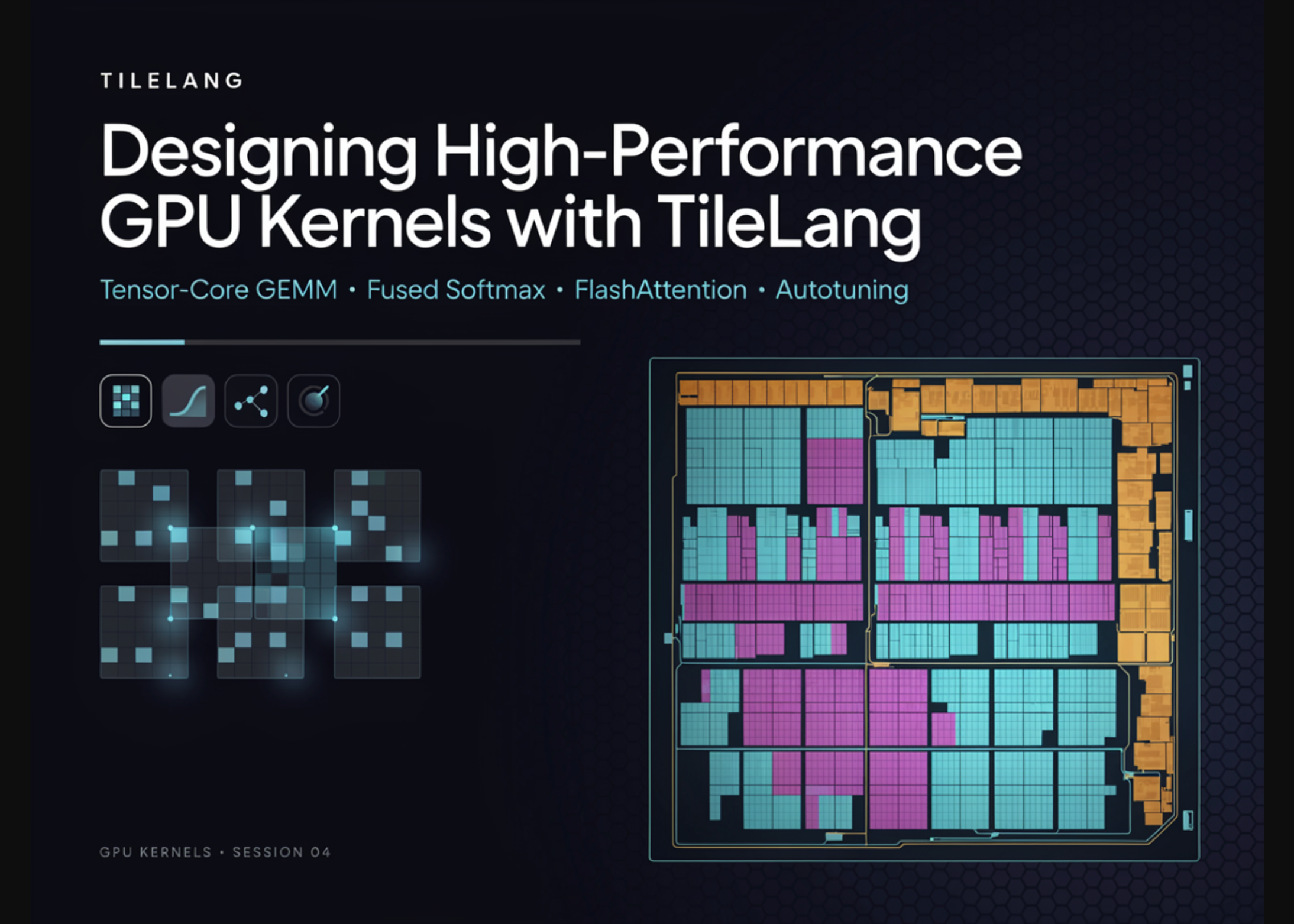
Designing High-Performance GPU Kernels with TileLang: Tensor-Core GEMM, Fused Softmax, FlashAttention, and Autotuning
In this tutorial, we explore TileLang as a high-level Python domain-specific language for designing and compiling performance-oriented GPU kernels through TVM. We begin by validating the CUDA environment and establishing reusable benchmarking and numerical-verification utilities, then progressively implement vector addition, tiled tensor-core matrix multiplication, schedule exploration, fused GEMM epilogues, row-wise softmax, and FlashAttention. Throughout the tutorial, we work directly with Ti

One fallen power line exposed a growing AI data center problem. Here’s how to fix it.
A close call in Northern Virginia revealed just how poorly data centers respond to grid disruptions. Here's how to fix the problem.

.jpg%3Fwidth%3D720%26quality%3D80%26disable%3Dupscale&s=kAmg5aaORKYzlMWL0upGuDAjzwWxVE-6xoVpfMYWKf4)