After the AI Rush, Can Data Centers Reclaim Sustainability?
Sustainability’s legacy was sidelined by AI growth and politics, but public scrutiny and hard economics are forcing a course correction.
Get smart on it
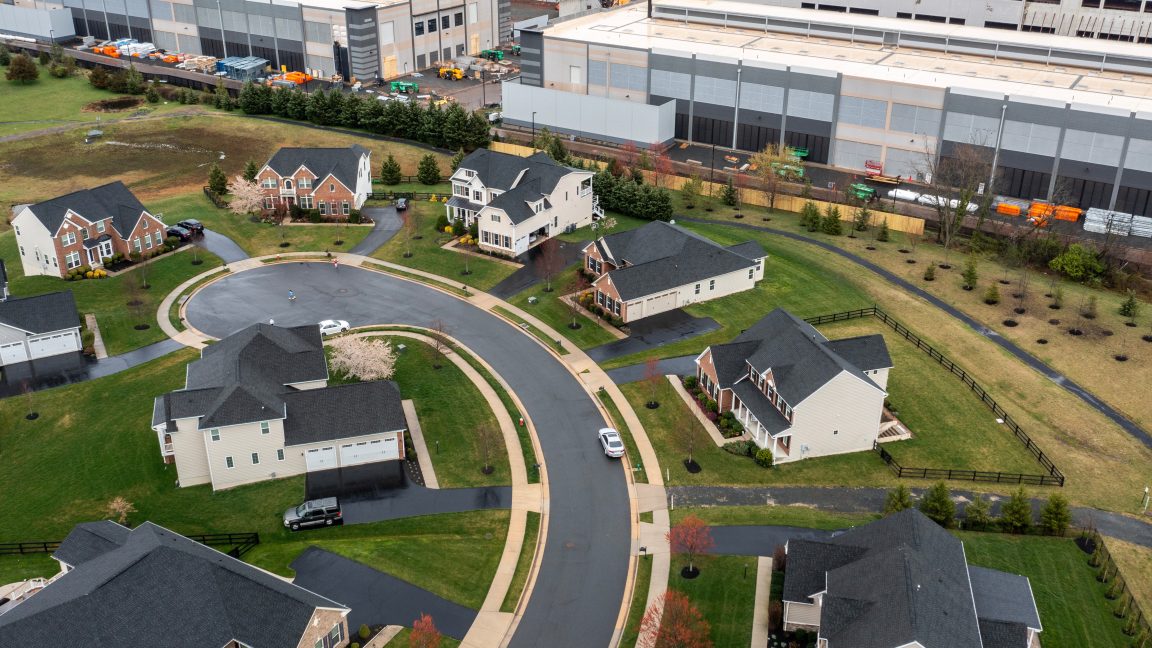
Data centers consume vast amounts of electricity, water, and resources, making their environmental impact a significant concern tied directly to local communities and power grids. The industry had made progress on sustainability through efficiency standards and voluntary commitments, but the rapid expansion of AI infrastructure shifted focus toward performance and capacity at the expense of environmental goals. Public opposition and regulatory pressure, including moratoria in multiple regions, are now forcing operators to reconsider sustainability as central to their strategy. Major companies are acknowledging that meeting prior net-zero commitments has become more difficult due to AI-driven energy demand, though some are funding new carbon removal and sustainable technology initiatives.
Related news

Designing High-Performance GPU Kernels with TileLang: Tensor-Core GEMM, Fused Softmax, FlashAttention, and Autotuning
In this tutorial, we explore TileLang as a high-level Python domain-specific language for designing and compiling performance-oriented GPU kernels through TVM. We begin by validating the CUDA environment and establishing reusable benchmarking and numerical-verification utilities, then progressively implement vector addition, tiled tensor-core matrix multiplication, schedule exploration, fused GEMM epilogues, row-wise softmax, and FlashAttention. Throughout the tutorial, we work directly with Ti

One fallen power line exposed a growing AI data center problem. Here’s how to fix it.
A close call in Northern Virginia revealed just how poorly data centers respond to grid disruptions. Here's how to fix the problem.

.jpg%3Fwidth%3D720%26quality%3D80%26disable%3Dupscale&s=kAmg5aaORKYzlMWL0upGuDAjzwWxVE-6xoVpfMYWKf4)