
State of Open Models: Summer 2026 Observations
As open-source AI models proliferate, tracking their capabilities against closed alternatives helps developers choose which tools suit their needs and budgets.
Make your prediction
Will the Hugging Face open model leaderboard show an open model ranked above GPT-4 class by August 31?
Resolves by Aug 31, 2026
Your prediction
50% · 50/50 coin flip
NOYES
Get smart on it
This is a biannual analysis of trends in open-source AI models from January through August 2026, examining what models researchers and developers are actually using versus what gets attention. The report matters because it distinguishes between two different measures of success: likes, which reflect excitement about frontier models when they launch, and downloads, which reveal what production systems actually depend on. The key context is that the open-source AI ecosystem contains millions of models with highly skewed usage patterns, where a small percentage of repositories account for most downloads, and where the types of models released by different organizations reveal strategic choices about whether to compete on frontier performance or provide comprehensive model families across different sizes.
Related news

What We Learned by Reproducing 2,200 papers from ICML
Researchers found significant gaps when attempting to verify published machine learning results, raising questions about reproducibility standards in AI research.
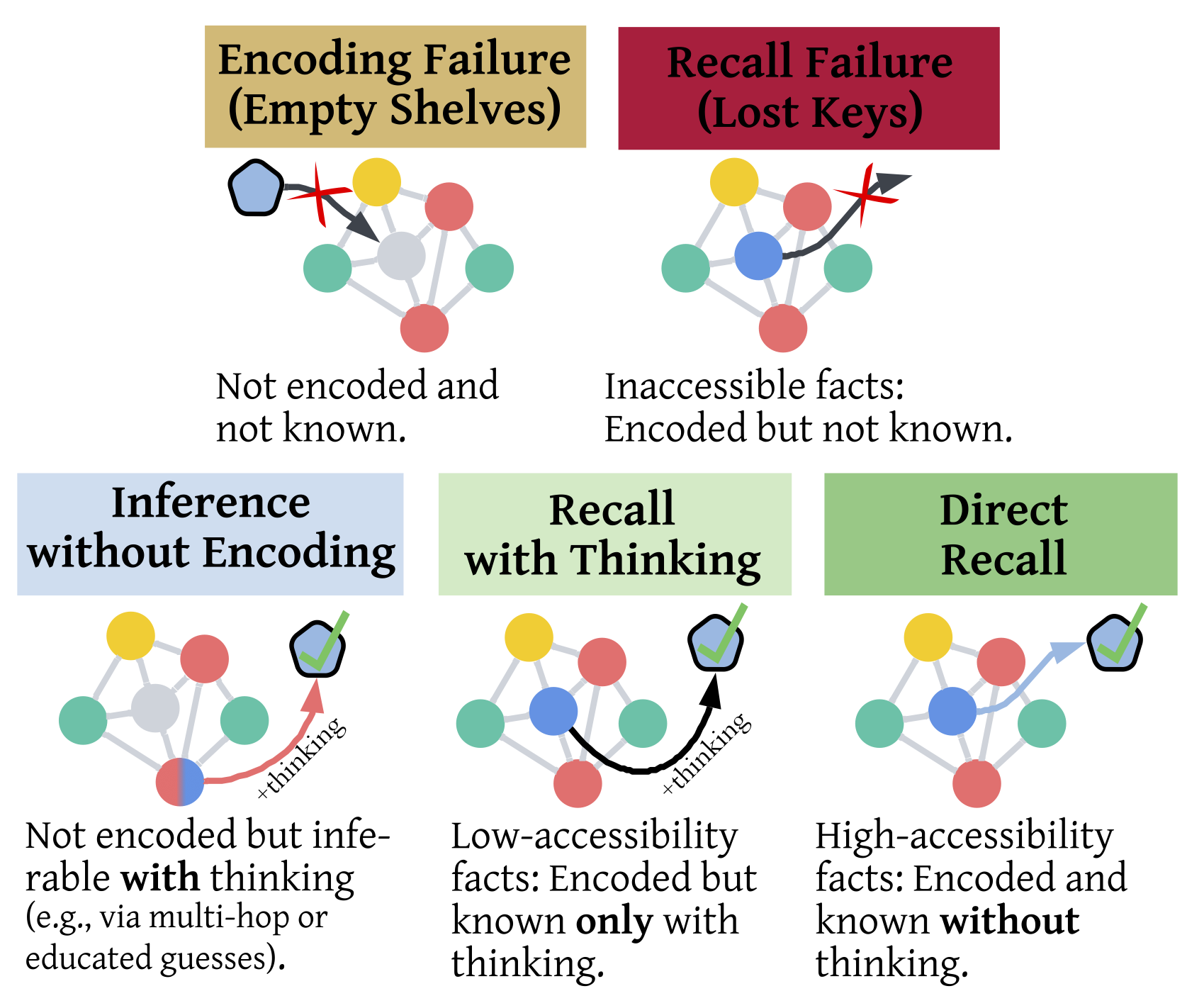
Empty shelves or lost keys? Recall is the bottleneck for parametric factuality
Generative AI

Xiaomi’s MiLM Plus Releases PROVE: Perception-Aligned Object Removal Metrics RC-S and RC-T With a Real-World Video Benchmark
Object removal models have improved faster than the metrics used to judge them. Diffusion erasers now reconstruct shadows, reflections and occluded structure convincingly, yet PSNR, SSIM, LPIPS, ReMOVE and CFD frequently rank their outputs the wrong way. The root cause is structural: erasure is an ill-posed, one-to-many task, so no single ground truth exists to compare against. A team from MiLM Plus, Xiaomi Inc. has released PROVE (Perceptual RemOVal cohErence), accepted at ACM MM 2026, to clos
