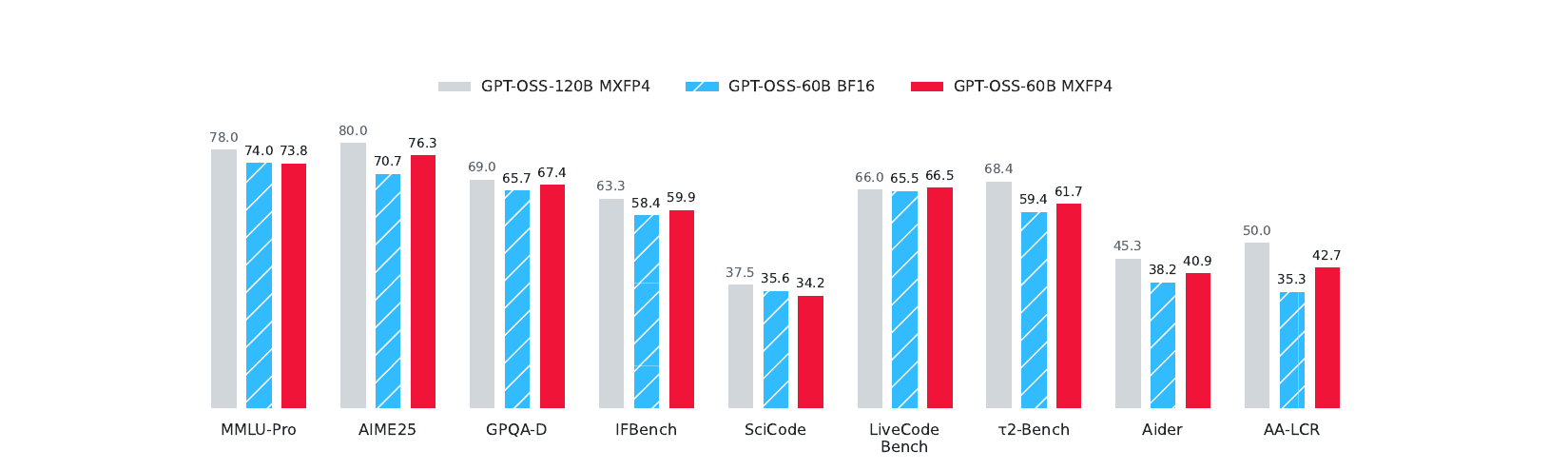
Quantization-Aware Healing: a compressed, 4-bit model that outperforms its full-precision original
Shrinking neural networks to use less memory and compute while maintaining or improving accuracy could make AI models cheaper to deploy widely.
Get smart on it
Making AI models smaller usually reduces their performance. The standard approach compresses the model architecture first, then converts its weights to lower precision (4-bit), then applies a recovery step called healing to restore lost capabilities. A new method called Quantization-Aware Healing (QAH) improves this process by distilling the compressed, quantized model directly from the original full-size model rather than from the already-degraded recovered version. This approach produced a 4-bit model that outperformed its full-precision equivalent on most tested benchmarks, making it smaller and more accurate than the version it came from.
Related news
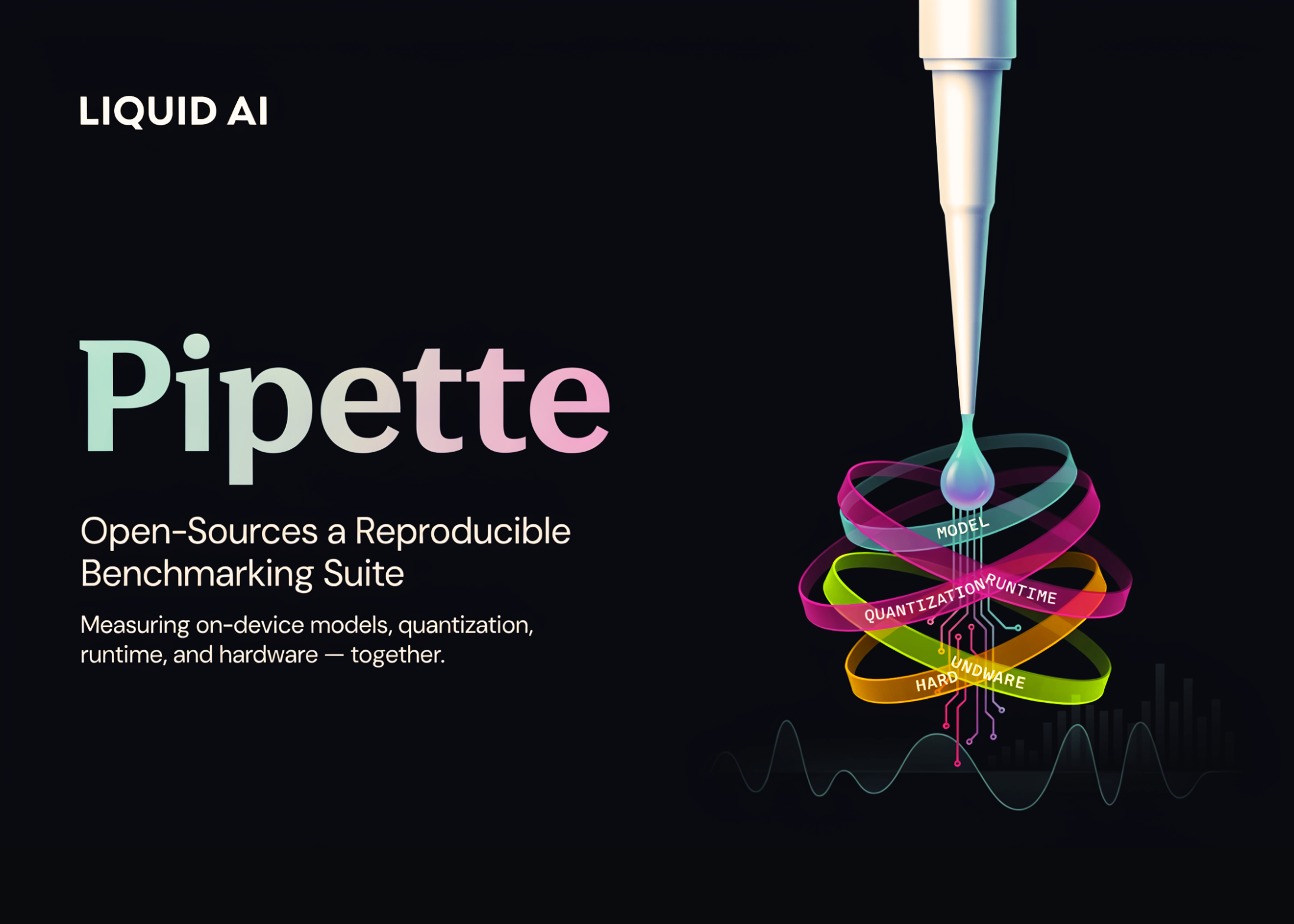
Liquid AI Open-Sources Pipette: A Reproducible Benchmarking Suite That Measures On-Device Models, Quantization, Runtime and Hardware Together
Model cards report quality under server-class, full-precision conditions. Those numbers rarely predict how the same model behaves on a phone. This week, Liquid AI released Pipette. It is an open-source platform for benchmarking foundation models on edge devices, built in partnership with Artificial Analysis as an independent methodology validator. Pipette treats on-device behavior as a property of the deployed system, not the model in isolation. Its unit of measurement is a full configuration:

OpenAI says its Jalapeño chip can power faster AI responses than the competition
OpenAI says its new AI chip, Jalapeño, completes tasks more efficiently and returns responses faster than other AI systems, according to a blog post published on Tuesday. During a briefing with reporters, OpenAI hardware vice president Richard Ho said Jalapeño offers the "best of both worlds" with lower latency and higher throughput, as AI systems typically "have to make a trade-off between the two." First introduced in June, Jalapeño is an Application-Spec


