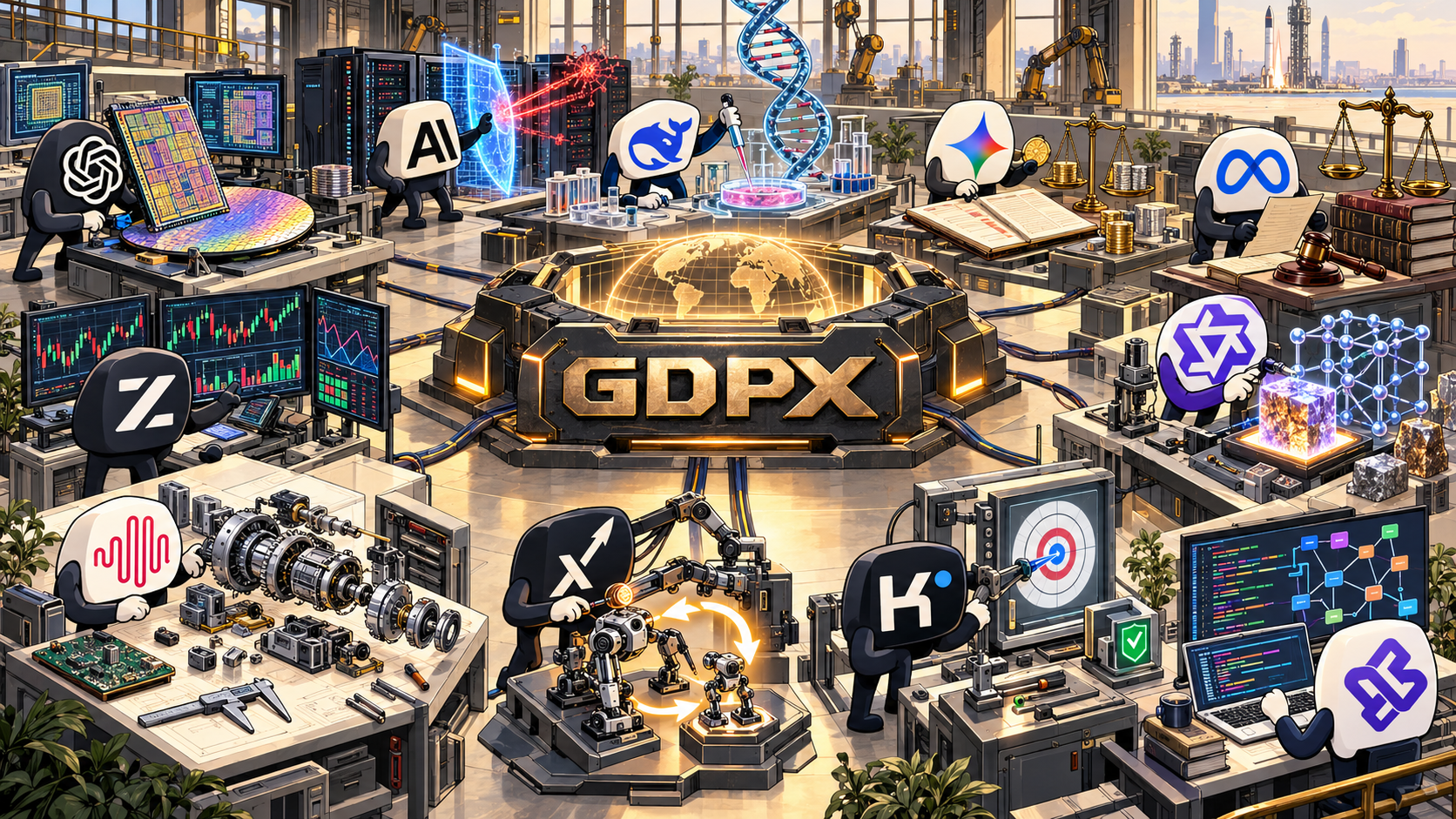
GDPx benchmark measures frontier AI model performance
SemiAnalysis: GDPx: Measuring Frontier Model Capabilities Across the Most Valuable Domains
GDPx is a benchmark that covers the most valuable domains for frontier intelligence. It aims to be the world’s best benchmark for measuring general agentic capabilities.We believe the first trillion dollars of AI revenue will be concentrated in sectors that can deploy frontier intelligence at high ROI, not broadly diffused throughout the whole economy. Building a general-purpose benchmark based on share of GDP or the SOC/O*NET occupational taxonomy is therefore a mistake. If your goal is t
Get smart on it
GDPx is a new benchmark designed to measure how well advanced AI models perform on tasks in high-value domains including chip design, cybersecurity, biology, finance, legal work, quant trading, and software engineering. The benchmark matters because it focuses evaluation on sectors where frontier AI models will have the most economic impact, rather than measuring broad GDP-based capabilities. Unlike earlier general benchmarks, GDPx was built with specialized expertise from domain-specific partners to create tasks that are genuinely difficult for the right reasons, avoiding problems like unfair grading criteria or tasks that don't reflect real-world work. Even the best-performing models score only 12 percent on GDPx, indicating these are frontier-level challenges where current AI capabilities remain limited.
Explainer: How to Actually Read an AI Benchmark (Without Being Fooled)
Relevant courses
Want to go deeper than the news? Explore live, cohort-based AI courses taught by practitioners.
Browse AI courses on MavenRelated news

Mistral Says Its AI Model ‘Le Chonk’ Has Leapfrogged China in the Open-Weight Race
The French AI lab claims its latest release matches or outperforms even the best models from DeepSeek and Z.ai in coding and cybersecurity.
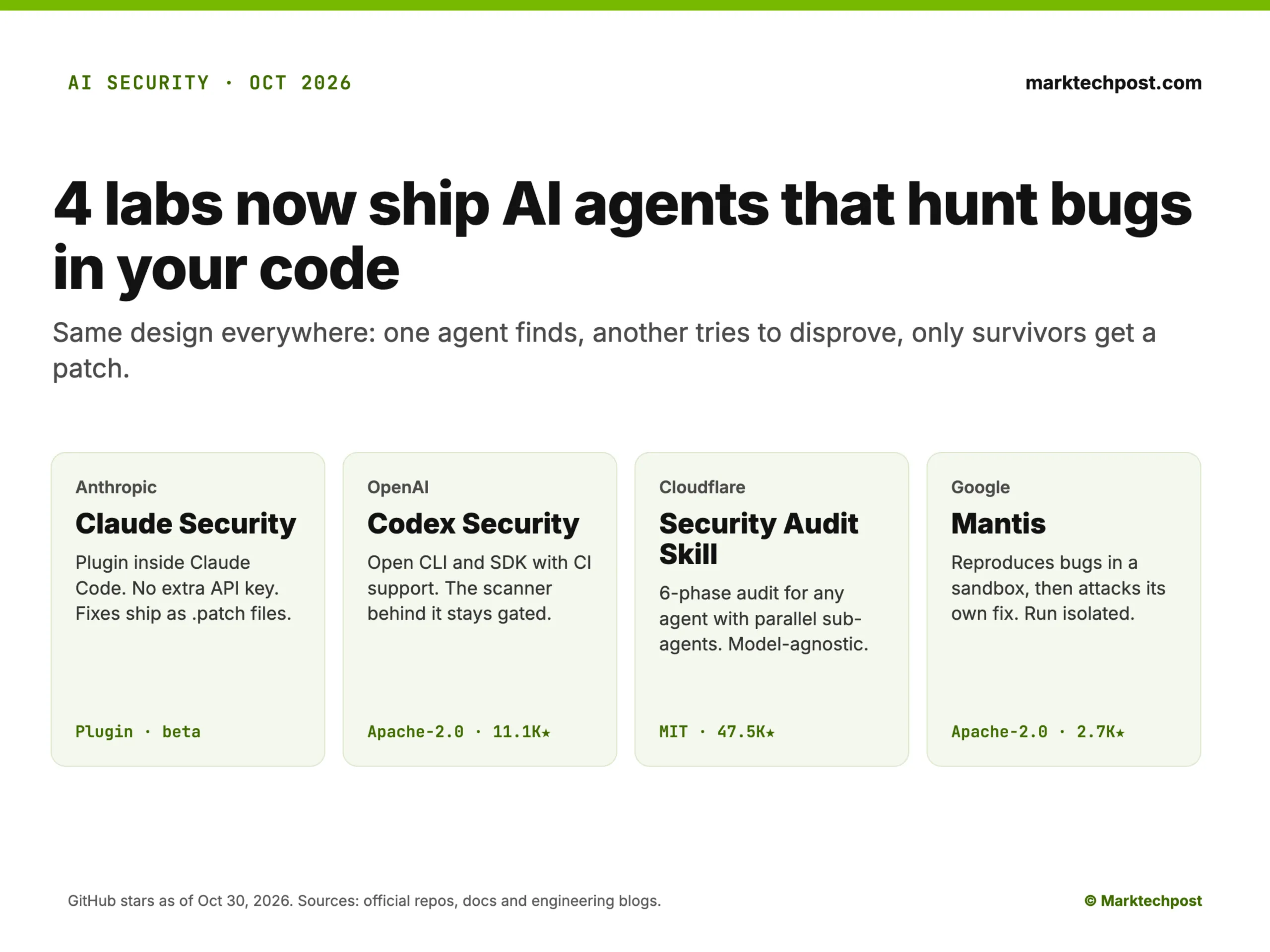
AI Security Agents Compared: Claude, Codex, Mantis, Cloudflare
Anthropic, OpenAI, Cloudflare and Google now each ship an AI agent that hunts security bugs in source code. We checked the repos, docs and technical details behind each one. The key finding: all 4 tools converge on one design. One agent finds a bug, a separate agent tries to disprove it, and only survivors get a patch. The differences are in where they run, who can use them and how much proof they demand. Key Takeaways 4 labs, 1 pattern: find, independently disprove, then patch. Cl
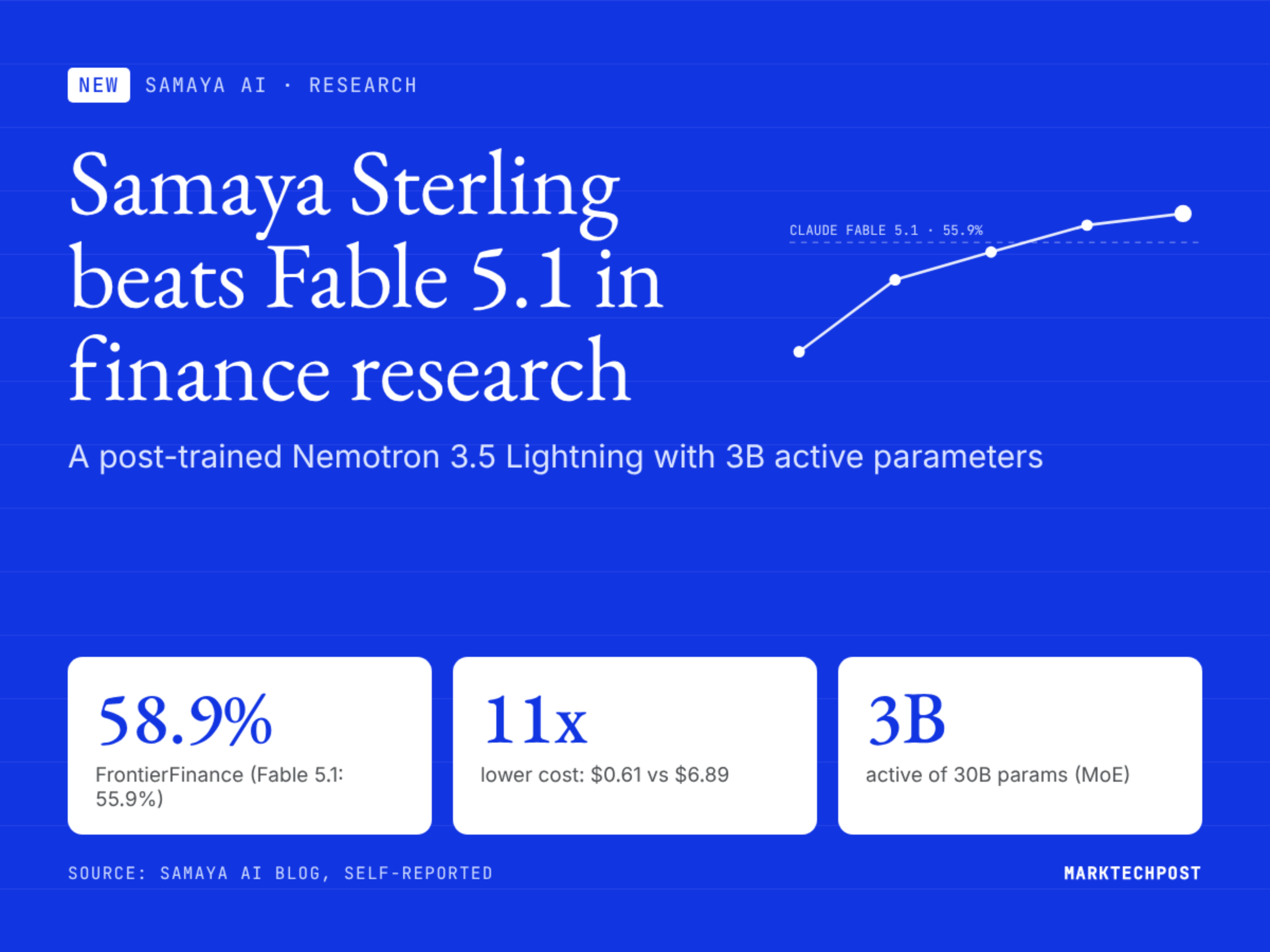
Samaya AI Releases Sterling: A 3B-Active Finance Research Agent Model that Beats Claude Fable 5.1 on FrontierFinance at 11x Lower Cost
Samaya AI has released Samaya Sterling, a post-trained model for agentic financial research. Sterling is built on NVIDIA’s Nemotron 3.5 Lightning, a 30B mixture-of-experts model with 3B active parameters. On Samaya’s FrontierFinance benchmark, it scores 58.9%. Claude Fable 5.1 scores 55.9%. Each Sterling question costs $0.61, against $6.89 for Fable 5.1. For developers, the takeaway is a concrete recipe: co-train a small model with its harness, and it can win in a narrow domain.
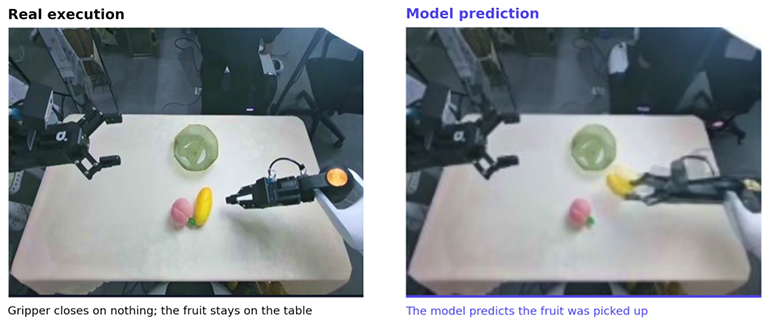
WorldOracle Tests Whether World Models Can Reliably Predict Real-World Executions
Key Takeaways WorldOracle is a benchmark for action-conditioned world models (ACWMs) that scores each model’s predicted rollout against the paired real-world execution, with both starting from the same initial observations and following the same action sequence. Seven representative models were evaluated; arm motion was predicted relatively well, but object positions and movements often deviated from reality, and performance dropped over complete operation sequences. The platform opened t
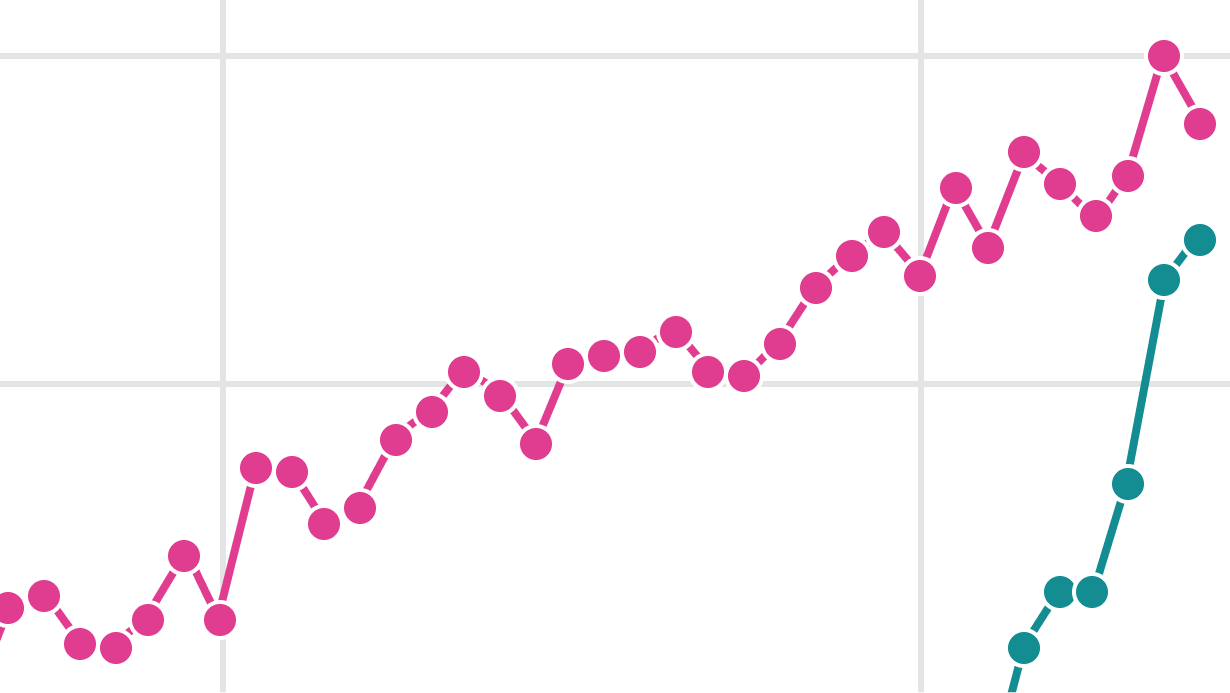
LLM use is acknowledged almost as often as specialized AI tools in biology preprints
17% of biology preprints acknowledge LLM use, nearly matching specialized tools like AlphaFold. Epoch AI analyzes trends in AI acknowledgment in research.

Don’t assume composability in AI safety. Deployments need their own testing.
Practitioners know that a deployed system behaves differently from its base model, and that its behavior keeps changing as they change the system prompt, retrieval layers, fine-tuning, and so on. But safety evaluation often assumes the opposite, with teams citing the base model’s safety score from the system card for whatever they’ve done on top of the model. Many in the field end up holding both beliefs at once: expecting behavior to shift when they build on a model, yet basing purchasing and