Your Prompts and Skills need a system of record.
Studio provides a system of record for AI prompts and skills—versioned, owned, and traceable. Iterate fast, ship with control, and ensure consistent AI behavior.
Get smart on it
Most enterprises manage AI prompts and skills, which control how AI systems behave, in scattered locations like code repositories and messaging threads without clear ownership or version tracking. This approach creates inconsistent behavior, makes it difficult to identify which prompt version is running in production, and slows down iterations because changes must wait for code deployments. A system of record for prompts and skills would provide centralized versioning, ownership tracking, audit logs, and the ability to connect prompts to their actual production behavior, allowing business teams to make improvements without requiring engineer involvement while maintaining compliance controls.
Related news
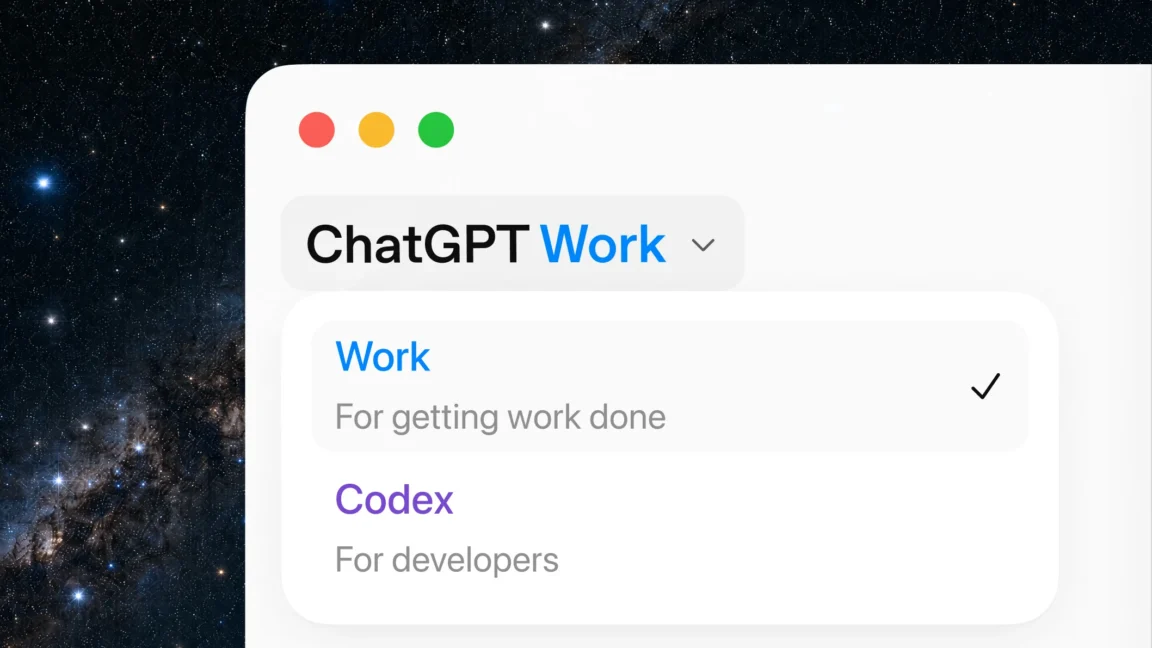
OpenAI wants its new tool to do your work for you and with you
Last year, when we tested out the "Agent Mode" in OpenAI's Atlas web browser, we complained that any automated tasks tended to stop after a few minutes, limiting its usefulness for ongoing or complex tasks. With today's release of ChatGPT Work, OpenAI says it has solved that problem with a new tool that can "stay with a project for hours if needed, and turn a goal into finished work." The company is challenging users to evaluate ChatGPT Work by "giv[ing] it a task you already know well," such as

An AI agent startup just let its agent run its $100M fundraise
Lyzr, a startup that builds AI agents for enterprises, used its own AI agent to raise a $100 million round — proof, evidently, that the product actually works.