OpenAI is shutting down Atlas, but its AI browser ambitions are still growing
OpenAI is sunsetting its AI-powered browser after less than a year. But it's moving some agentic browsing features to its desktop app and a Chrome extension.
Get smart on it
OpenAI is shutting down Atlas, an AI-powered browser it launched with ChatGPT at its core, but is redistributing the browser features it tested across ChatGPT's desktop app and a Chrome extension instead. The company concluded that the browser should be a feature rather than a destination, folding Atlas' capabilities into places where people already work. OpenAI is launching a ChatGPT Chrome extension that allows users to ask questions about web pages and summarize content, while also upgrading the ChatGPT desktop app with a more robust browser and a separate cloud browser where AI agents can complete tasks on a user's behalf.
Related news
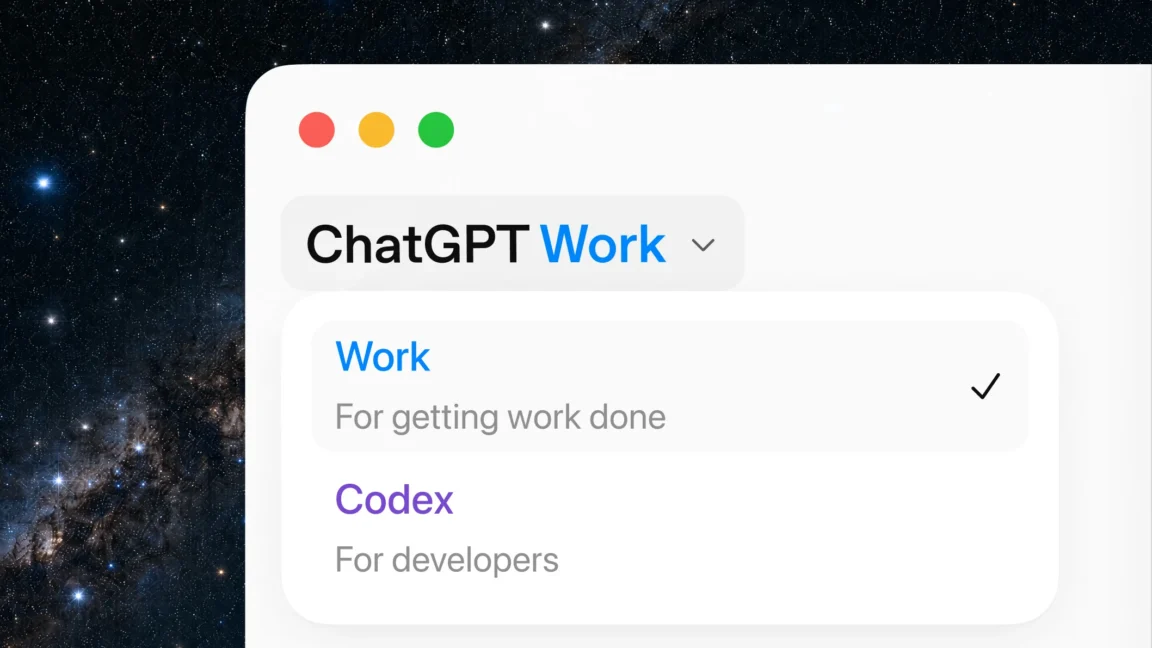
OpenAI wants its new tool to do your work for you and with you
Last year, when we tested out the "Agent Mode" in OpenAI's Atlas web browser, we complained that any automated tasks tended to stop after a few minutes, limiting its usefulness for ongoing or complex tasks. With today's release of ChatGPT Work, OpenAI says it has solved that problem with a new tool that can "stay with a project for hours if needed, and turn a goal into finished work." The company is challenging users to evaluate ChatGPT Work by "giv[ing] it a task you already know well," such as

An AI agent startup just let its agent run its $100M fundraise
Lyzr, a startup that builds AI agents for enterprises, used its own AI agent to raise a $100 million round — proof, evidently, that the product actually works.