
XPRIZE Wildfire winners spotted fires within 10 min, but couldn’t stop them
Wildfire detection from space and firefighting drones featured among the finalists honored in the $11 million XPRIZE Wildfire competition. Although no team walked away with either of the two grand prizes, such technologies could prove helpful as the world grapples with the growing costs of worsening wildfire disasters. The competition’s First Prize track for space-based wildfire detection challenged teams to accurately detect all fires across a large swath of Australia within 10 minutes. A secon
Get smart on it
An international competition with an $11 million prize challenged teams to develop technology for detecting wildfires from space and autonomously suppressing them with drones. Although no team won either grand prize, finalists successfully detected fires within the required 10-minute window, but none managed to fully extinguish the blazes they targeted. The competition highlighted that while detecting wildfires early is now achievable through satellite imagery and AI systems, actually stopping fires remains a significant challenge for current technology. As wildfire disasters continue to worsen globally, such technologies could help protect firefighters and communities by providing early detection and autonomous response capabilities.
Relevant courses
Want to go deeper than the news? Explore live, cohort-based AI courses taught by practitioners.
Browse AI courses on MavenRelated news

OpenAI's upcoming chat-and-work merger in ChatGPT signals the end of all-you-can-prompt pricing
OpenAI combines the Chat and Work modes into a single interface. Starting in December, Plus, Pro, and Business plans will share a common, token-based quota for ChatGPT and Codex. More complex models consume more of this quota, while simple instant chats do not count toward it. In practice, this is likely to result in a decline in ChatGPT’s quality for heavy users on lower-cost plans. The article OpenAI's upcoming chat-and-work merger in ChatGPT signals the end of all-you-can-prompt
Also reported by TechCrunch

Uber only fulfilled 4 rides from AI agents last quarter
AI agents won't be stealing Uber's lunch any time soon. Only four rides were arranged by third-party AI agents during the third quarter of 2026, Uber executives disclosed during an earnings call this morning. The volume of Uber Eats orders fulfilled by AI agents was a little higher, with the company recording "around 500" during the week of Halloween, out of a total 320 million Uber rides and Uber Eats deliveries. This is the first time that Uber has disclosed the number of t
Also reported by TechCrunch

Introducing Images 2.6
Images 2.6 brings faster image generation, GIF creation, more precise editing, and new API controls across ChatGPT, Codex, and the API.

A thousand fewer paths to root
OpenAI built an autonomous pipeline that found, validated, and generated patches for 948 local privilege-escalation vulnerabilities in the Linux kernel.
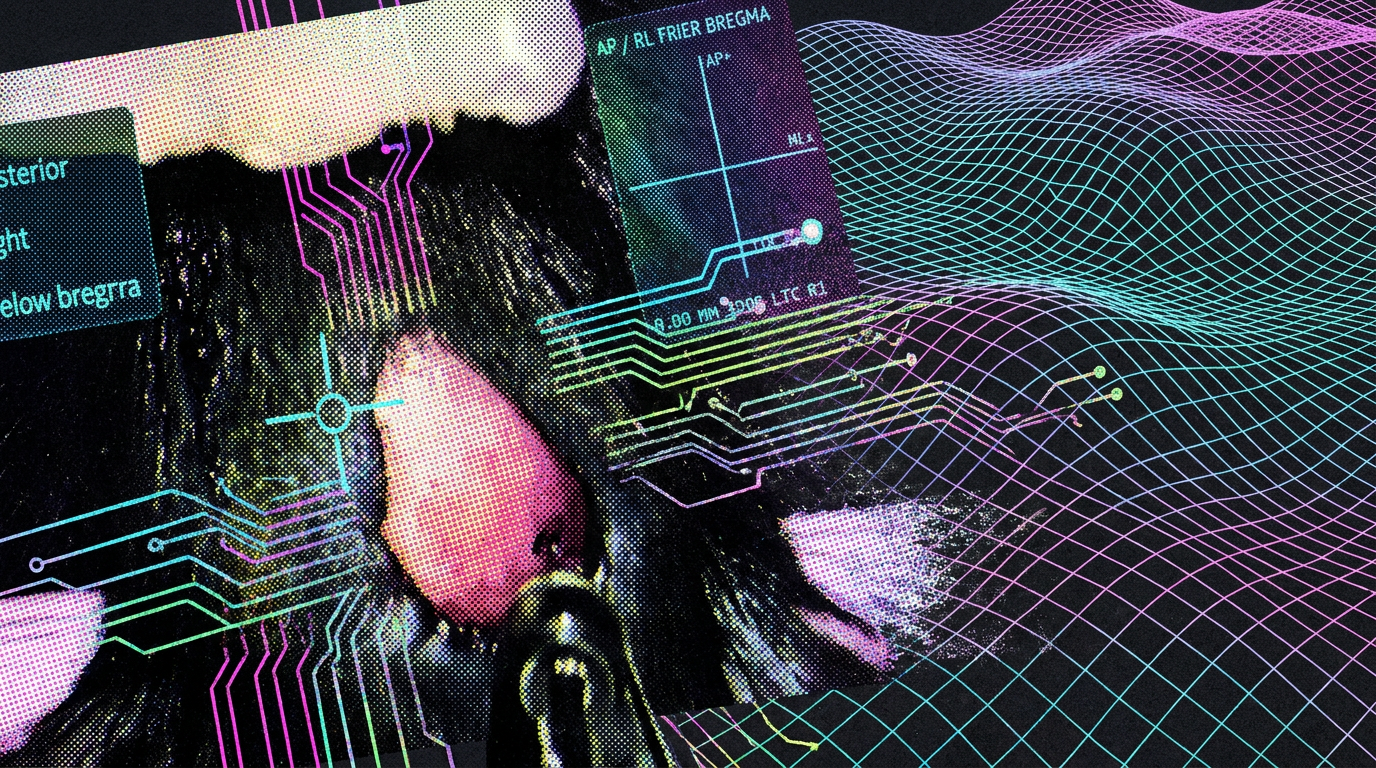
A Claude model autonomously chose a gene therapy and operated on a mouse brain with no human decision-making
An AI agent performed brain surgery on an epileptic mouse, picking the drug, the brain target, and the injection coordinates on its own. According to lead researcher Ocana-Santero, it's the first time an AI agent has autonomously chosen a treatment and delivered it to a living mammal. But when a calibration error hit mid-surgery, the agent refused to continue and couldn't be talked out of it. The article A Claude model autonomously chose a gene therapy and operated on a mouse brain with

Open source AI is booming. Hugging Face explains who profits.
Open source models are becoming more mainstream as enterprises, governments and startups alike rely on the promise of lower costs, more control, and more flexibility. But as increasingly capable models become more freely available, how do companies capture value? And with Chinese open models gaining ground, can American players keep up? On this episode of […]