Why the rise of open source AI isn’t hurting Anthropic … yet
Open source models’ success isn’t coming at the expense of frontier labs. Instead, they each seem to capture two phases of the same life cycle.
Make your prediction
Will Anthropic announce a major new enterprise partnership or funding round by September 30, 2026?
Resolves by Sep 30, 2026
Your prediction
50% · 50/50 coin flip
NOYES
Get smart on it
Open source AI models are becoming more popular, but expensive frontier AI models from companies like Anthropic are not losing market share as quickly as might be expected. According to data from infrastructure platforms, cheaper open source models are handling more token volume, yet frontier models still capture the majority of spending because they charge significantly higher prices per token. The theory explaining this is that frontier models are used to develop and prove new use cases, which then migrate to cheaper open source alternatives as they mature, while new use cases continuously emerge to sustain demand for expensive frontier models. This two-tiered system, where frontier labs handle early-stage development and open source handles production, may become a stable feature of the AI economy.
Related news
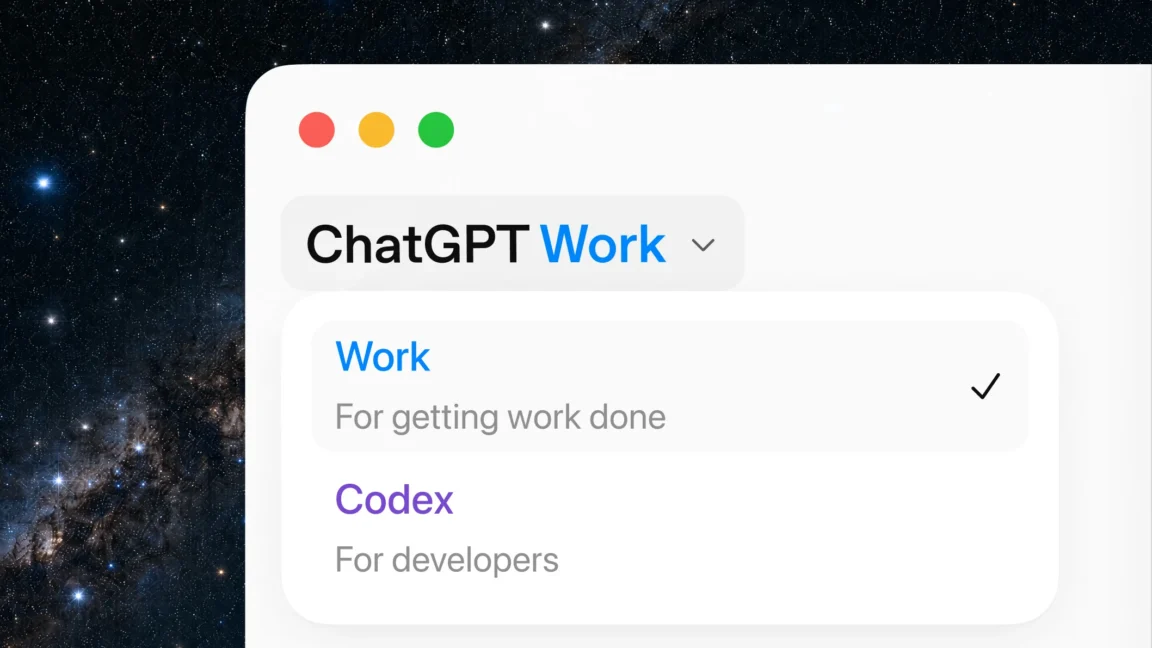
OpenAI wants its new tool to do your work for you and with you
Last year, when we tested out the "Agent Mode" in OpenAI's Atlas web browser, we complained that any automated tasks tended to stop after a few minutes, limiting its usefulness for ongoing or complex tasks. With today's release of ChatGPT Work, OpenAI says it has solved that problem with a new tool that can "stay with a project for hours if needed, and turn a goal into finished work." The company is challenging users to evaluate ChatGPT Work by "giv[ing] it a task you already know well," such as

An AI agent startup just let its agent run its $100M fundraise
Lyzr, a startup that builds AI agents for enterprises, used its own AI agent to raise a $100 million round — proof, evidently, that the product actually works.