The power of collaboration: How we can reduce traffic congestion
Algorithms & Theory
Get smart on it
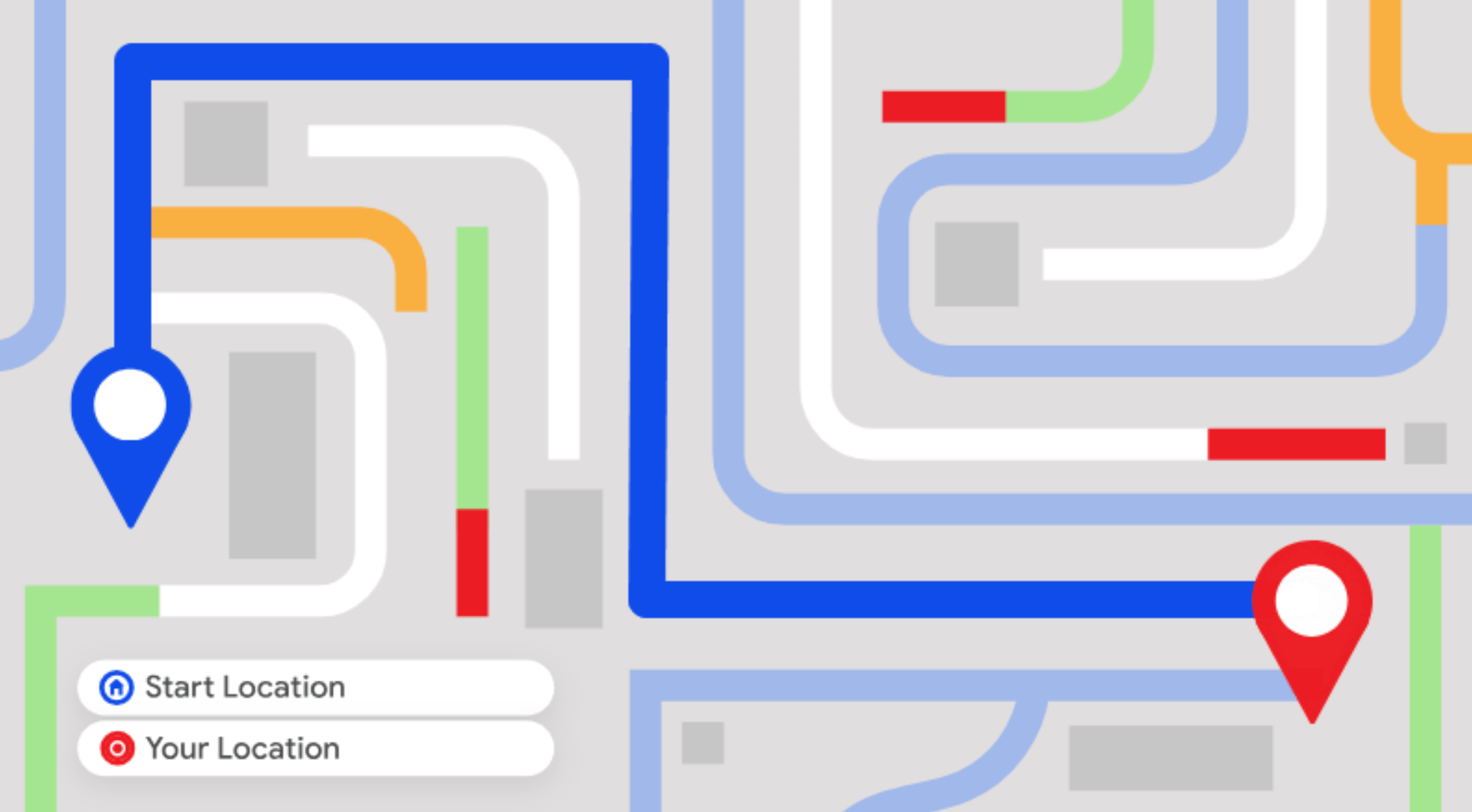
Researchers conducted a large-scale study in major US cities to test whether navigation apps could reduce traffic congestion by strategically rerouting a small fraction of trips away from bottlenecks toward alternative routes with similar travel times. The study found that even modest routing interventions produced measurable improvements, with median increases in driving speeds on targeted segments and corresponding decreases in fuel consumption that translate to thousands of tons of CO2 emissions saved per city annually. This matters because vehicle transportation accounts for significant global emissions and wastes drivers' time, making efficient use of transportation networks important for both environmental and economic reasons. The research demonstrates that coordinating trips through navigation platforms can create system-wide benefits that help all road users, not just app users, and establishes a framework for future traffic management approaches.
Related news
OpenAI wants its new tool to do your work for you and with you
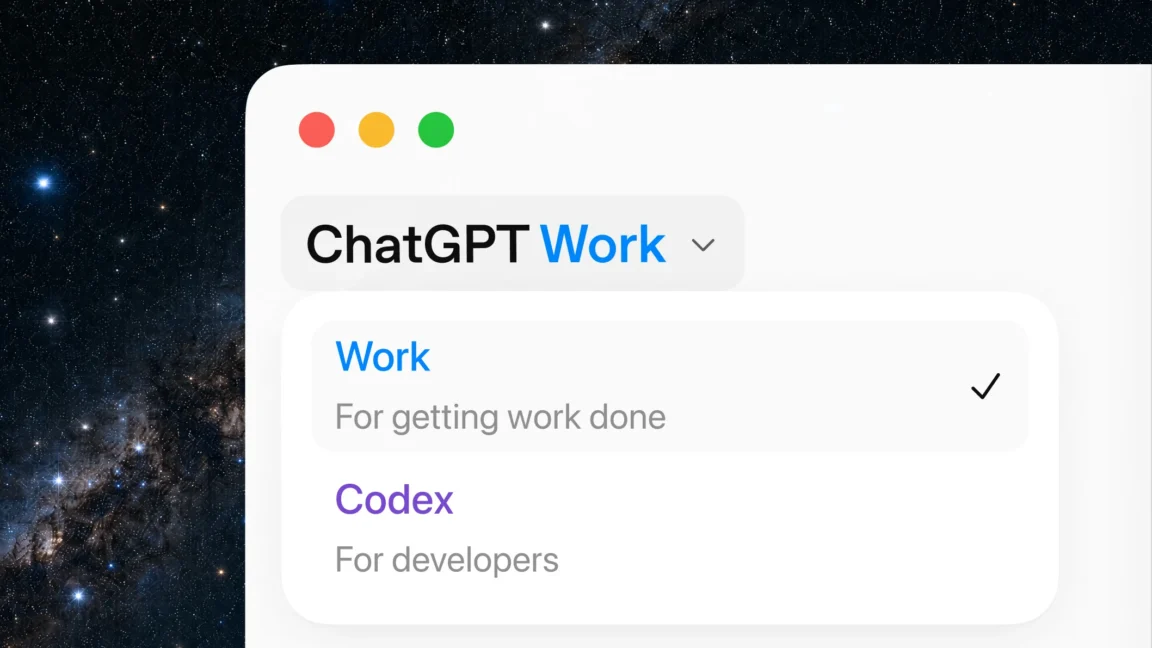
Last year, when we tested out the "Agent Mode" in OpenAI's Atlas web browser, we complained that any automated tasks tended to stop after a few minutes, limiting its usefulness for ongoing or complex tasks. With today's release of ChatGPT Work, OpenAI says it has solved that problem with a new tool that can "stay with a project for hours if needed, and turn a goal into finished work." The company is challenging users to evaluate ChatGPT Work by "giv[ing] it a task you already know well," such as

An AI agent startup just let its agent run its $100M fundraise
Lyzr, a startup that builds AI agents for enterprises, used its own AI agent to raise a $100 million round — proof, evidently, that the product actually works.