SpeakON Ships a MagSafe AI Voice Button With Its Own Microphone
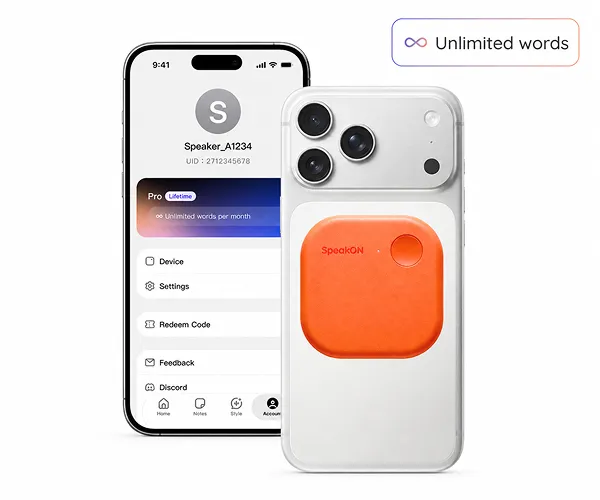
Voice input on phones has been solved for years. What has not been solved is the output. Speak into most dictation tools and you get back exactly what you said, fillers and false starts included, in a note you then have to clean up and move somewhere else. SpeakON attacks that gap with hardware: a 25 g magnetic button that snaps to the back of an iPhone, carries its own microphone, and writes finished text straight into whatever app is already open. The Positioning: a Communicator, not a Dic
Get smart on it
A magnetic button that attaches to iPhones carries its own microphone and battery to capture voice input and convert it to text that appears directly in any open app, without requiring app switching or clipboard steps. Unlike standard dictation tools that transcribe speech verbatim, this device processes the audio through features like Smart Polish to remove verbal fillers and restarts, Smart List to structure sequences as bullets, and Style to adjust tone based on the destination app. The dedicated microphone on the device, rather than the phone's system microphone, means the phone remains available for calls or other audio features, and users avoid granting the background microphone permissions that voice tools typically require. The device costs $129 one time with lifetime pro features included and is available in the United States.
Relevant courses
Want to go deeper than the news? Explore live, cohort-based AI courses taught by practitioners.
Browse AI courses on MavenRelated news
OpenAI's upcoming chat-and-work merger in ChatGPT signals the end of all-you-can-prompt pricing
OpenAI combines the Chat and Work modes into a single interface. Starting in December, Plus, Pro, and Business plans will share a common, token-based quota for ChatGPT and Codex. More complex models consume more of this quota, while simple instant chats do not count toward it. In practice, this is likely to result in a decline in ChatGPT’s quality for heavy users on lower-cost plans. The article OpenAI's upcoming chat-and-work merger in ChatGPT signals the end of all-you-can-prompt
Also reported by TechCrunch
An AI Agent Injected Drugs Into a Live Mouse’s Brain
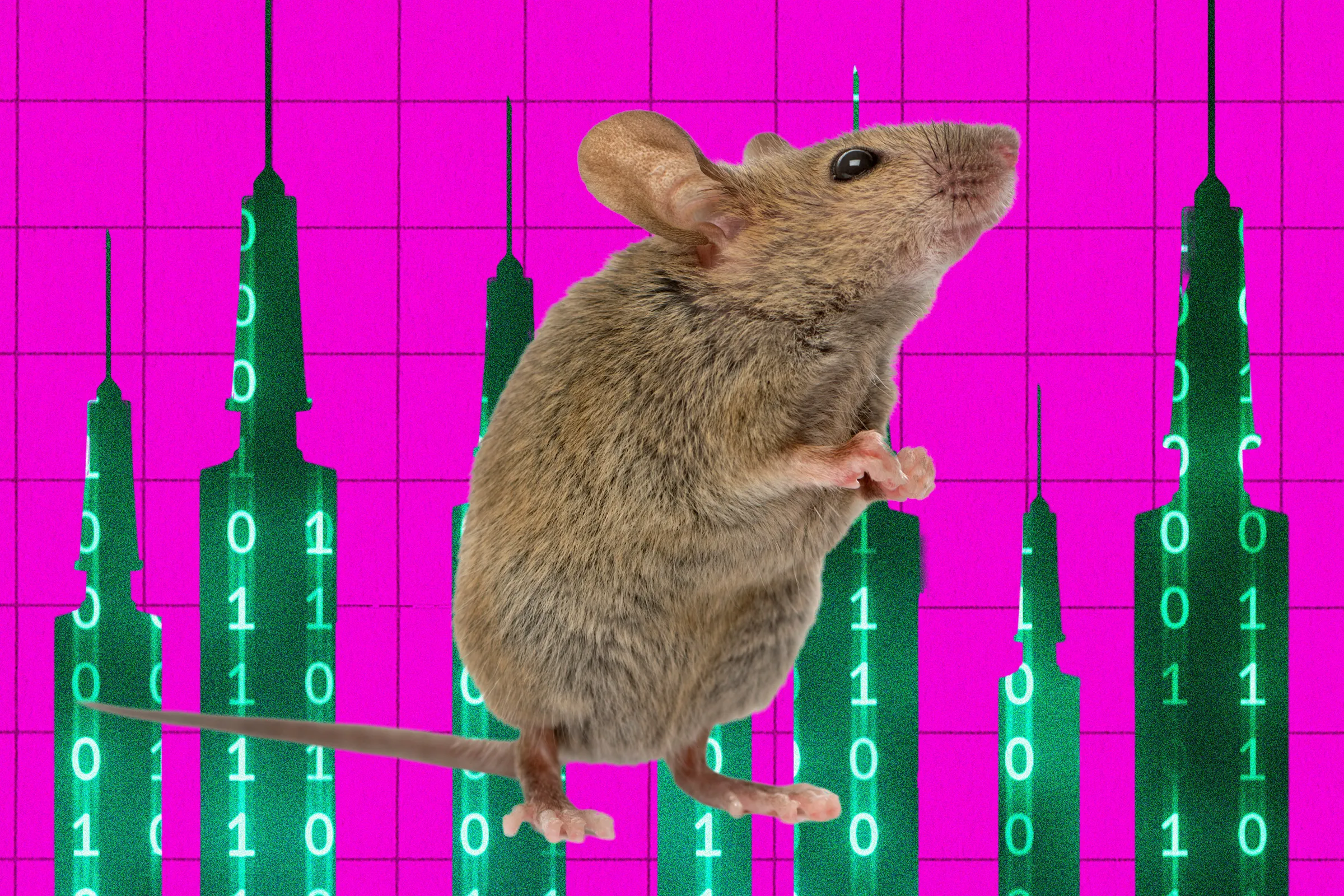
A biotech startup let an agent choose a gene therapy and successfully inject the treatment, offering a startling glimpse of the future of research labs.
Also reported by The Decoder

Uber only fulfilled 4 rides from AI agents last quarter
AI agents won't be stealing Uber's lunch any time soon. Only four rides were arranged by third-party AI agents during the third quarter of 2026, Uber executives disclosed during an earnings call this morning. The volume of Uber Eats orders fulfilled by AI agents was a little higher, with the company recording "around 500" during the week of Halloween, out of a total 320 million Uber rides and Uber Eats deliveries. This is the first time that Uber has disclosed the number of t
Also reported by TechCrunch

Introducing Images 2.6
Images 2.6 brings faster image generation, GIF creation, more precise editing, and new API controls across ChatGPT, Codex, and the API.

A thousand fewer paths to root
OpenAI built an autonomous pipeline that found, validated, and generated patches for 948 local privilege-escalation vulnerabilities in the Linux kernel.

Open source AI is booming. Hugging Face explains who profits.
Open source models are becoming more mainstream as enterprises, governments and startups alike rely on the promise of lower costs, more control, and more flexibility. But as increasingly capable models become more freely available, how do companies capture value? And with Chinese open models gaining ground, can American players keep up? On this episode of […]