
Oracle deploys AI testing and database security tools
SiliconANGLE: Oracle connects AI-driven testing with a new approach to database security
Frontier AI models that uncover software flaws by the hundreds are forcing database providers into larger, faster patch cycles, and real application testing is becoming the safeguard that keeps those fixes from breaking production systems. The same AI wave is also undermining security rules written into applications. Oracle Corp. has responded on two fronts, hardening […] The post Oracle connects AI-driven testing with a new approach to database security appeared first on SiliconANGLE.
Get smart on it
Frontier AI models are finding hundreds of software flaws in database systems, forcing companies to issue much larger and more frequent security patches. This creates two problems: patches themselves can break production systems, and AI agents accessing databases can bypass traditional security rules built into applications. A database provider responded by using AI to test its own code for vulnerabilities, then deployed two security approaches: Real Application Testing to ensure patches don't cause problems, and Deep Data Security that enforces user identity and business rules at the database layer rather than in application code, preventing AI agents from bypassing those protections.
Relevant courses
Want to go deeper than the news? Explore live, cohort-based AI courses taught by practitioners.
Browse AI courses on MavenRelated news

Introducing Images 2.6
Images 2.6 brings faster image generation, GIF creation, more precise editing, and new API controls across ChatGPT, Codex, and the API.

Uber only fulfilled 4 rides from AI agents last quarter
AI agents won't be stealing Uber's lunch any time soon. Only four rides were arranged by third-party AI agents during the third quarter of 2026, Uber executives disclosed during an earnings call this morning. The volume of Uber Eats orders fulfilled by AI agents was a little higher, with the company recording "around 500" during the week of Halloween, out of a total 320 million Uber rides and Uber Eats deliveries. This is the first time that Uber has disclosed the number of t
Also reported by TechCrunch

OpenAI's upcoming chat-and-work merger in ChatGPT signals the end of all-you-can-prompt pricing
OpenAI combines the Chat and Work modes into a single interface. Starting in December, Plus, Pro, and Business plans will share a common, token-based quota for ChatGPT and Codex. More complex models consume more of this quota, while simple instant chats do not count toward it. In practice, this is likely to result in a decline in ChatGPT’s quality for heavy users on lower-cost plans. The article OpenAI's upcoming chat-and-work merger in ChatGPT signals the end of all-you-can-prompt
Also reported by TechCrunch

A thousand fewer paths to root
OpenAI built an autonomous pipeline that found, validated, and generated patches for 948 local privilege-escalation vulnerabilities in the Linux kernel.

Open source AI is booming. Hugging Face explains who profits.
Open source models are becoming more mainstream as enterprises, governments and startups alike rely on the promise of lower costs, more control, and more flexibility. But as increasingly capable models become more freely available, how do companies capture value? And with Chinese open models gaining ground, can American players keep up? On this episode of […]
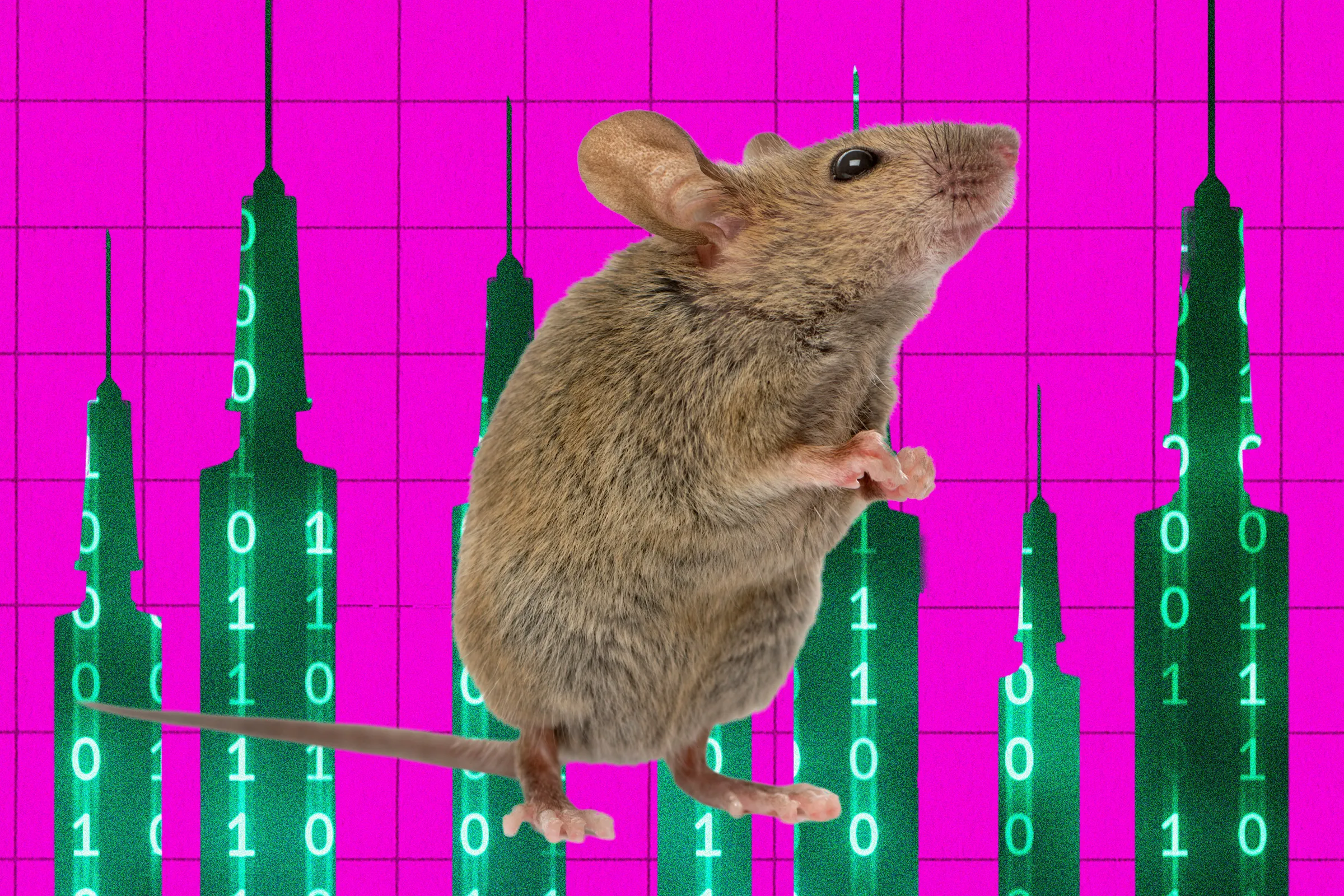
An AI Agent Injected Drugs Into a Live Mouse’s Brain
A biotech startup let an agent choose a gene therapy and successfully inject the treatment, offering a startling glimpse of the future of research labs.
Also reported by The Decoder