Omdia: The Agentic Era Collapses Cloud Layers
Omdia research shows AI models are collapsing traditional cloud architectures by integrating multiple layers into single API calls and shifting billing from “pay-per-layer” to “pay-per-token.”
Get smart on it
Traditional cloud computing architecture has been organized in separate layers that companies paid for independently, but AI models are now combining multiple layers into single API calls and shifting billing to a token-based model. This collapse of layered structure is reshaping how cloud infrastructure is built and priced, with three new layers emerging: AI Cloud Infrastructure, Model-as-a-Service, and Agent-as-a-Service. The shift matters because it changes what vendors can sell and how customers pay, while also reflecting a fundamental change in how humans and machines interact as machines increasingly take on autonomous work roles.
Related news
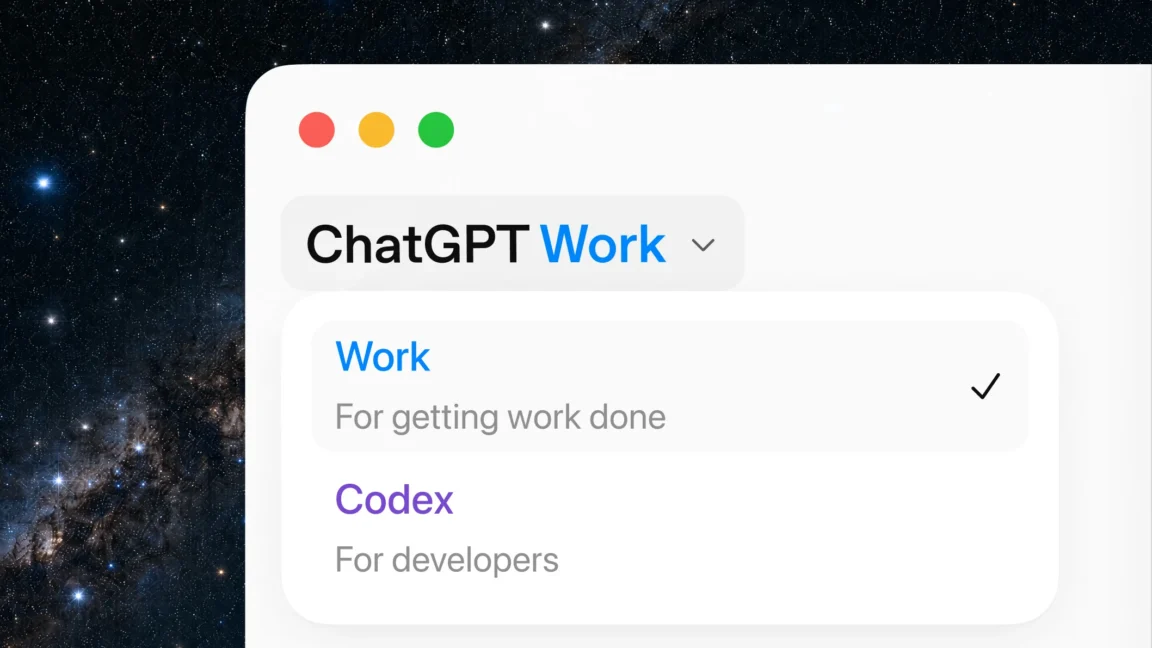
OpenAI wants its new tool to do your work for you and with you
Last year, when we tested out the "Agent Mode" in OpenAI's Atlas web browser, we complained that any automated tasks tended to stop after a few minutes, limiting its usefulness for ongoing or complex tasks. With today's release of ChatGPT Work, OpenAI says it has solved that problem with a new tool that can "stay with a project for hours if needed, and turn a goal into finished work." The company is challenging users to evaluate ChatGPT Work by "giv[ing] it a task you already know well," such as

An AI agent startup just let its agent run its $100M fundraise
Lyzr, a startup that builds AI agents for enterprises, used its own AI agent to raise a $100 million round — proof, evidently, that the product actually works.