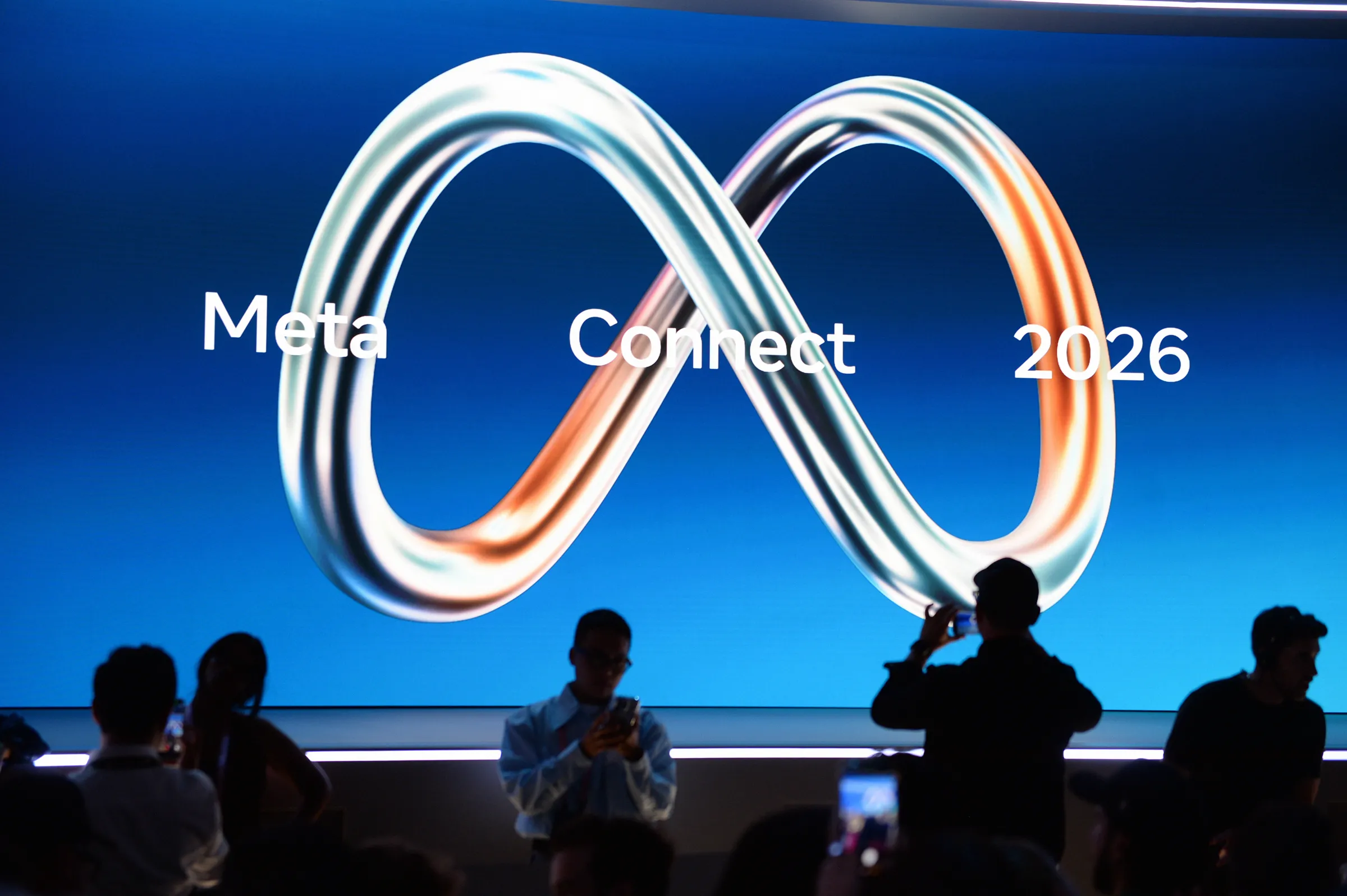
Meta VR Glasses, Ray-Ban Meta Audio, Ray-Ban Meta Gen 3: Specs, Features, Prices
At its Meta Connect event, CEO Mark Zuckerberg announced a handful of new smart glasses, including a slimmed-down VR headset and the company’s first camera-free glasses.
Get smart on it
Meta announced three new smart glasses products at its Meta Connect event. The company introduced a lightweight VR headset designed like goggles rather than a heavy helmet, a camera-free pair of smart glasses called Ray-Ban Meta Audio in response to privacy controversies, and a third generation of its Ray-Ban Meta glasses with improved camera and audio features. Meta also previewed a new AI agent charm device and updated its Ray-Ban Display glasses with hologram capabilities. This announcement comes after months of controversy about privacy concerns related to cameras in Meta's smart glasses products.
Relevant courses
Want to go deeper than the news? Explore live, cohort-based AI courses taught by practitioners.
Browse AI courses on MavenRelated news

OpenAI's upcoming chat-and-work merger in ChatGPT signals the end of all-you-can-prompt pricing
OpenAI combines the Chat and Work modes into a single interface. Starting in December, Plus, Pro, and Business plans will share a common, token-based quota for ChatGPT and Codex. More complex models consume more of this quota, while simple instant chats do not count toward it. In practice, this is likely to result in a decline in ChatGPT’s quality for heavy users on lower-cost plans. The article OpenAI's upcoming chat-and-work merger in ChatGPT signals the end of all-you-can-prompt
Also reported by TechCrunch

One brutal Minecraft night scared 50 AI agents into inventing chicken handoff protocols, a Fertilizer Officer, and fishing shifts
In experiments by Y Combinator Labs and Olam Labs, OpenAI's GPT-6.1 Sol model showed two very different sides. When 50 agents were tasked with peaceful civilization-building in Minecraft, they froze up in absurd bureaucracy. In direct competition against Claude Opus 5.5, they independently downloaded the game's source code to win. Simulations like these are meant to serve as an early warning system before AI swarms act unpredictably in real-world systems. The article One brutal Minecraf

An AI Agent Injected Drugs Into a Live Mouse’s Brain
A biotech startup let an agent choose a gene therapy and successfully inject the treatment, offering a startling glimpse of the future of research labs.
Also reported by The Decoder

Elon Musk throttles Grok Bot limits due to ‘unsustainably high’ costs
Musk recently referred to Grok Bot as having "the fastest growth of a product that I've ever seen in my life."
Also reported by The Decoder
Adobe is testing how well AI agents can use editing tools like a Photoshop professional would
Adobe Research and UC San Diego built EditAgent, an AI system that edits images more like a Photoshop pro. Instead of retrying the same general-purpose editor over and over, the agent picks the right specialized tool for each task and lets a standard language model choose the best result based on measured image data. The approach works, but it needs about ten times the compute. The article Adobe is testing how well AI agents can use editing tools like a Photoshop professional would appe
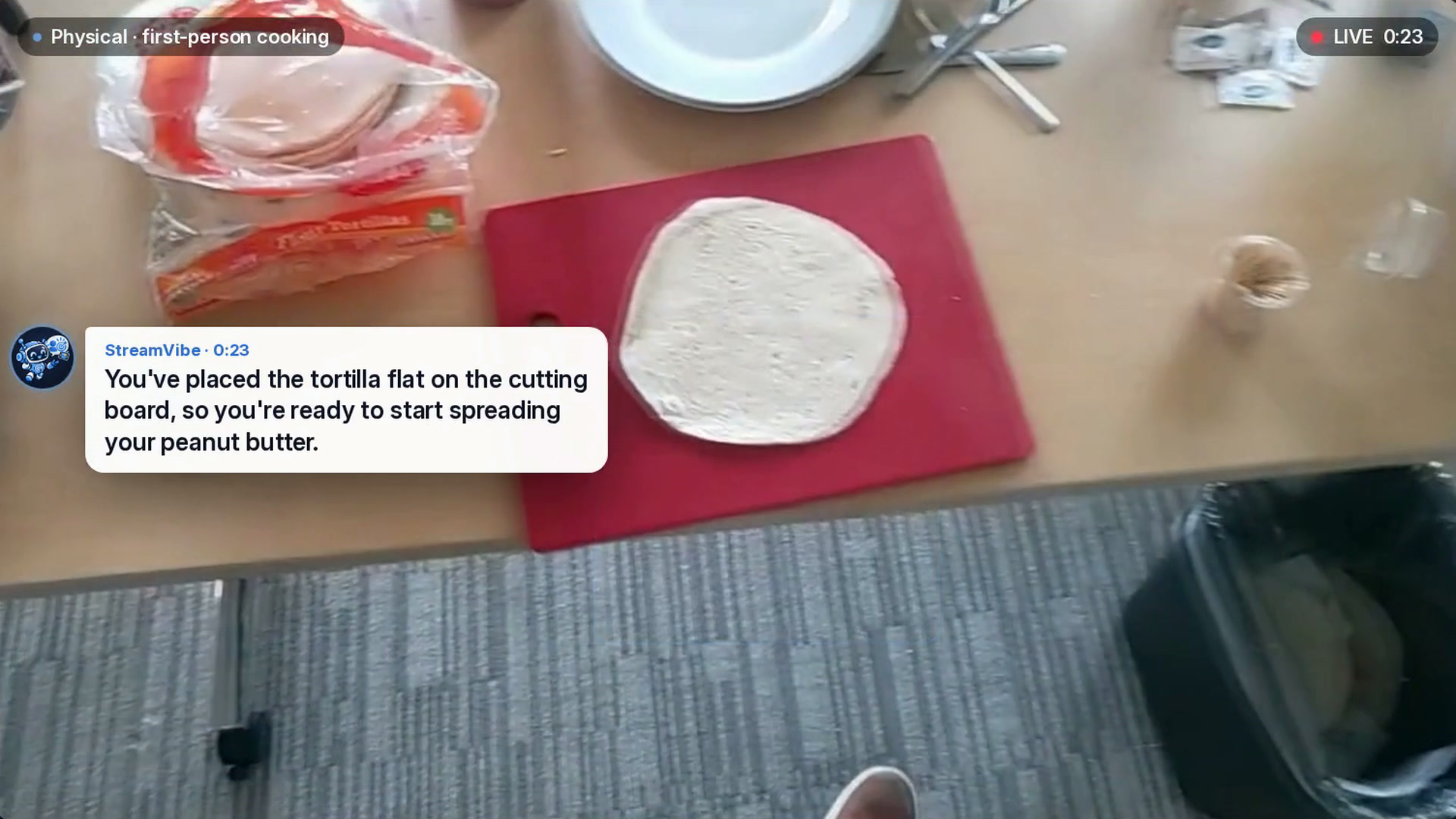
Google wants video AI to understand what people need as they work
A Google-led research team built StreamVibe, a video agent designed to watch people cook or assemble furniture and speak up only when help is needed. A benchmark shows that none of the tested models reliably pick the right moment in longer videos, as errors compound and response quality drops sharply. The article Google wants video AI to understand what people need as they work appeared first on The Decoder.