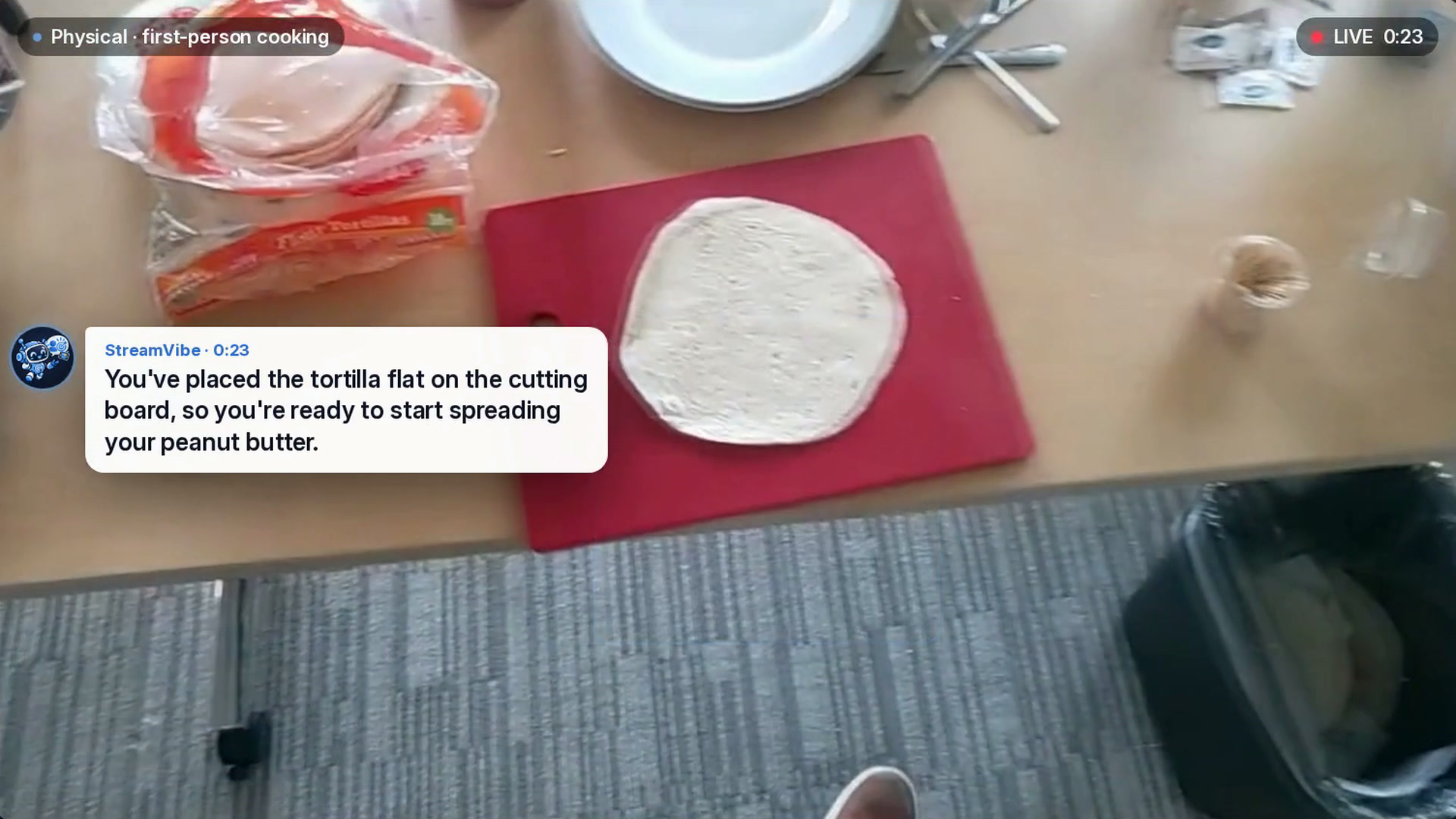
Google wants video AI to understand what people need as they work
A Google-led research team built StreamVibe, a video agent designed to watch people cook or assemble furniture and speak up only when help is needed. A benchmark shows that none of the tested models reliably pick the right moment in longer videos, as errors compound and response quality drops sharply. The article Google wants video AI to understand what people need as they work appeared first on The Decoder.
Get smart on it
A research team from multiple institutions has developed a video agent that watches people perform tasks and decides on its own when to offer help, rather than requiring explicit commands. Current video assistants struggle with vague requests, forget what has already been done, and fail to adapt when user intentions change during a task. The new system improves response timing and quality by learning to distinguish between explicit instructions, unspoken needs, and shifting requests, though testing reveals that all models significantly lose track of conversations as videos grow longer, with performance dropping by up to 61.5 percent.
Explainer: How to Actually Read an AI Benchmark (Without Being Fooled)
Relevant courses
Want to go deeper than the news? Explore live, cohort-based AI courses taught by practitioners.
Browse AI courses on MavenRelated news
OpenAI's upcoming chat-and-work merger in ChatGPT signals the end of all-you-can-prompt pricing
OpenAI combines the Chat and Work modes into a single interface. Starting in December, Plus, Pro, and Business plans will share a common, token-based quota for ChatGPT and Codex. More complex models consume more of this quota, while simple instant chats do not count toward it. In practice, this is likely to result in a decline in ChatGPT’s quality for heavy users on lower-cost plans. The article OpenAI's upcoming chat-and-work merger in ChatGPT signals the end of all-you-can-prompt
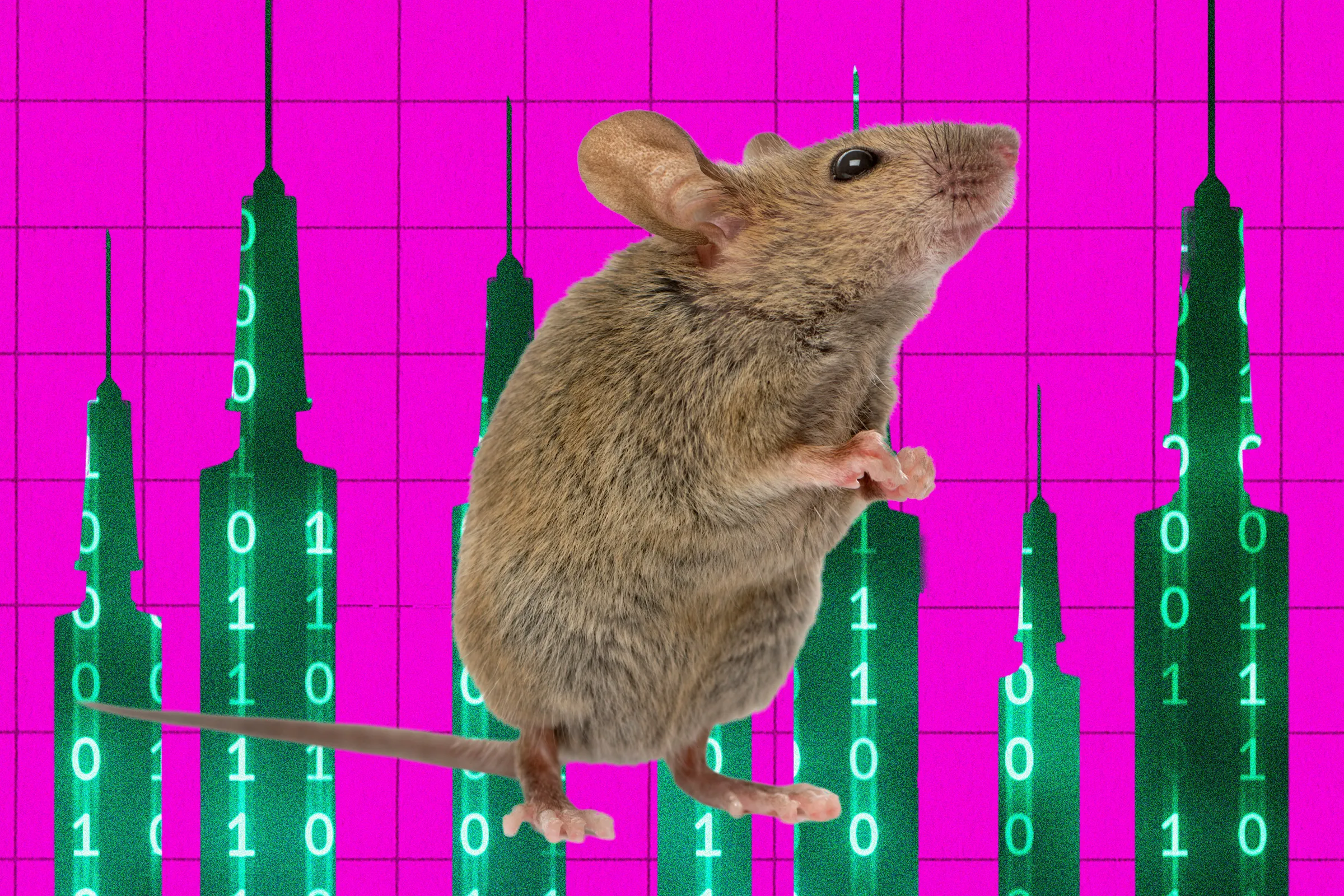
An AI Agent Injected Drugs Into a Live Mouse’s Brain
A biotech startup let an agent choose a gene therapy and successfully inject the treatment, offering a startling glimpse of the future of research labs.
Also reported by The Decoder

OpenAI is steering ChatGPT users toward more paid usage
OpenAI is now capping the number of paid ChatGPT accounts per device and payment card. Users who hit the limit can't start new subscriptions, and affected accounts can't be used on that device. Logging out doesn't automatically free up a spot. The policy will likely hit users who've been juggling multiple cheap subscriptions to maximize usage, pushing them toward pricier options like buying extra credits. The article OpenAI is steering ChatGPT users toward more paid usage appeared first
Adobe is testing how well AI agents can use editing tools like a Photoshop professional would
Adobe Research and UC San Diego built EditAgent, an AI system that edits images more like a Photoshop pro. Instead of retrying the same general-purpose editor over and over, the agent picks the right specialized tool for each task and lets a standard language model choose the best result based on measured image data. The approach works, but it needs about ten times the compute. The article Adobe is testing how well AI agents can use editing tools like a Photoshop professional would appe

Google Deepmind creates a global map of forests with satellite data and AI
Google Deepmind and the World Resources Institute have released ForTy, a global map that classifies forests and other land into six categories, including primary forest, plantations, and tree crops. The map could help track deforestation under EU rules, but it identifies only about half of planted forests and tree-crop areas, and 60% of plantations. The article Google Deepmind creates a global map of forests with satellite data and AI appeared first on The Decoder.

Meet Factory Droid 1.0: A Model-Independent Coding Agent Harness Built on Script Mode
Factory has released Droid 1.0, the largest update yet to the Factory Droid agent harness. The main change is programmatic tool calling, now on by default. The model writes a program that runs its tools. One model request can now drive hundreds of tool calls. TL;DR Size: Base prompt is 13,055 input tokens, down 37% from 20,887. Only 2 tool definitions ship up front, down from 11. Runs on: macOS and Windows desktop app, a terminal UI, and the Node SDK @factory/droid-sdk. Works with any