Meta’s Muse AI Assistant Rolled Out With a Serious Security Flaw
Meta says it issued a fix for the Muse zero-day vulnerability that would have let attackers do “whatever” they wanted on a victim’s Mac, highlighting the inherent dangers of AI helpers.
Get smart on it
Meta's new AI assistant was released with a serious security vulnerability that would have allowed attackers to gain complete control over a user's account and device. The flaw worked because the assistant was designed to let any locally installed app or terminal command access sensitive settings, including one that controls where voice data is processed, which an attacker could redirect to their own server to steal authentication credentials. This matters because the assistant has broad access to user accounts, files, cameras, and personal data across multiple services, making such vulnerabilities particularly dangerous. Meta released a fix about 12 hours after the vulnerability was disclosed, and the incident raises questions about whether the company prioritized security in the design process, particularly given the extraordinary access the assistant requires.
Related news

Meta is making a standalone Muse AI gadget
Meta is building a dedicated hardware device for its new Muse AI agent. The product, called Muse Charm, was briefly shown off by Meta CEO Mark Zuckerberg at the end of tonight's Meta Connect presentation. It looks almost like a chunky smartwatch without the strap - just a big screen, plus a little lanyard for carrying the device around. The Muse Charm has a fingerprint sensor on the top right corner that you can press to activate and begin speaking to the agent. There appears t

Everything new coming to Meta’s AI agent Muse
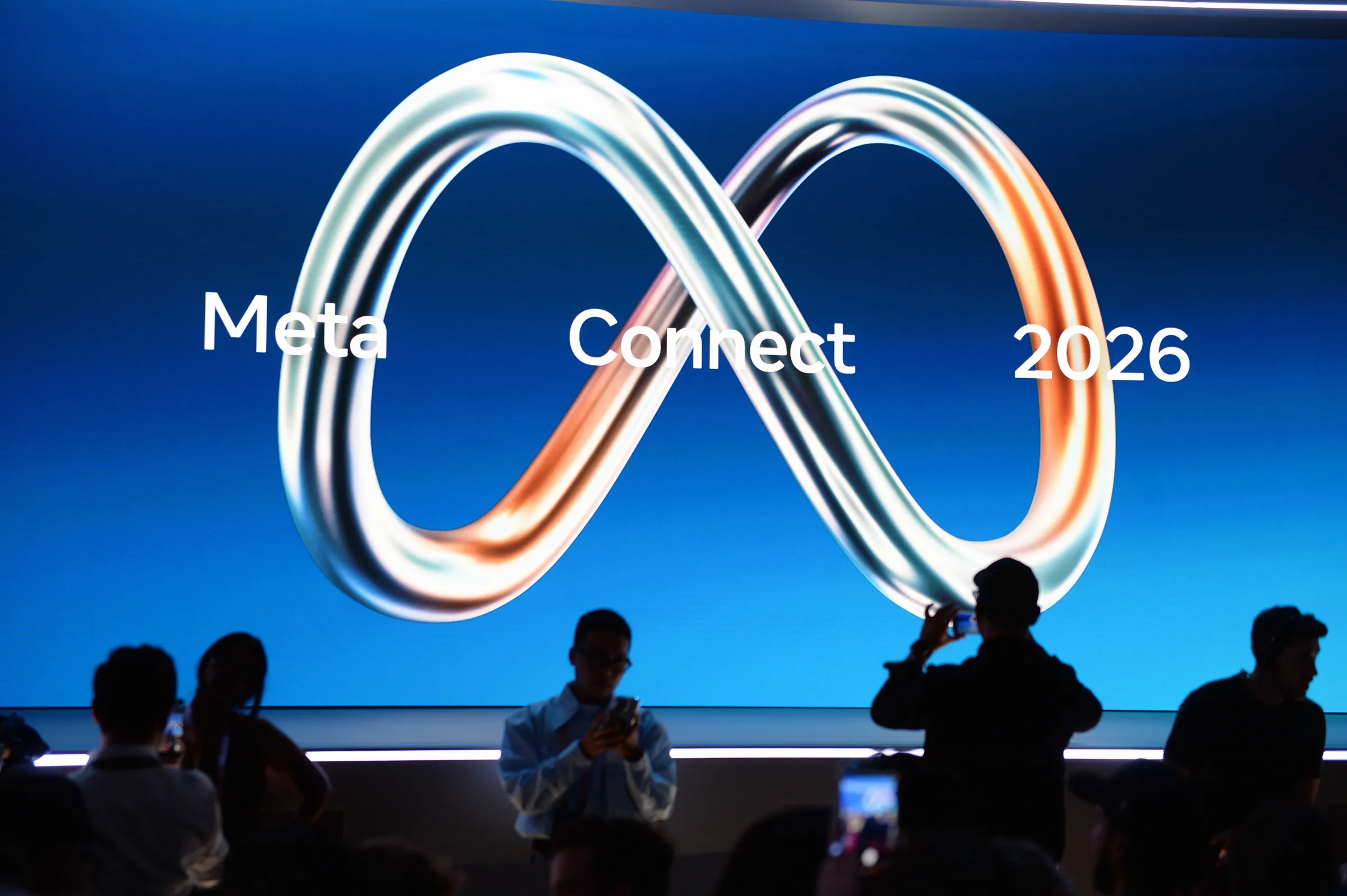
CEO Mark Zuckerberg kicked off the company’s annual Connect event in Menlo Park on Wednesday with a keynote that made one thing clear: Meta is going all-in on Muse. It's even coming to Meta's AI glasses.