Meta puts its AI assistant on a keychain
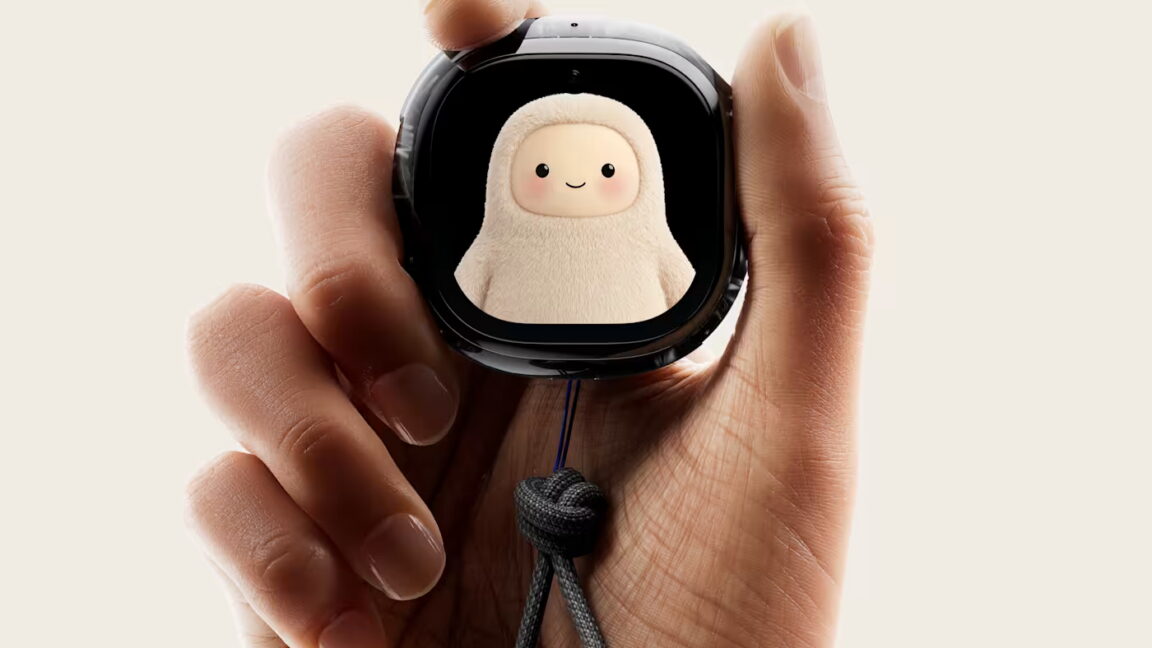
Mark Zuckerberg said Meta’s new personal AI agent Muse has become the “centerpiece” of his AI vision, as he unveiled a new handheld AI “charm” device that will feature the interactive assistant. The Meta chief used the company’s annual Connect event at its Silicon Valley headquarters to announce Muse Charm, a small pendant-like device that fits on a keychain and is activated by a fingerprint sensor. The device, which features a screen showing the Muse avatar, will also have real-time voice inter
Get smart on it
Meta has released a keychain-sized device called Muse Charm that provides portable access to its Muse AI assistant through a fingerprint sensor, screen display, and voice interaction capabilities. The device represents Meta's effort to make its AI assistant available across multiple form factors, following the recent launch of the Muse app which became the most downloaded app on major app stores in the US within two weeks. The release comes as Meta has faced criticism over its AI strategy and substantial spending on AI infrastructure, though the company's stock performance has improved since the Muse app launch. Privacy and security concerns remain central to whether Muse can succeed at scale, particularly as Meta seeks to connect the assistant to personal user data like email and financial services while previous vulnerabilities in the system have already required fixes.
Related news
DeepSeek Harness v0.2 Brings Official Desktop Apps to Its Open-Source Agent Harness
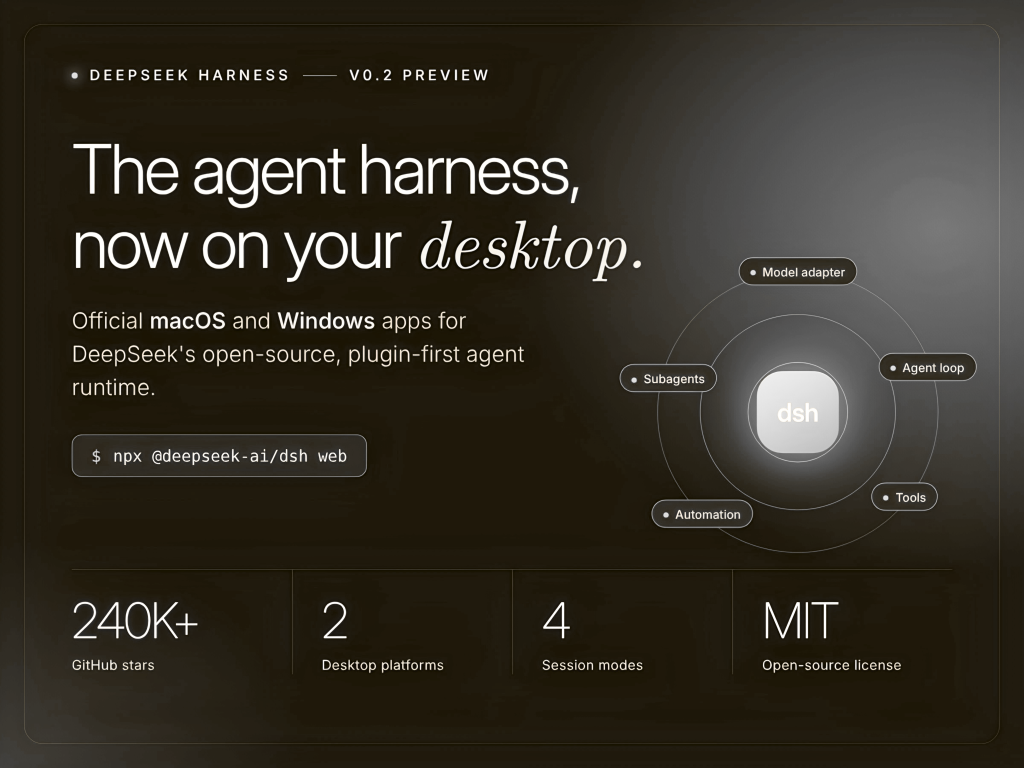
DeepSeek has released an official desktop app for DeepSeek Harness (dsh), its open-source agent harness. The app ships with the v0.2 preview. Installers cover macOS (Apple silicon) and Windows (64-bit). Is it deployable? Yes, today, as a preview. Download it from deepseek.com/harness or run npx @deepseek-ai/dsh web. DeepSeek warns that compatibility-breaking changes will follow. What Shipped in v0.2 A harness is the runtime that turns a model into an agent. It reads files, runs command
The Agent Said It Was Done. The Database Disagreed.
When AI systems claim task completion without verification, downstream errors can cascade through dependent processes, exposing gaps in reliability for critical workflows.