
Anthropic CEO commits to pacing AI development
TechCrunch: At Nasdaq opening bell, Anthropic CEO recommits to pacing AI development
In his Nasdaq opening bell speech, Dario Amodei reiterated Anthropic's commitment to pacing AI development, regardless of business or political pressure.
An AI company's CEO made a public commitment to developing artificial intelligence responsibly during his company's stock market debut, pledging that the technology would remain under human control and that development would be paced according to safety needs rather than business or political pressure. The CEO emphasized that while AI poses real risks including misuse by bad actors and potential loss of control, these risks are avoidable through proper safeguards, alignment research, and testing. This matters because it reflects how a major AI developer plans to balance the technology's potential benefits in fields like medicine and science with concerns about safety as the systems become more powerful. The commitment was previously outlined in September when the CEO proposed coordinating with other leading AI companies on safety standards and embedding third-party evaluators to verify safety practices.
- Copilot is "the new OS for work," and now Office runs inside of it · Ars Technica
- Google Built a Giant ‘Mirror Dimension’ Internet to Test Its Chrome AI Agents · Wired AI
- India’s Humyn Labs raises $47M to feed U.S. robotics companies the data they need · TechCrunch
- All of today’s AI news, biggest first →
One short email a day with the stories that matter. Free. Unsubscribe with one click.
Want to go deeper than the news? Explore live, cohort-based AI courses taught by practitioners.
Browse AI courses on Maven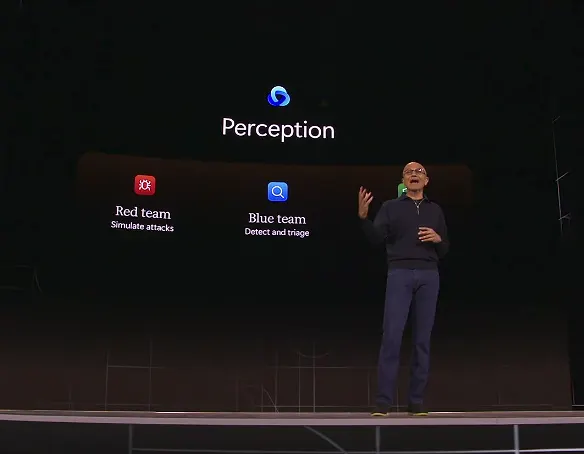
Copilot is "the new OS for work," and now Office runs inside of it
Opening the keynote at its Ignite event, Microsoft CEO Satya Nadella outlined the company's vision for its new "frontier ecosystem," announcing Tuesday the general availability of Word, Excel, and PowerPoint inside Copilot, which he described as "the new OS for work." The announcement is a striking inversion of how we've traditionally used software. Rather than an app like Word being the attraction and Clippy the assistant to help you use it, Microsoft envisions the new Copilot integration
Also reported by SiliconANGLE

Google Built a Giant ‘Mirror Dimension’ Internet to Test Its Chrome AI Agents
The company’s alternate-universe internet serves as a massive sandbox that allows the Chrome team to properly train AI browsing agents—without the risk of them going rogue.

India’s Humyn Labs raises $47M to feed U.S. robotics companies the data they need
Founded in February, Humyn Labs competes with startups including Mecka AI and XDOF, with about 90% of its revenue coming from the U.S.
Also reported by SiliconANGLE and The Robot Report

Enterprises fear AI success more than failure, because success means lock-in they can’t escape
The supercomputing world built its reputation on scientific simulation, but the artificial intelligence infrastructure now filling the same data centers raises a harder question. When models turn data into revenue, control over that data and the intelligence it produces becomes a board-level concern few companies discuss publicly. A new buyer’s guide sets out to measure […] The post Enterprises fear AI success more than failure, because success means lock-in they can’t escape a

Google Cloud brings AI agents to the supercomputing bottleneck
High-performance computing, or HPC, is merging with artificial intelligence faster than many research teams can adapt. Compute capacity is hard to get, and workloads now run across clouds and on-premises clusters. The metric that matters is shifting from peak performance to time to discovery. That shift is on full display as supercomputing and AI converge […] The post Google Cloud brings AI agents to the supercomputing bottleneck appeared first on SiliconANGLE.

Microsoft CEO Satya Nadella explains why he asked 60K employees to quit
Microsoft CEO Satya Nadella explained why he offered buyouts to 60,000 of his employees in October, essentially urging them to voluntarily quit, rather than reducing the workforce via another massive layoff. The short answer is AI, but not in the way you might expect.