Google’s deepfake detector system used to debunk McConnell hoax pic
Earlier this week, a picture that seemed to show Kentucky Senator Mitch McConnell covered in tubes in a hospital bed in a state of extreme distress. It turned out to be an AI-generated fake.
Get smart on it
Google's SynthID system, an invisible watermark designed to identify AI-generated images, successfully detected a fabricated hospital image that circulated online and was later debunked by a fact-checking site. The watermark is embedded into images during generation and remains detectable even after being shared across multiple platforms through screenshots. SynthID only works with image-generation tools that participate in the program, currently including certain AI models but notably excluding some major providers. This case represents a practical demonstration of anti-deepfake technology functioning as intended to combat the spread of false AI-generated imagery.
Related news
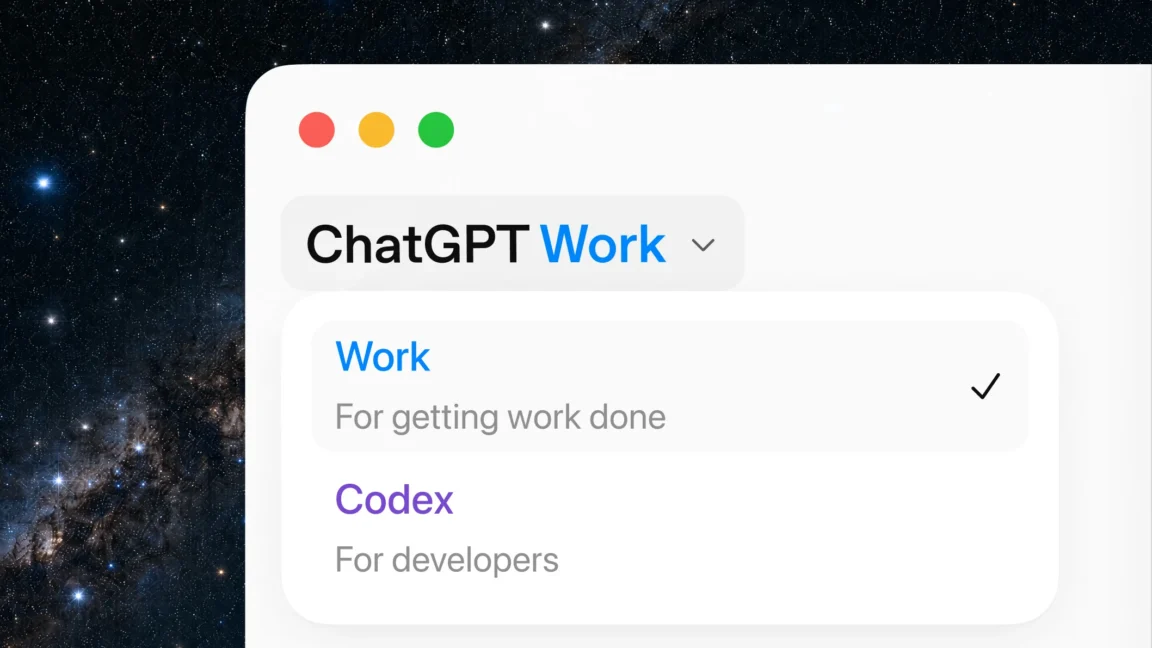
OpenAI wants its new tool to do your work for you and with you
Last year, when we tested out the "Agent Mode" in OpenAI's Atlas web browser, we complained that any automated tasks tended to stop after a few minutes, limiting its usefulness for ongoing or complex tasks. With today's release of ChatGPT Work, OpenAI says it has solved that problem with a new tool that can "stay with a project for hours if needed, and turn a goal into finished work." The company is challenging users to evaluate ChatGPT Work by "giv[ing] it a task you already know well," such as

An AI agent startup just let its agent run its $100M fundraise
Lyzr, a startup that builds AI agents for enterprises, used its own AI agent to raise a $100 million round — proof, evidently, that the product actually works.