FL Studio 2026 turns its AI chatbot into your assistant engineer
Gopher can’t play the piano for you, but it can bury it in the mix. | Image: Image Line Last year, Image Line introduced Gopher for FL Studio, an AI chatbot that was basically a glorified instruction manual. You asked it how to do something, and it would serve up the relevant instructions. It's the kind of thing I actually use AI for on a semi-regular basis. But in the new release, Gopher can actually execute actions on your behalf. I was able to ask Gopher to lay down a four-on
Get smart on it
FL Studio's AI assistant, Gopher, has expanded from being a basic interactive manual into a tool that can execute music production tasks directly. Previously, users could only ask it questions and receive instructions, but now Gopher can perform actions like laying down drum patterns and adding effects to audio tracks on command. The chatbot has limitations, including an inability to create automation, insert melodic notes, or select specific sound presets within plugins. Image Line states it does not train its AI on user session data, keeping recordings private.
Related news
OpenAI wants its new tool to do your work for you and with you
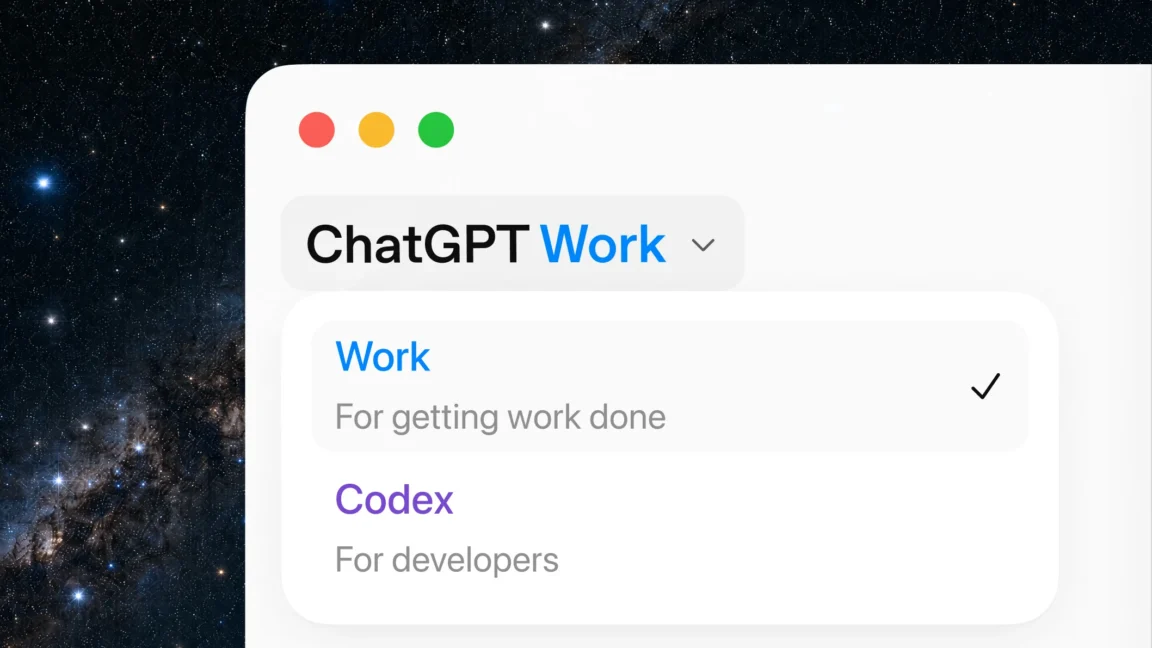
Last year, when we tested out the "Agent Mode" in OpenAI's Atlas web browser, we complained that any automated tasks tended to stop after a few minutes, limiting its usefulness for ongoing or complex tasks. With today's release of ChatGPT Work, OpenAI says it has solved that problem with a new tool that can "stay with a project for hours if needed, and turn a goal into finished work." The company is challenging users to evaluate ChatGPT Work by "giv[ing] it a task you already know well," such as

An AI agent startup just let its agent run its $100M fundraise
Lyzr, a startup that builds AI agents for enterprises, used its own AI agent to raise a $100 million round — proof, evidently, that the product actually works.