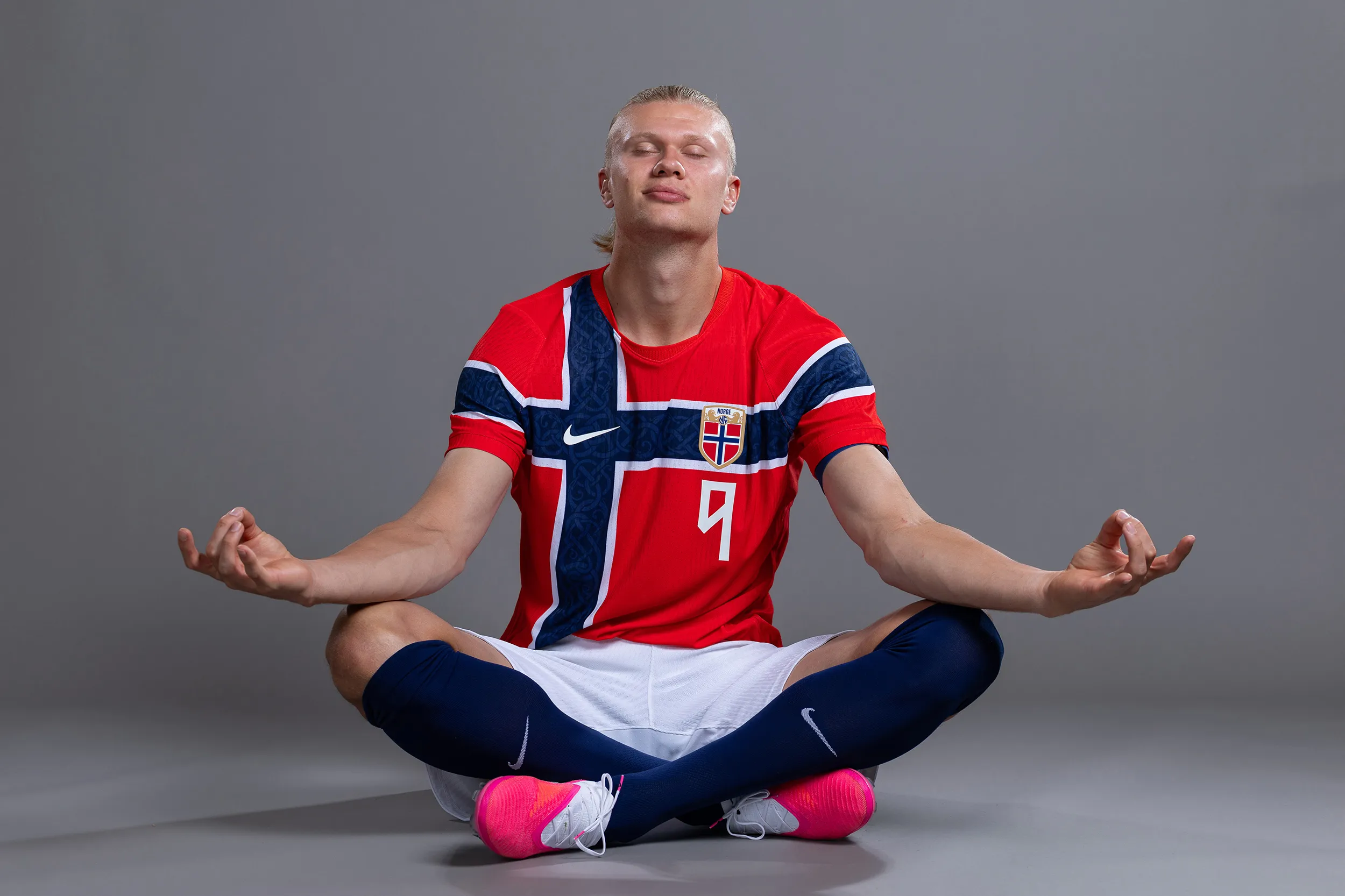
Erling Haaland Is Everywhere at the World Cup. Most of It Is AI
Norwegian striker Erling Haaland isn’t just a footballer anymore. He’s become an internet character perpetuated by fans and AI.
Get smart on it
A viral video circulating during the World Cup showed a footballer in a restaurant glancing at his reflection, but fact checkers traced the footage to a Chinese comedian's skit rather than the athlete himself. The clip accumulated millions of views despite being identified as AI-generated, demonstrating how fabricated content can spread and be embraced if it aligns with how fans perceive a public figure's character. This reflects a shift in how sports fandom operates online, where athletes are treated as evolving fictional characters with recognizable traits and storylines, and fans actively create and share fan-made content including AI-generated material to fill gaps in the official narrative. The new celebrity economy depends less on access to the actual person and more on audiences' willingness to perpetuate and believe in the character that has been collectively constructed around them.
Related news
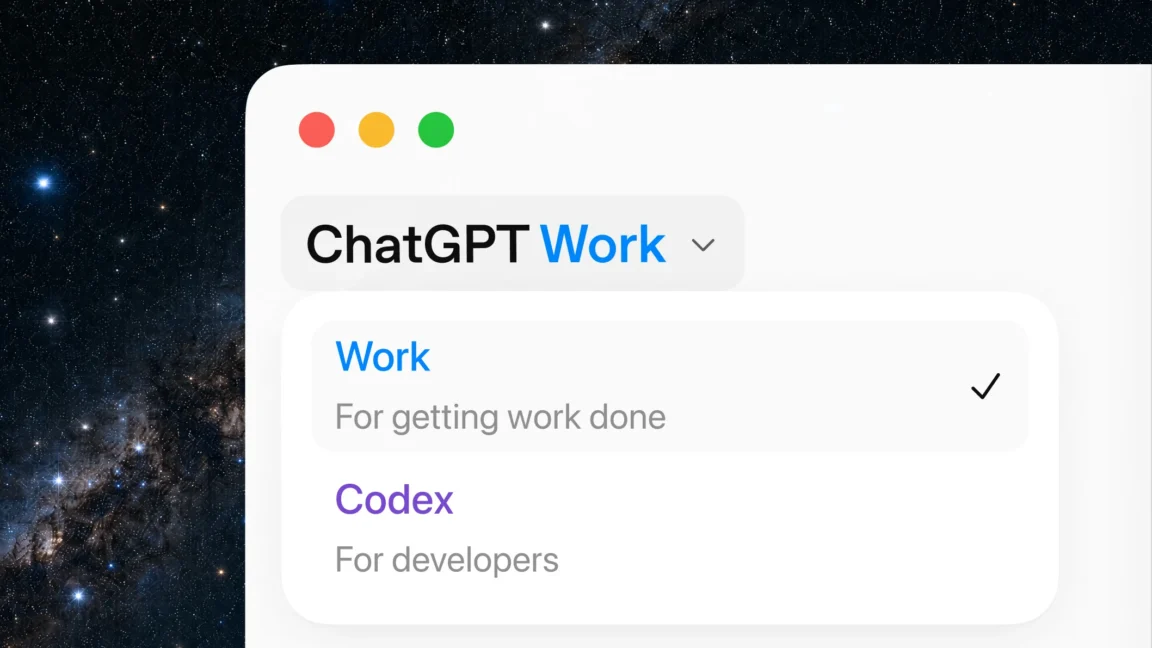
OpenAI wants its new tool to do your work for you and with you
Last year, when we tested out the "Agent Mode" in OpenAI's Atlas web browser, we complained that any automated tasks tended to stop after a few minutes, limiting its usefulness for ongoing or complex tasks. With today's release of ChatGPT Work, OpenAI says it has solved that problem with a new tool that can "stay with a project for hours if needed, and turn a goal into finished work." The company is challenging users to evaluate ChatGPT Work by "giv[ing] it a task you already know well," such as

An AI agent startup just let its agent run its $100M fundraise
Lyzr, a startup that builds AI agents for enterprises, used its own AI agent to raise a $100 million round — proof, evidently, that the product actually works.