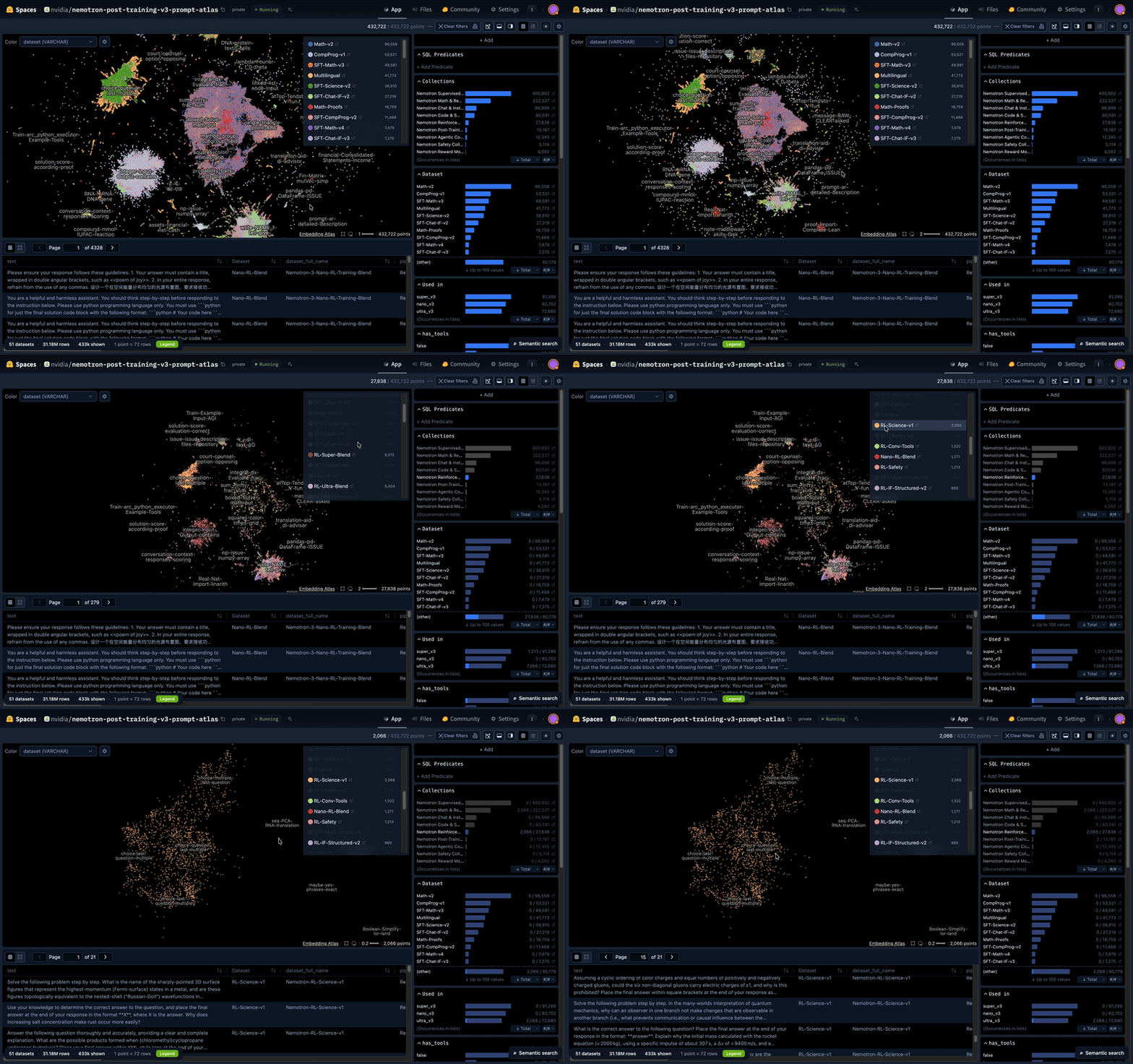
Data for Agents
High-quality training data has become a critical bottleneck for building autonomous AI systems that can reliably execute complex tasks.
Get smart on it
Building AI agents requires more than just model weights, it also requires diverse datasets that capture real-world complexity like tool failures, multi-step reasoning, and workflow execution. Synthetic data plays a key role in scaling agent development by allowing organizations to share useful signals without exposing proprietary information or sensitive details. Open datasets enable reproducibility and make agent behavior inspectable so developers can understand what shaped model decisions. The field still relies on careful curation, documentation of what was generated versus grounded in reality, and human judgment rather than formulas.
Related news
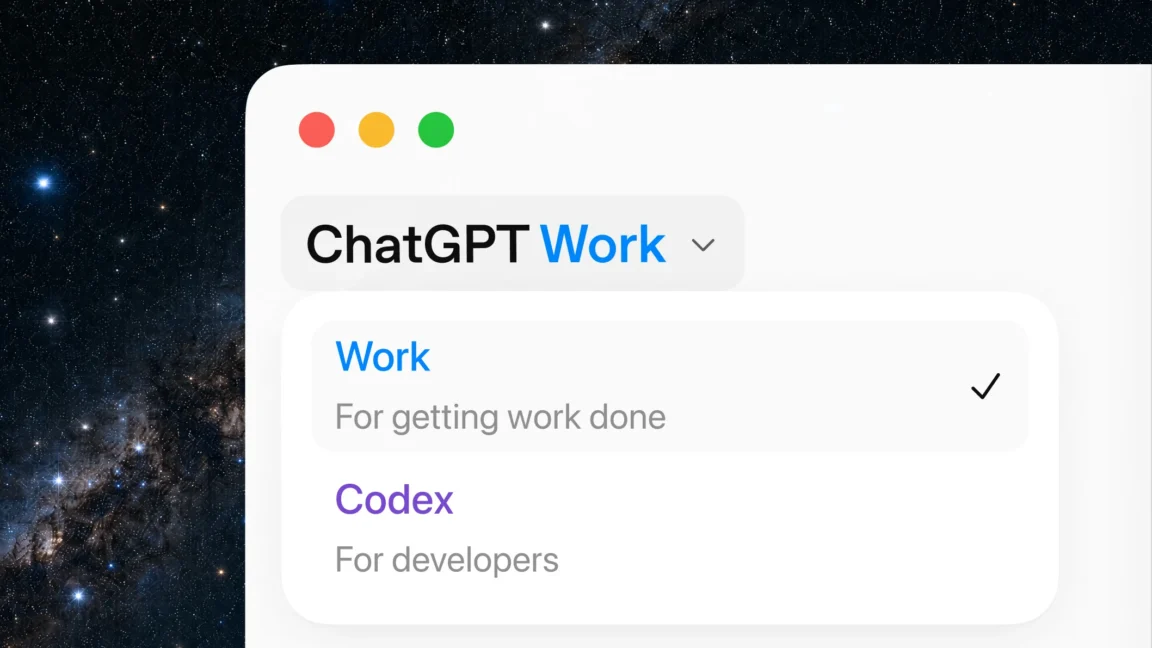
OpenAI wants its new tool to do your work for you and with you
Last year, when we tested out the "Agent Mode" in OpenAI's Atlas web browser, we complained that any automated tasks tended to stop after a few minutes, limiting its usefulness for ongoing or complex tasks. With today's release of ChatGPT Work, OpenAI says it has solved that problem with a new tool that can "stay with a project for hours if needed, and turn a goal into finished work." The company is challenging users to evaluate ChatGPT Work by "giv[ing] it a task you already know well," such as

An AI agent startup just let its agent run its $100M fundraise
Lyzr, a startup that builds AI agents for enterprises, used its own AI agent to raise a $100 million round — proof, evidently, that the product actually works.