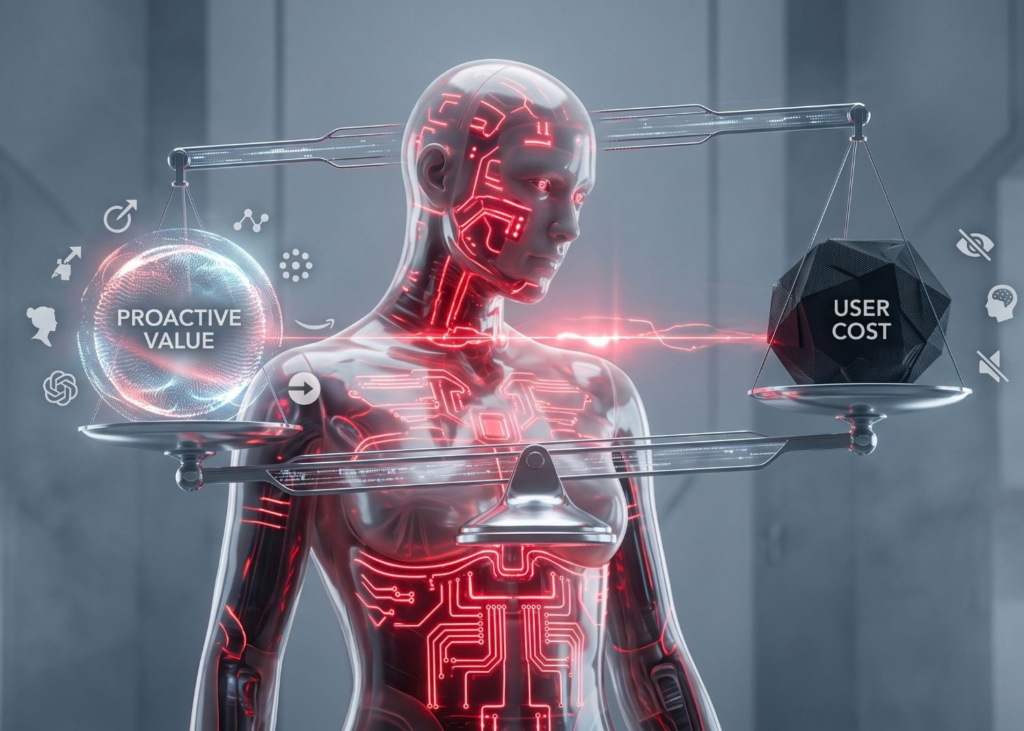
Can Muse overcome Meta’s trust issues?
On Equity, we discussed how Meta's AI announcement managed to steal the spotlight from OpenAI and Anthropic.
Get smart on it
Meta has launched a new consumer-focused AI agent called Muse, which the company showcased at its annual event as part of a broader push to embed AI features into everyday life. While other major AI companies like OpenAI and Anthropic are focusing on enterprise and coding tools, Meta is taking a different approach by targeting consumers with features like finding unclaimed funds and managing subscriptions. The key challenge for Muse's adoption is whether users will trust Meta with sensitive financial information, given that the company's business model is built on selling advertisements and collecting user data.
Related news
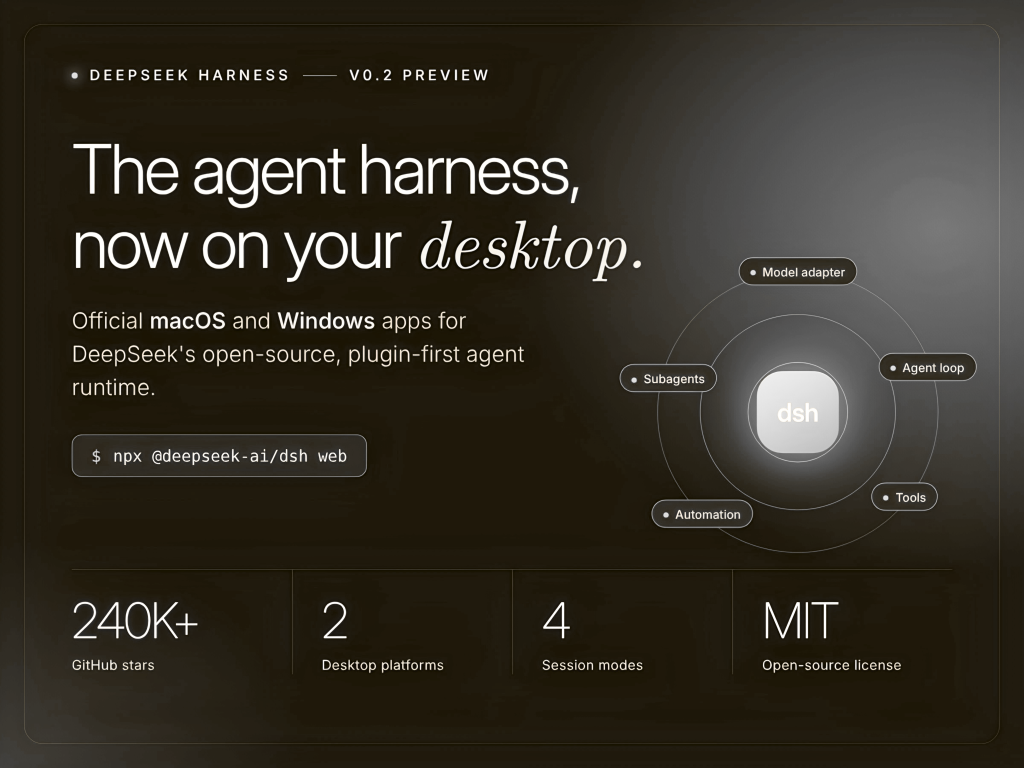
DeepSeek Harness v0.2 Brings Official Desktop Apps to Its Open-Source Agent Harness
DeepSeek has released an official desktop app for DeepSeek Harness (dsh), its open-source agent harness. The app ships with the v0.2 preview. Installers cover macOS (Apple silicon) and Windows (64-bit). Is it deployable? Yes, today, as a preview. Download it from deepseek.com/harness or run npx @deepseek-ai/dsh web. DeepSeek warns that compatibility-breaking changes will follow. What Shipped in v0.2 A harness is the runtime that turns a model into an agent. It reads files, runs command

The Agent Said It Was Done. The Database Disagreed.
When AI systems claim task completion without verification, downstream errors can cascade through dependent processes, exposing gaps in reliability for critical workflows.