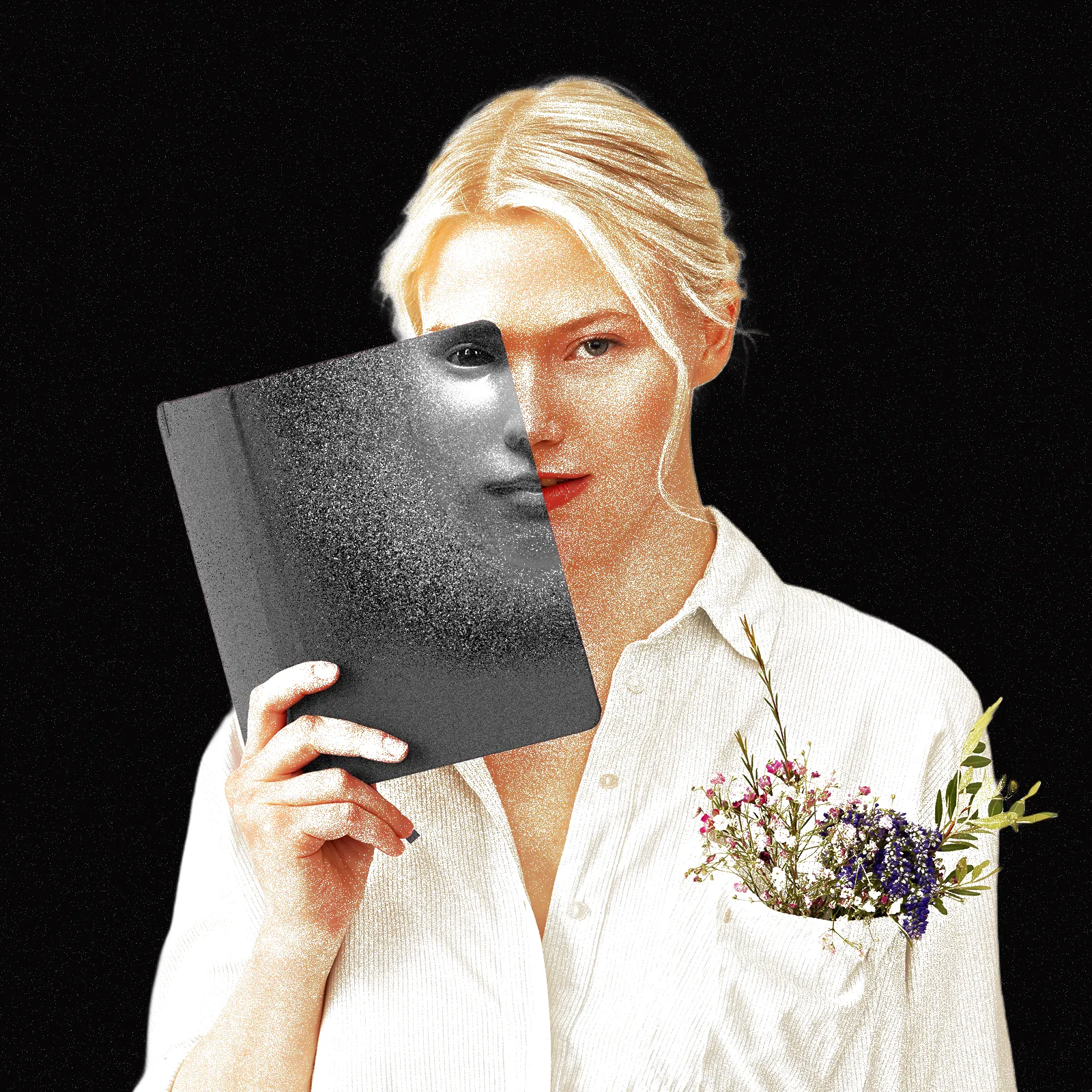
Book Publishers Are Quietly Using More AI. Staff Are Revolting
Workers at three major publishing houses tell WIRED that LLMs are being used for publicity, cover art, back cover copy, and emails, as some execs push junior staff to champion the tech.
Get smart on it
Major book publishers have been quietly using AI language models for tasks like writing publicity copy, designing cover art, and drafting emails to literary agents, even as they have publicly fought against generative AI in other contexts. Workers at three of the Big Five publishers report that executives have pushed staff to adopt these tools and find new uses for them, while also dismissing employee concerns about legal, ethical, and environmental impacts. The practice matters because publishers are applying AI to content and communications without public disclosure or author consent, and there are concerns that unpublished manuscript text could be fed into AI systems that share data with external servers. This tension between publishers' public stance against AI and their behind-the-scenes adoption of the technology has prompted employee backlash and raised questions about whether AI-generated rejection letters and marketing materials harm relationships with authors, agents, and readers.
Related news
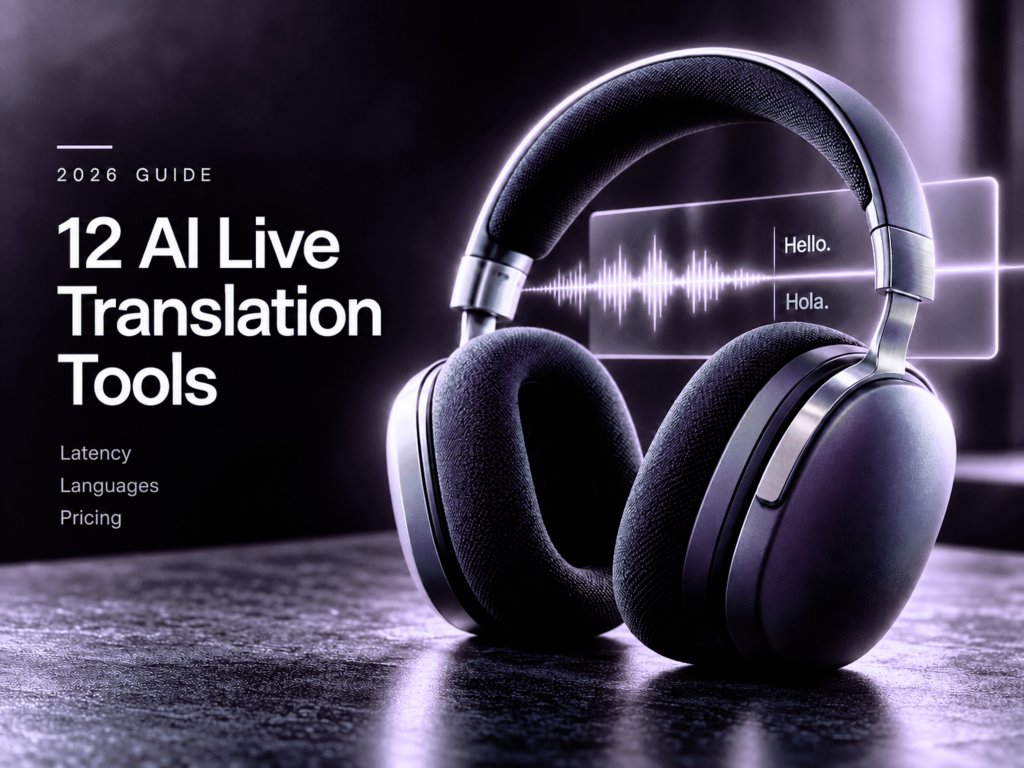
Top 12 AI Live Translation Tools in 2026: Latency, Languages, Pricing
AI live translation tools turn speech into translated captions or speech while people are still talking. The market now spans consumer apps, meeting add-ons, event platforms and developer APIs. We checked 12 tools against official product, pricing and documentation pages. What is an AI live translation tool? It listens, transcribes, translates and outputs captions or synthetic speech in near real time. Most products chain speech recognition, machine translation and text-to-speech. Caption

These execs think voice AI hasn’t reached its ChatGPT moment yet
Voice AI's often misses important points for its context layer, and causes the whole pipeline to break
.png&s=WknqhatiBi8hUoF6dT3zNeCQjQPDrossGxsmEukneJg)