Anthropic’s new Claude feature is quietly selling you on AI
Claude’s new Reflect dashboard doesn’t just visualize how you use AI. It also subtly reinforces how much of your daily work now depends on Anthropic’s chatbot.
Get smart on it
Anthropic introduced a new dashboard feature that tracks how users interact with Claude and visualizes their AI usage patterns, including topics discussed and task types. While presented as an analytics tool, the feature is designed to reshape how users perceive AI by making Claude appear as an integrated part of daily workflow and productivity. The feature also prompts users to reflect on their AI habits and suggests ways to use Claude more deeply, which helps retain users and discourages switching to competitors. This approach mirrors past techniques like Google's email analytics tool, which used data visualization to demonstrate how central a service had become to users' lives.
Related news
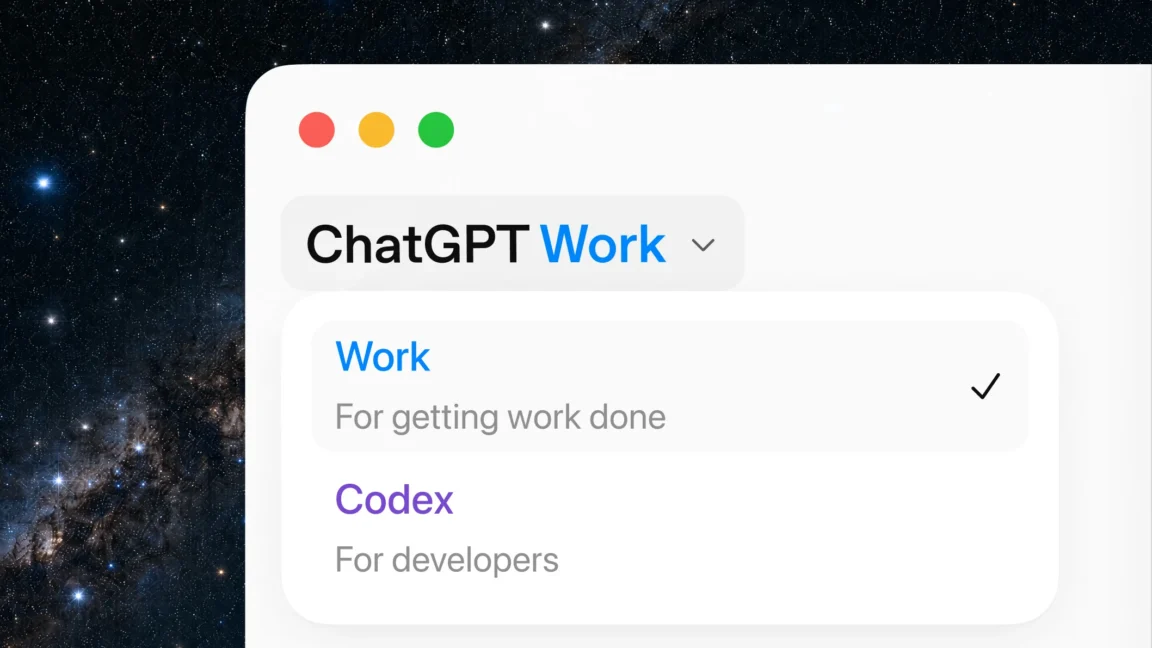
OpenAI wants its new tool to do your work for you and with you
Last year, when we tested out the "Agent Mode" in OpenAI's Atlas web browser, we complained that any automated tasks tended to stop after a few minutes, limiting its usefulness for ongoing or complex tasks. With today's release of ChatGPT Work, OpenAI says it has solved that problem with a new tool that can "stay with a project for hours if needed, and turn a goal into finished work." The company is challenging users to evaluate ChatGPT Work by "giv[ing] it a task you already know well," such as

An AI agent startup just let its agent run its $100M fundraise
Lyzr, a startup that builds AI agents for enterprises, used its own AI agent to raise a $100 million round — proof, evidently, that the product actually works.