Why physical AI 2.0 needs a reality check
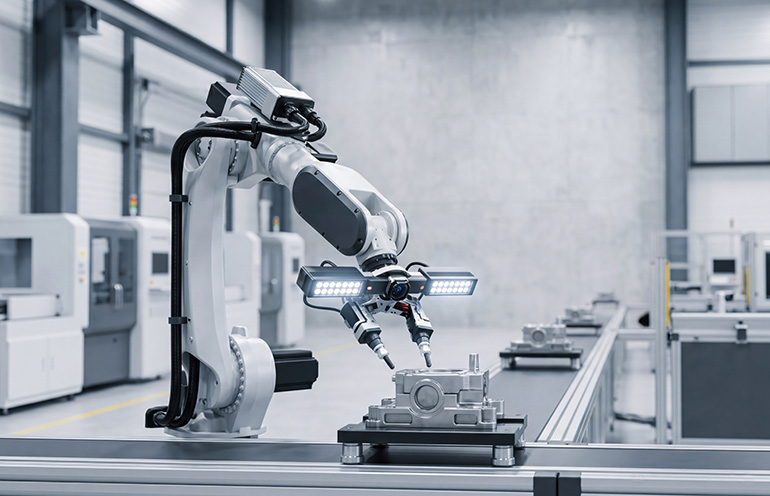
Physical AI needs more than data to enable robots to be more effective. Source: Erika AI, via Adobe Stock The world of artificial intelligence is moving from chatbots to vision processing—AI that lives in robots and self-driving cars. While we have made major strides in training these systems using massive datasets and digital simulations, a critical gap remains: the bridge between what a robot “sees” and what is actually happening in our messy, physical world. High-level reasoning i
Get smart on it
AI systems controlling robots and self-driving cars are moving beyond just processing visual information to a new phase called "physical AI 2.0" that prioritizes understanding the actual physical state of their environment. The critical gap is that cameras and sensors alone cannot fully capture messy, real-world conditions like glare, shadows, and occlusions, so robots need a dedicated layer for "physical state recovery" that reconstructs what is actually happening from noisy and incomplete sensor data. This state recovery acts as a foundation for the reasoning systems that decide what actions to take, because high-level reasoning cannot overcome a poor understanding of the current environment. The distinction matters because simply collecting more data and building larger models is not sufficient when underlying observations are structurally degraded, requiring instead specialized sensing and physics-based constraints to make hidden states visible.
Related news

Deep dive into ARM’s physical AI and robotics strategies with Drew Henry
The Robot Report Podcast · Deep Dive into ARM’s Physical AI and Robotics Strategies with Drew Henry Episode 249 of The Robot Report Podcast features Drew Henry of Arm Holdings PLC. Podcast guest: Drew Henry of Arm Drew Henry. | Credit: Arm Drew Henry is executive vice president of Arm’s Physical AI Business Unit, leading the Cambridge, U.K.-based company‘s strategy for the computing and software technologies that power automotive, robotics, and autonomous systems. These markets sit
ExRobotics launches UL-certified inspection robot for hazardous environments
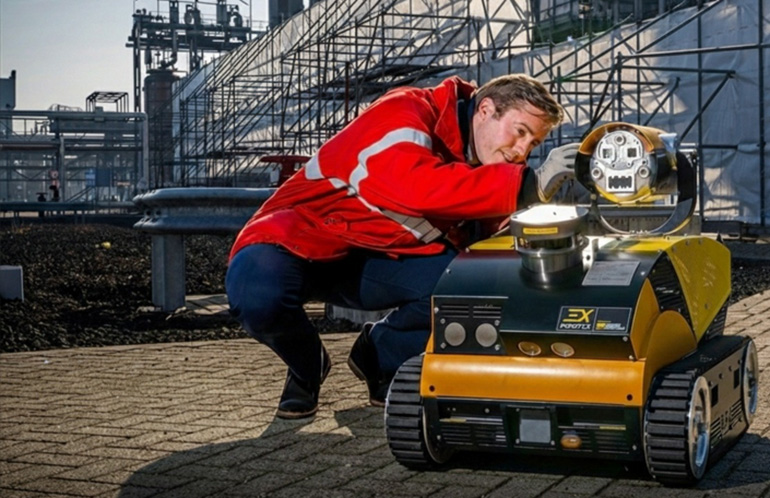
The ExR-2.5 robots is now available in North America. Source: ExRobotics Oil and gas operators face mounting pressure from aging infrastructure, acute workforce shortages, and the escalating cost of unplanned downtime, noted ExRobotics B.V. The company today made the North American launch of its UL-certified ExR-2.5 autonomous inspection robot at the Energy Drone & Robotics Summit in Houston. “The inspection challenges facing oil and gas operators are intensifying — skilled labor is ha