Tickets, geofences, and 1M miles: The new reality of California AV compliance
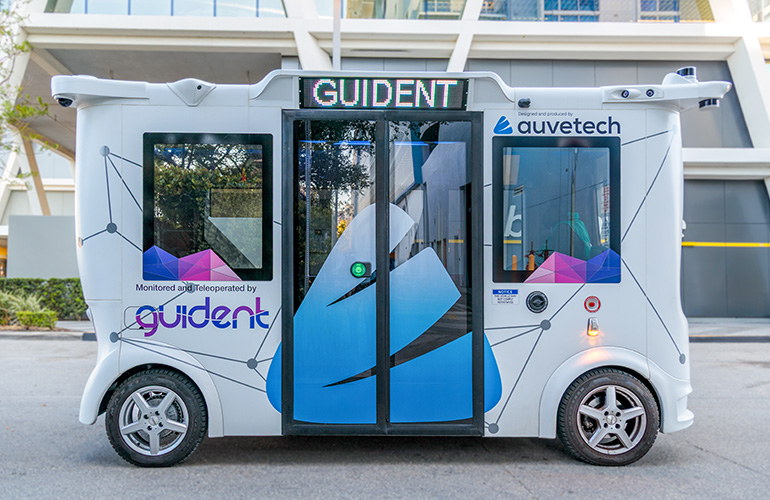
Guident is operating an AuveTech shuttle in South Florida, managing a four-mile route in West Palm Beach and a one-mile route in Boca Raton with its remote monitoring technology. | Credit: Guident California is rewriting the rules of the road for driverless cars, replacing the tech industry’s “move fast and break things” era with strict accountability measures and rigid mileage hurdles. Harold Braun, executive chairman and CEO of Guident, spoke with The Robot Report about the s
Get smart on it
California has established new regulatory requirements for autonomous vehicles operating on public roads, replacing flexible testing approaches with strict accountability measures. The new rules require manufacturers to respond to traffic violations within 72 hours (or 24 hours if marked as a public safety priority), equip vehicles with emergency communication systems that must be answered within 30 seconds, and comply with emergency geofencing commands within two minutes. Light-duty autonomous vehicles must complete 50,000 miles of testing with a safety driver and another 50,000 miles without one before commercial deployment, while heavy trucks face a 1 million-mile threshold including at least 200,000 miles on California public roads. These regulations represent a shift from the technology industry's traditional approach toward government-mandated safety oversight and accountability for autonomous vehicles operating alongside the general public.
Related news
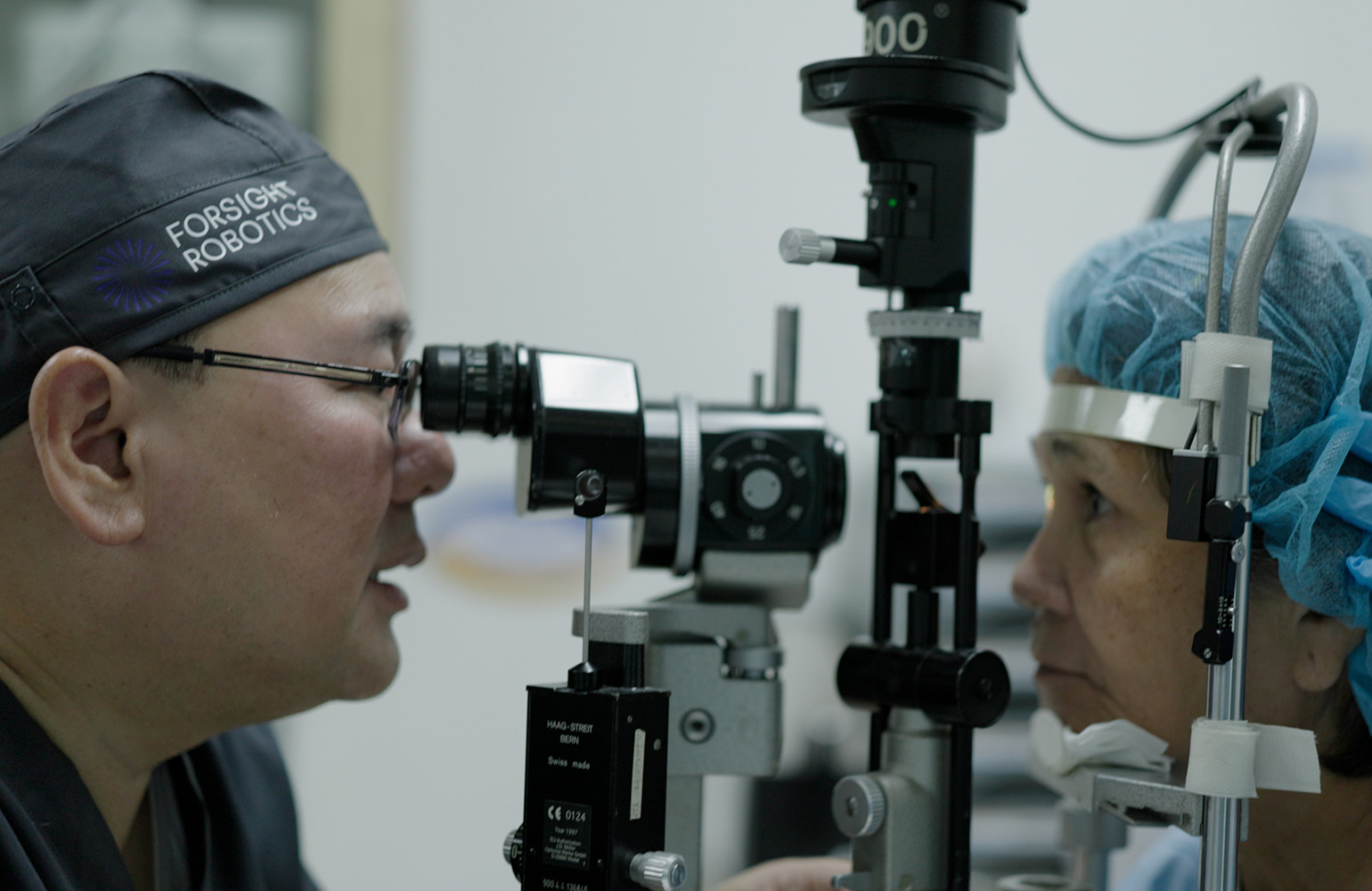
ForSight Robotics’ road to performing a fully robotic cataract surgery
Dr. Robert Ang, the study’s principal investigator, performing a post-op patient exam. | Source: ForSight Robotics Cataracts are currently the world’s leading cause of blindness, and the only way to treat them is with surgery. However, there is a shortage of trained surgeons who can tackle these difficult procedures. ForSight Robotics said robotics and artificial intelligence can ease this burden and make cataract surgeries more accessible. “When I was starting to do ophthalmic surg
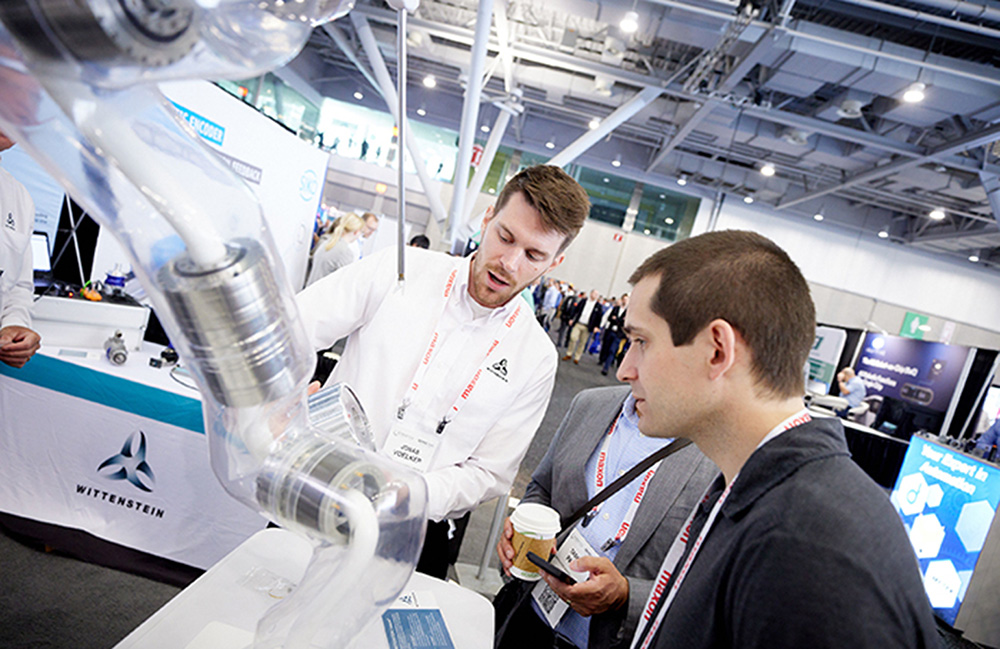
Calling all robotics startups: apply to RoboBusiness Startup Alley
RoboBusiness 2026, which takes place October 20-21 in Santa Clara, Calif., has opened its call for startups. The event is looking for robotics startups to take part in its startup alley. Selected startups will get a free 10×10 booth on the RoboBusiness show floor. The deadline for submissions is August 12, 2026. We’re looking for robotics startups that are creating an interesting full system, component, or software system to show off their work at the show. The startups will ha