This startup thinks robotics is about to have its ChatGPT moment
General Intuition is betting millions of hours of video game data can train the foundation models for physical AI, making it easier to build smarter robots with minimal real-world data.
Get smart on it
A startup is developing what it calls a foundation model for robotics, arguing that the field should shift from building specialized robot models for specific tasks toward creating general-purpose models that can transfer knowledge of movement and interaction across different environments. The approach mirrors how the AI industry moved from task-specific language models to general foundation models that can be fine-tuned for various applications. The company trained its model on millions of hours of video game data and demonstrated that a robot could perform tasks after being fine-tuned on just eight minutes of real-world data, suggesting that general models could reduce the need for collecting massive amounts of specialized robotics data. Rather than building robots itself, the startup aims to become a foundation model that other robotics companies can build upon.
Related news
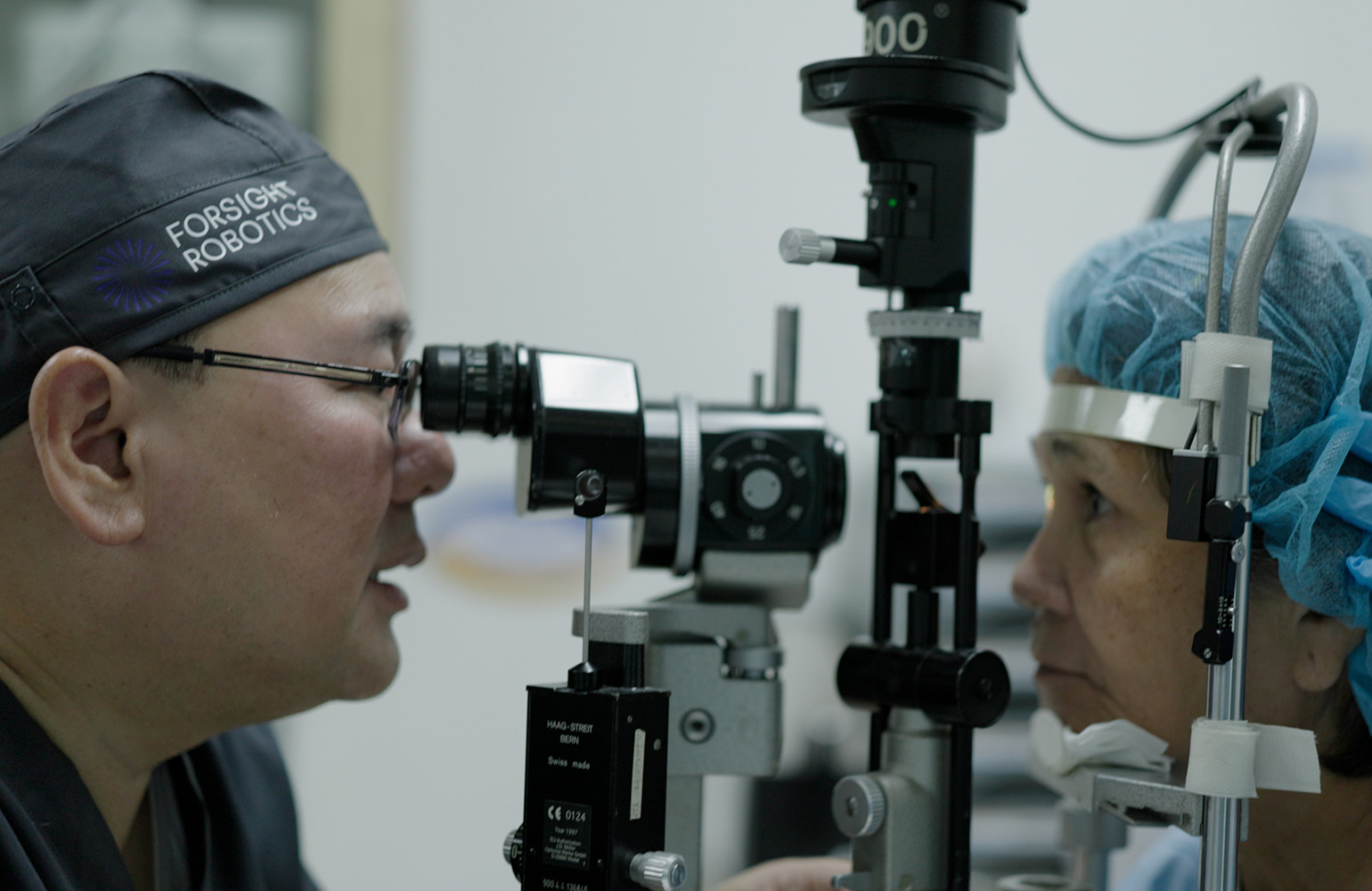
ForSight Robotics’ road to performing a fully robotic cataract surgery
Dr. Robert Ang, the study’s principal investigator, performing a post-op patient exam. | Source: ForSight Robotics Cataracts are currently the world’s leading cause of blindness, and the only way to treat them is with surgery. However, there is a shortage of trained surgeons who can tackle these difficult procedures. ForSight Robotics said robotics and artificial intelligence can ease this burden and make cataract surgeries more accessible. “When I was starting to do ophthalmic surg
Calling all robotics startups: apply to RoboBusiness Startup Alley
RoboBusiness 2026, which takes place October 20-21 in Santa Clara, Calif., has opened its call for startups. The event is looking for robotics startups to take part in its startup alley. Selected startups will get a free 10×10 booth on the RoboBusiness show floor. The deadline for submissions is August 12, 2026. We’re looking for robotics startups that are creating an interesting full system, component, or software system to show off their work at the show. The startups will ha