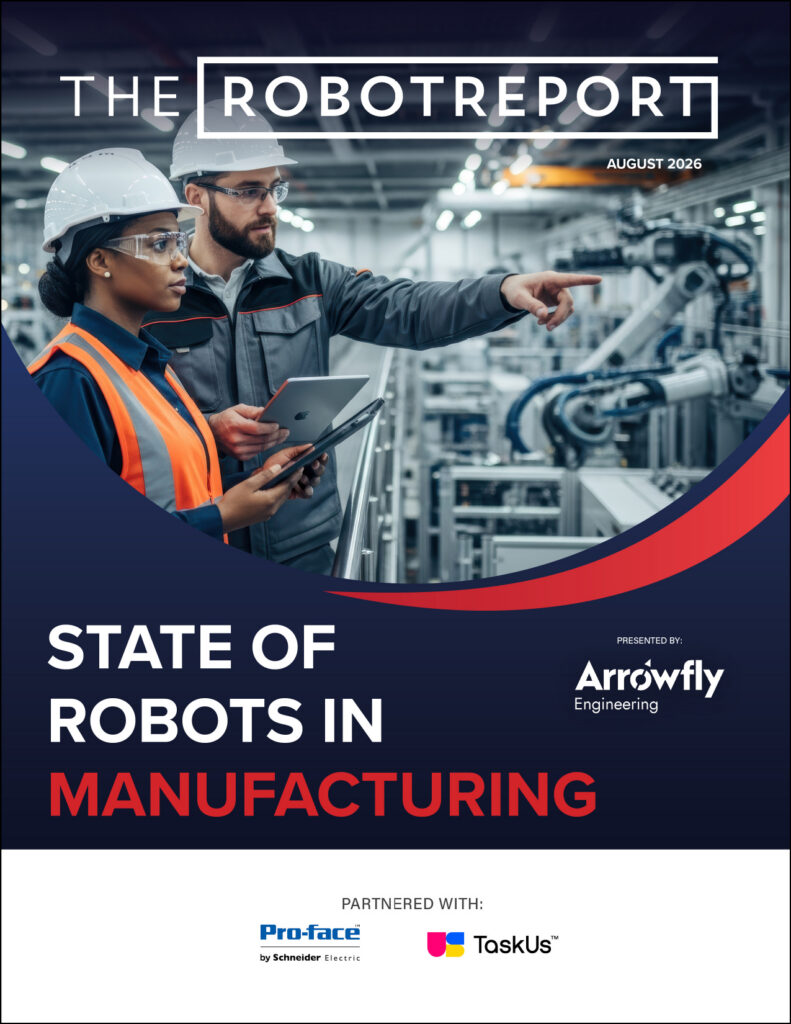
State of Robots in Manufacturing
Report looks at advances in robots for manufacturing Robotics in manufacturing has evolved from the days of rigidly programmed robot arms on automotive production lines. Robot models are diversifying, widening applications for industrial automation are changing with improvements in perception, autonomy, and actuation. In addition, widespread shortages of skilled labor are driving demand in diverse sectors, ranging from electronics and metals to food and beverage and pharmaceuticals. According t
Get smart on it
Robotics in manufacturing has moved beyond rigid, programmed robot arms to include diverse models with improved perception, autonomy, and actuation capabilities. Widespread labor shortages across sectors including electronics, metals, food and beverage, and pharmaceuticals are driving increased demand for industrial robots. Industrial robot installations doubled over the decade ending in 2024, with collaborative robots, autonomous mobile robots, and humanoids enabling factories to automate more tasks and operate more flexibly. The main challenges remain identifying appropriate applications, integrating robots fully into existing operations, and ensuring a positive return on investment.
Related news
How robotics and physical AI can responsibly tackle key physical security challenges
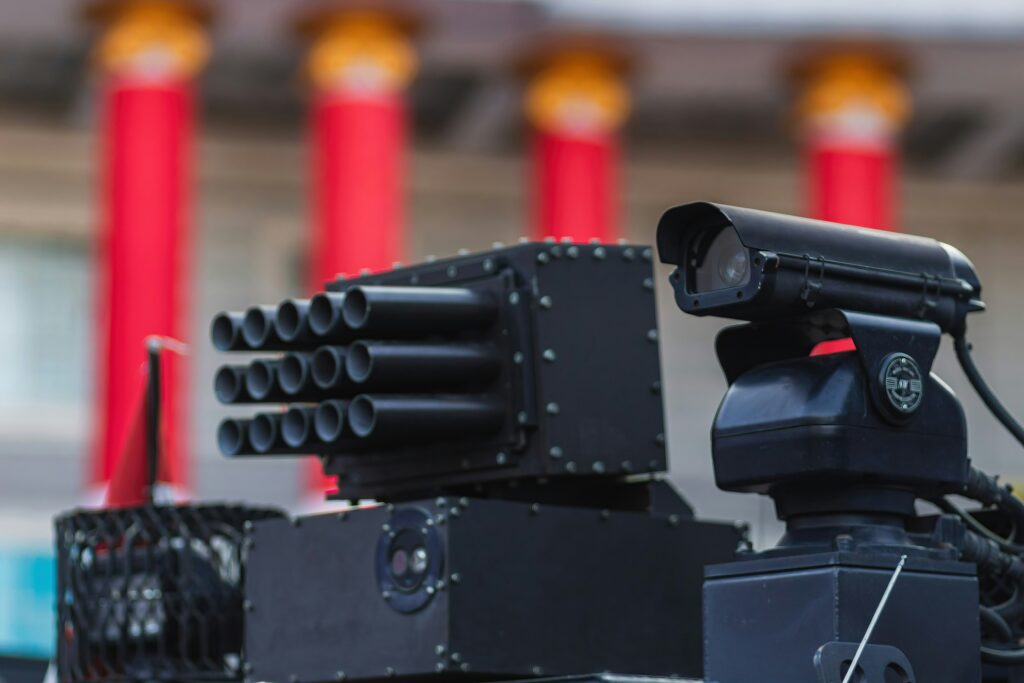
Security sensors in Yogyakarta, Indonesia. Credit: Krisna Azie, Unsplash Robotics and artificial intelligence are deeply intertwined technologies. Where the former serves as the “body,” the latter provides the “brain,” with organizations continuing to develop the technology from traditionally rigid machinery into smart, adaptive agents designed to enhance productivity and operational efficiency. In particular, the evolving sector of physical security can benefit from the
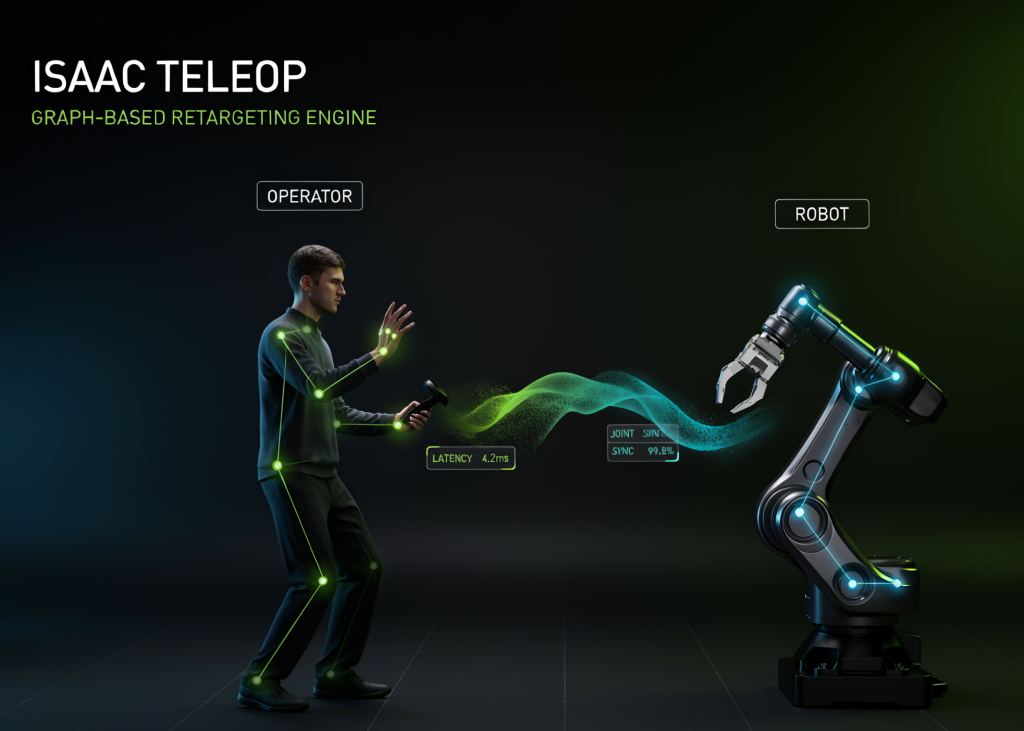
Inside NVIDIA’s IsaacTeleop: From Hand and Controller Tracking to Robot Actions with the Graph-Based Retargeting Engine
In this tutorial, we work through the retargeting engine at the core of NVIDIA IsaacTeleop, the framework that turns XR hand tracking and motion-controller input into commands for simulated and real robots. Rather than plugging in a headset, we build every input ourselves in NumPy, so each step runs on a plain Colab CPU and prints what it computes. We start with the type system every node speaks, generate synthetic hand and controller data, write our own retargeter with live-tunable parameters,