Robots on Wall Street: Non-traditional paths to public markets for robotics companies
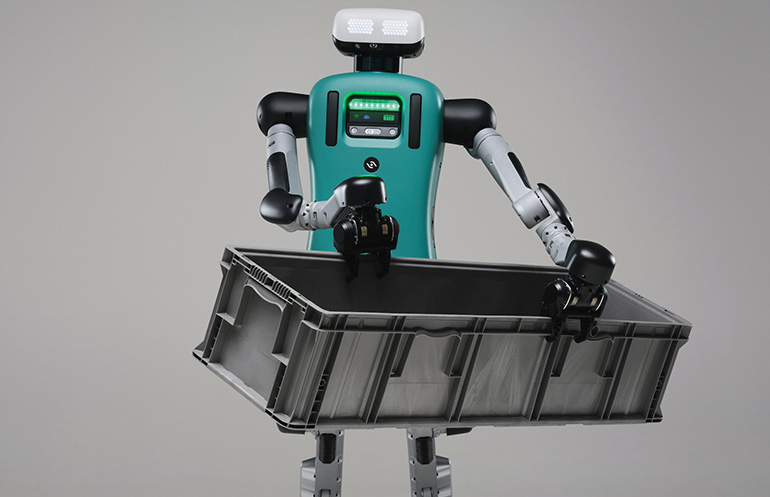
The Digit humanoid robot from Agility, which is an example of a SPAC acquisition. Source: Agility On June 24, Agility Robotics Inc., a leading humanoid robotics and physical AI company, announced it had entered into a definitive business combination agreement with Churchill Capital Corp XI, a publicly traded special purpose acquisition company or SPAC. The deal values Agility at a $2.5 billion pre-money equity valuation. The Agility transaction comes at an inflection point for robotics companies
Make your prediction
Will Agility Robotics complete its SPAC merger with Churchill Capital by November 30, 2026?
Resolves by Nov 30, 2026
Your prediction
50% · 50/50 coin flip
NOYES
Get smart on it
Robotics companies are increasingly using non-traditional methods to become publicly traded rather than pursuing traditional initial public offerings. These alternative paths include de-SPAC transactions, where a private robotics company merges with a publicly traded special purpose acquisition company, and reverse mergers with shell corporations. Robotics firms find these routes attractive because many are capital-intensive but pre-revenue or early-revenue companies that lack the financial track record institutional investors typically demand, while the current IPO market is increasingly dominated by mega-offerings from large technology companies that absorb investor attention. The regulatory burden and process differ between these alternative methods, with de-SPACs requiring more extensive SEC review and shareholder approval than reverse mergers.
Related news
Why robots that can’t communicate naturally won’t be adopted
For humanoid robots to operate in the real world, they’ll need more than a sense of sight. | Source: Adobe Stock At recent major tech events, humanoid robots were everywhere. Some of them walked, navigated, and manipulated objects with a level of dexterity that would have seemed unrealistic just a few years ago. And yet, despite all of this progress, I find myself consistently underwhelmed when I try to communicate with them at Treble. Supporting the development of advanced audio and voice

The Next Big Influencer Is This 4-Foot-Tall Robot From China
The Unitree G1 has found online fame as a relatively affordable robot that can charm a crowd. But can it ever hold down a real job?