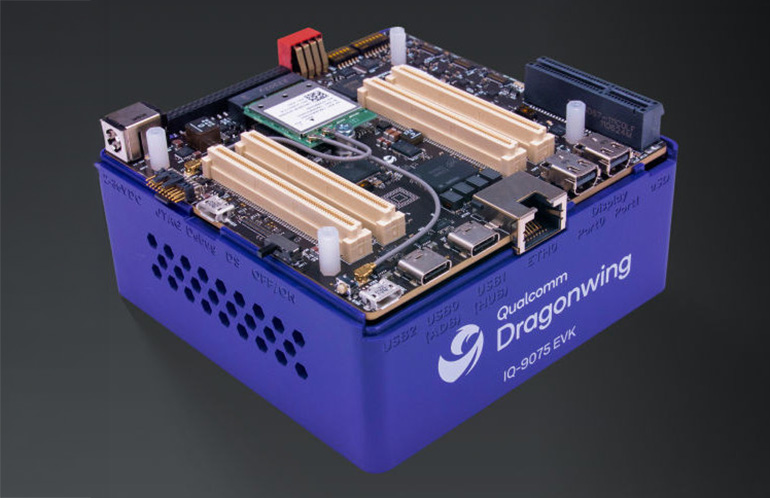
Qualcomm to acquire PickNik Robotics and keep MoveIt open-source
Qualcomm will integrate its Dragonwing platform with PickNik’s MoveIt framework. Source: Qualcomm Qualcomm Technologies Inc. today said it has agreed to acquire PickNik Inc., which has developed robotics software including the MoveIt open-source manipulation framework. The companies said they expect to streamline MoveIt integration with Qualcomm Dragonwing platforms to give developers an easier path from AI models to planning, manipulation, and real-time control. “Since our founding, PickN
Get smart on it
Qualcomm has agreed to acquire a robotics software company that developed MoveIt, an open-source framework used worldwide for robotic manipulation and control. The acquisition aims to integrate MoveIt with Qualcomm's Dragonwing platform to make it easier for developers to move from AI models to actual robot planning and control, while Qualcomm commits to keeping MoveIt open-source under its current license and supporting it across third-party hardware. This deal is part of a broader trend of major tech companies acquiring robotics and AI firms to build out their physical AI capabilities. The acquisition demonstrates Qualcomm's strategy of combining its hardware platforms with open-source software tools to make advanced robotics more accessible to developers.
Relevant courses
Want to go deeper than the news? Explore live, cohort-based AI courses taught by practitioners.
Browse AI courses on MavenRelated news
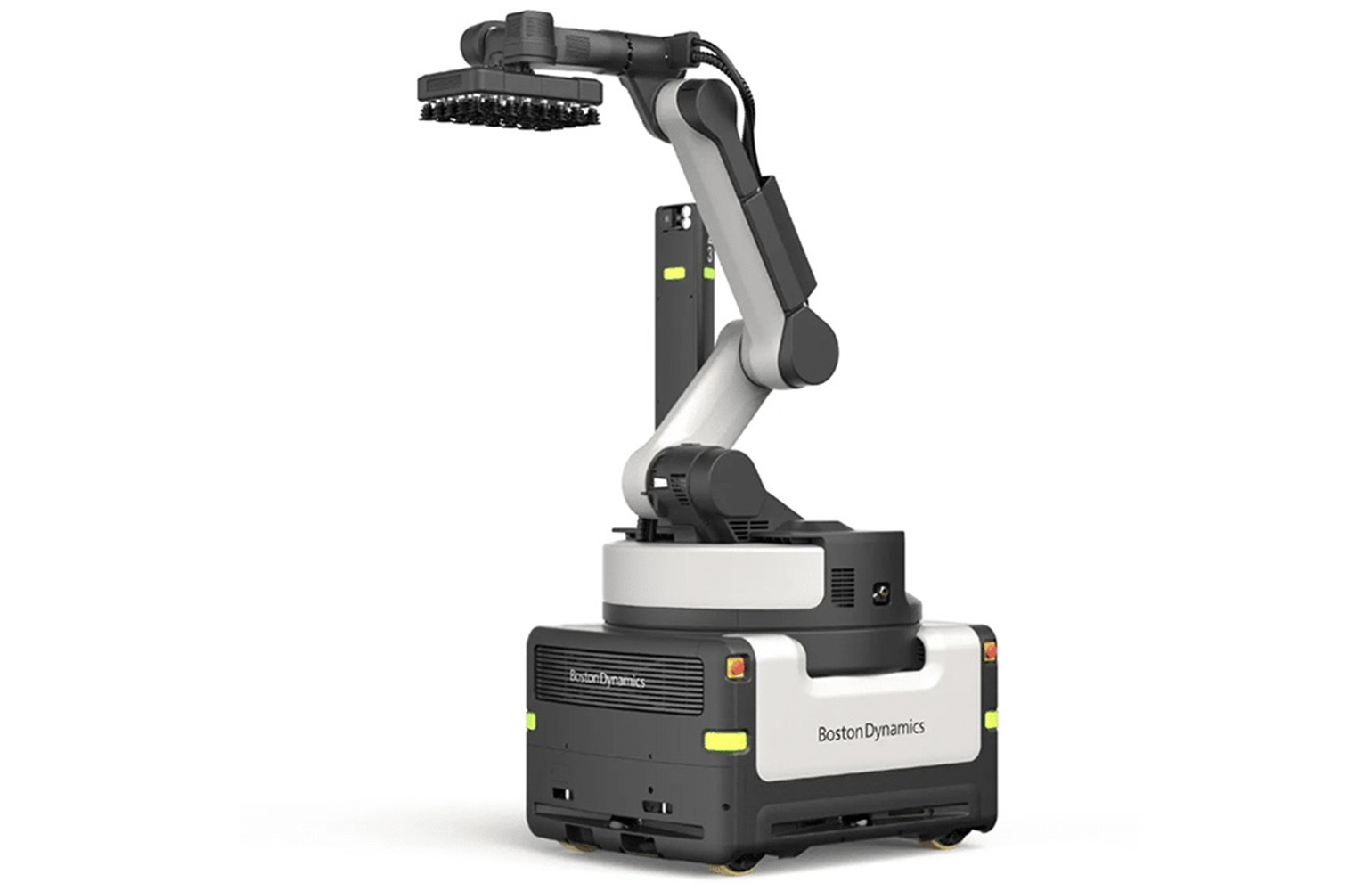
Boston Dynamics built Stretch Gen 2 for reliable, consistent performance
The new Stretch features an updated modular design that enables “plug and play” part swaps. | Source: Boston Dynamics Boston Dynamics Inc. this week unveiled Stretch Gen 2, the latest generation of its autonomous mobile trailer unloading robot. With over 100,000 operating hours and tens of millions of boxes handled under its belt, the company built the updated robot to maximize uptime and streamline maintenance. Brian Donnelly, the vice president and general manager of logistics robotics at Bost

Agility is the first pure humanoid robot company on the stock market. Are you buying?
Agility arrives on the Nasdaq today as the first publicly-traded pure-play humanoid robotics company.
Also reported by Ars Technica

Physicl raises $10M to make the digital world real enough for robots
Physicl is trying to solve the sim-to-real gap with a pipeline originally built to market goods online.

Sector Snapshot: Construction Robotics Funding Soars To $1.6B, Tripling Previous Peak
Construction companies are struggling to find enough workers. For startups, that means venture investors are pouring money into companies betting that robots can help close the gap. Companies spanning construction and robotics have raised about $1.6 billion this year through Oct. 29 — more than 4x the $389 million recorded in all of 2025 — according to Crunchbase data. The surge was driven by three companies that raised the majority of the funding. The broad trend: For contractors struggling to
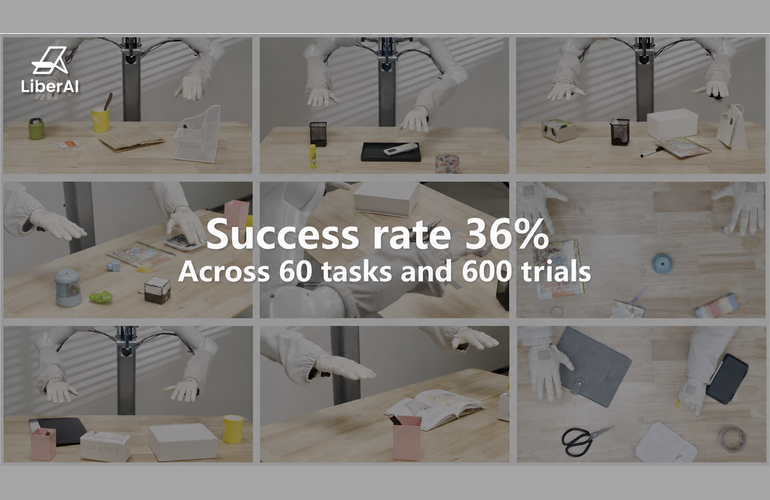
LiberAI Unveils Liber-0, a World Action Model That Grounds Human Experience in Robot Action
LiberAI introduces Liber-0, a world action model pretrained on more than 2.2 million hours of human experience to support zero-shot robot manipulation. In an evaluation of 60 tasks proposed by GPT-6, it achieved 36.0% overall success without robot demonstrations collected specifically for those target tasks. The model combines large-scale human video, glove-recorded hand motion and embodiment alignment to transfer human manipulation experience to robots. Liber-0 achieves 36.0% overall success in

Robot integration brings high-precision production to midmarket manufacturers
High-precision manufacturing was once considered something exclusive to large corporations. However, advances in robotic integration and automated manufacturing have changed this perception. Sophisticated capabilities are becoming accessible to midmarket and smaller operations. This shift has led to a more even competitive landscape. Smaller manufacturers have an opportunity to reach new levels of accuracy and efficiency. Today’s robotic systems can help these producers modernize targeted workf