Innodata opens motion-capture lab to help humanoids move more like people
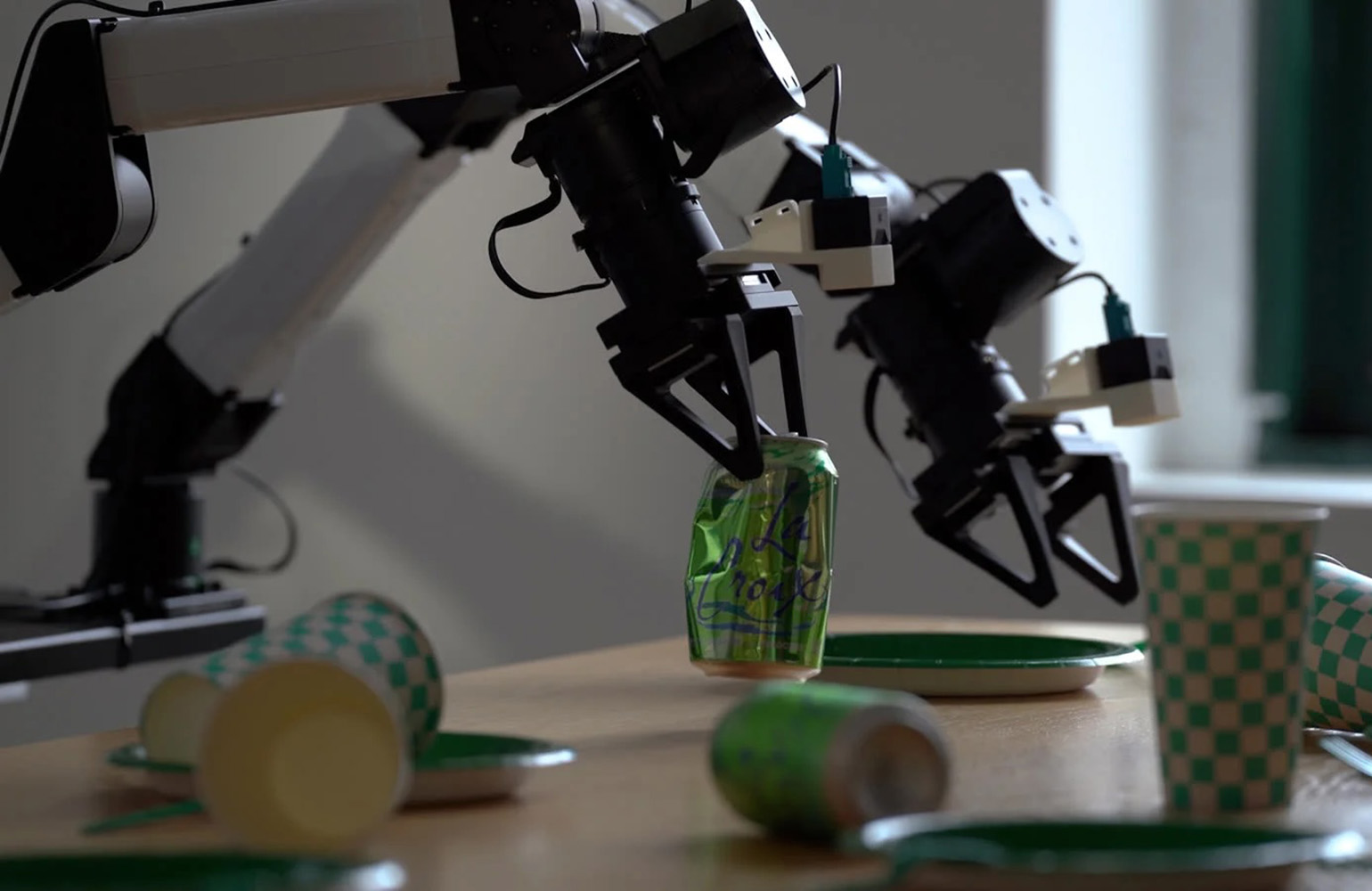
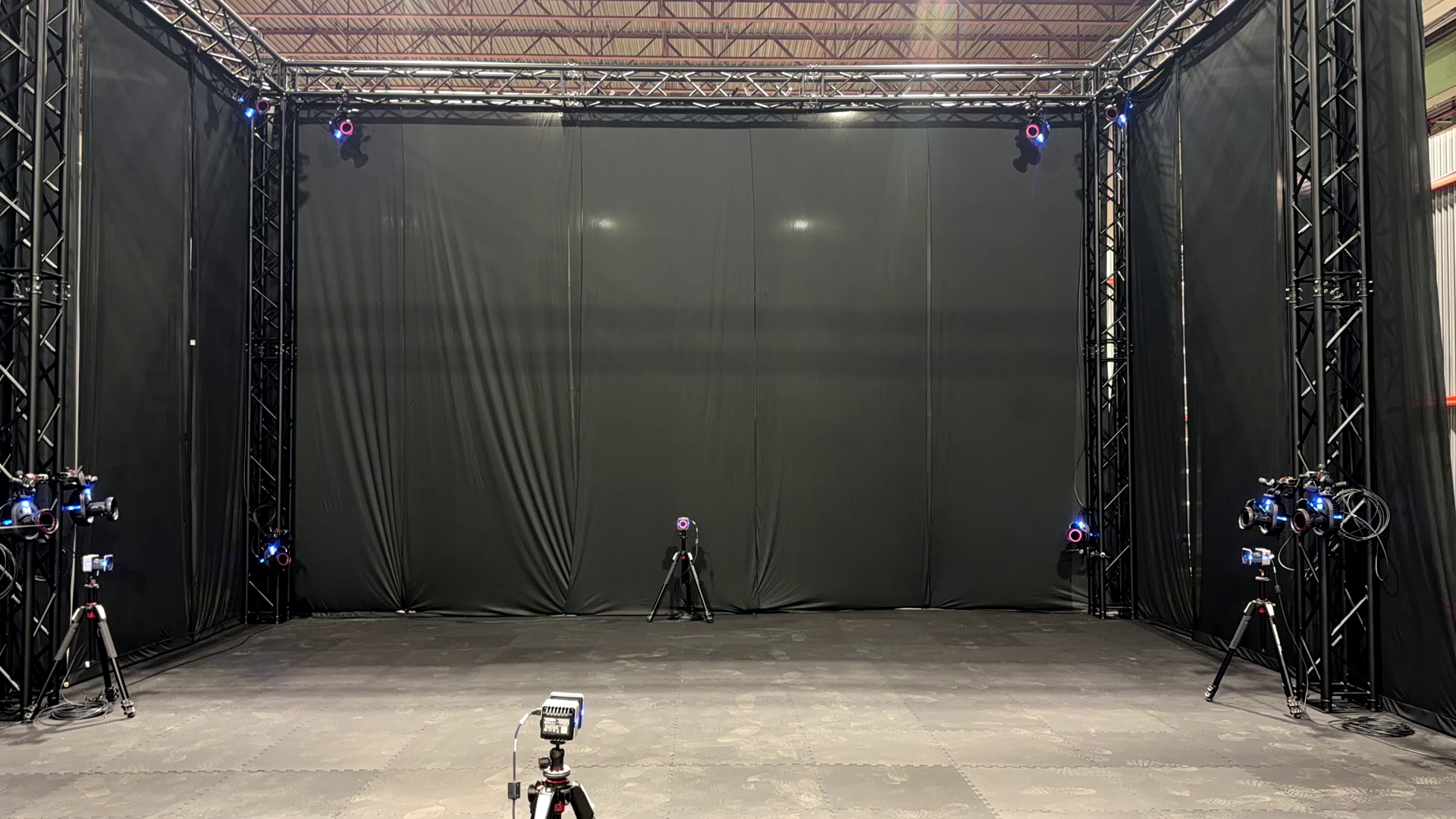
Innodata has opened a new lab to capture motion for accurate data to train AI for robotics. Source: Innodata While humanoid robots can be agile, the artificial intelligence driving them needs more data to be able to conduct useful tasks. Innodata Inc. today said it has opened a laboratory to generate the data for training the next generation of human-like robots. The facility will also independently validate the performance data that robots generate internally. “Physical AI is growing faster tha
Get smart on it
A company has opened a laboratory that uses high-precision motion-capture technology to record how people move, creating training data for humanoid robots and other physical AI systems. The lab addresses a critical shortage of real-world interaction data needed to train these robots, which unlike language models cannot rely on vast amounts of existing data from the internet. The facility captures detailed 3D movement data directly from bodies rather than inferring it from video, achieving sub-millimeter accuracy that helps ensure robots learn movements precisely enough to perform tasks safely and effectively. This approach matters because robots trained on approximate data will themselves be approximate, potentially leading to mistakes in real-world tasks like picking up objects in different ways depending on context.
Related news
How robotics and physical AI can responsibly tackle key physical security challenges
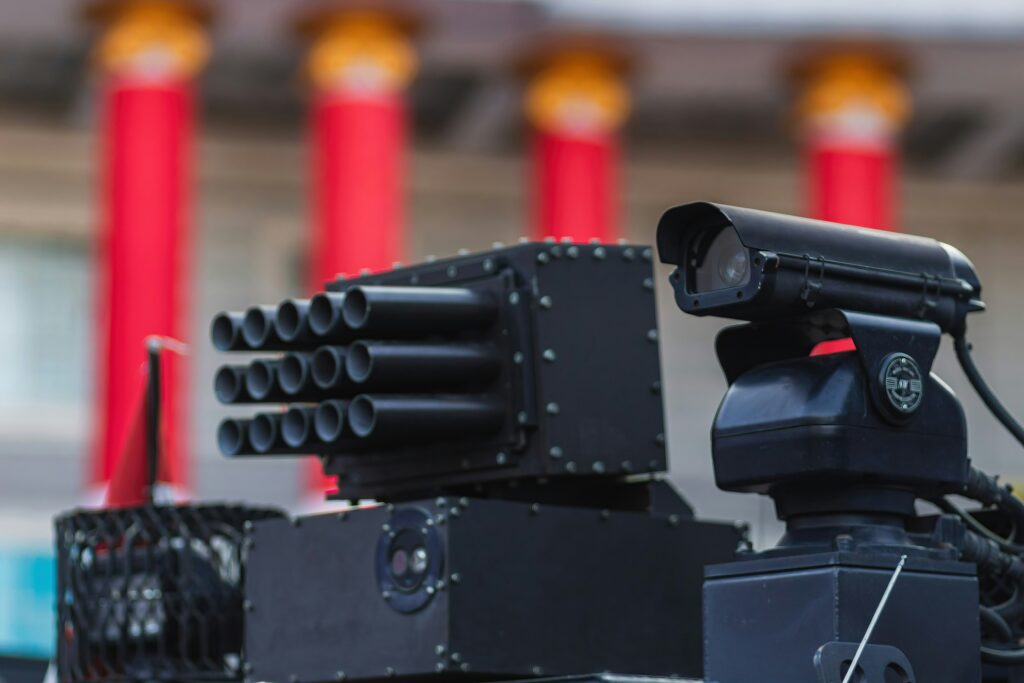
Security sensors in Yogyakarta, Indonesia. Credit: Krisna Azie, Unsplash Robotics and artificial intelligence are deeply intertwined technologies. Where the former serves as the “body,” the latter provides the “brain,” with organizations continuing to develop the technology from traditionally rigid machinery into smart, adaptive agents designed to enhance productivity and operational efficiency. In particular, the evolving sector of physical security can benefit from the
Inside NVIDIA’s IsaacTeleop: From Hand and Controller Tracking to Robot Actions with the Graph-Based Retargeting Engine
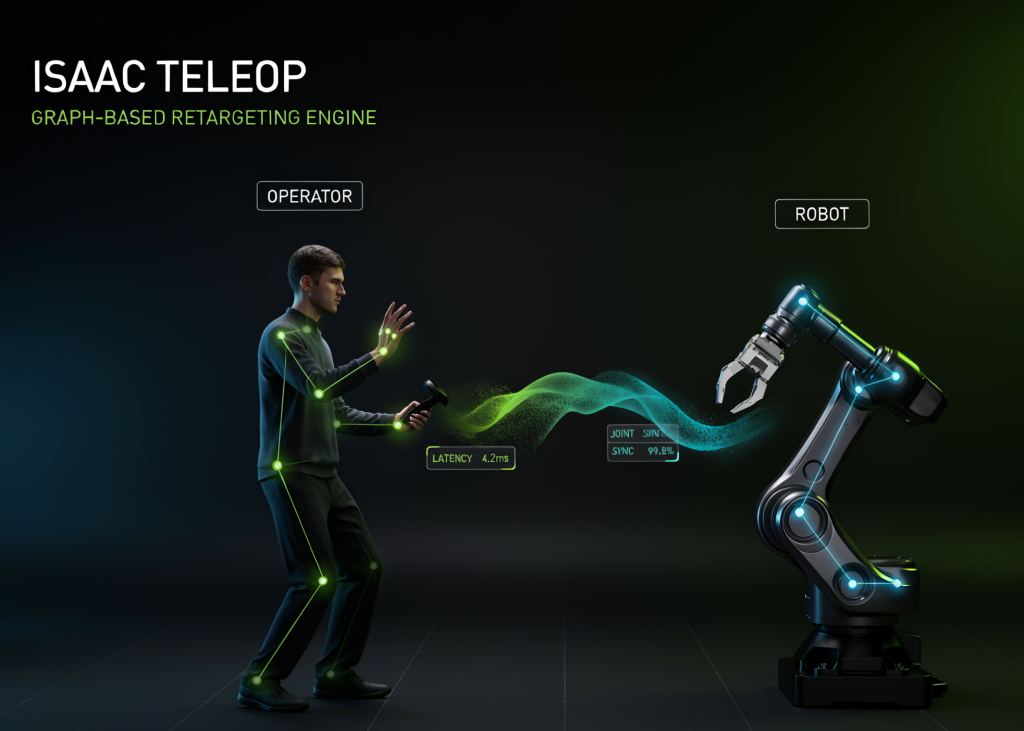
In this tutorial, we work through the retargeting engine at the core of NVIDIA IsaacTeleop, the framework that turns XR hand tracking and motion-controller input into commands for simulated and real robots. Rather than plugging in a headset, we build every input ourselves in NumPy, so each step runs on a plain Colab CPU and prints what it computes. We start with the type system every node speaks, generate synthetic hand and controller data, write our own retargeter with live-tunable parameters,