How to Use NVIDIA Warp and MjWarp to Accelerate Robotics Simulation and Learning Workflows
Faster simulation tools could help roboticists train autonomous systems more efficiently by compressing months of testing into weeks.
Get smart on it
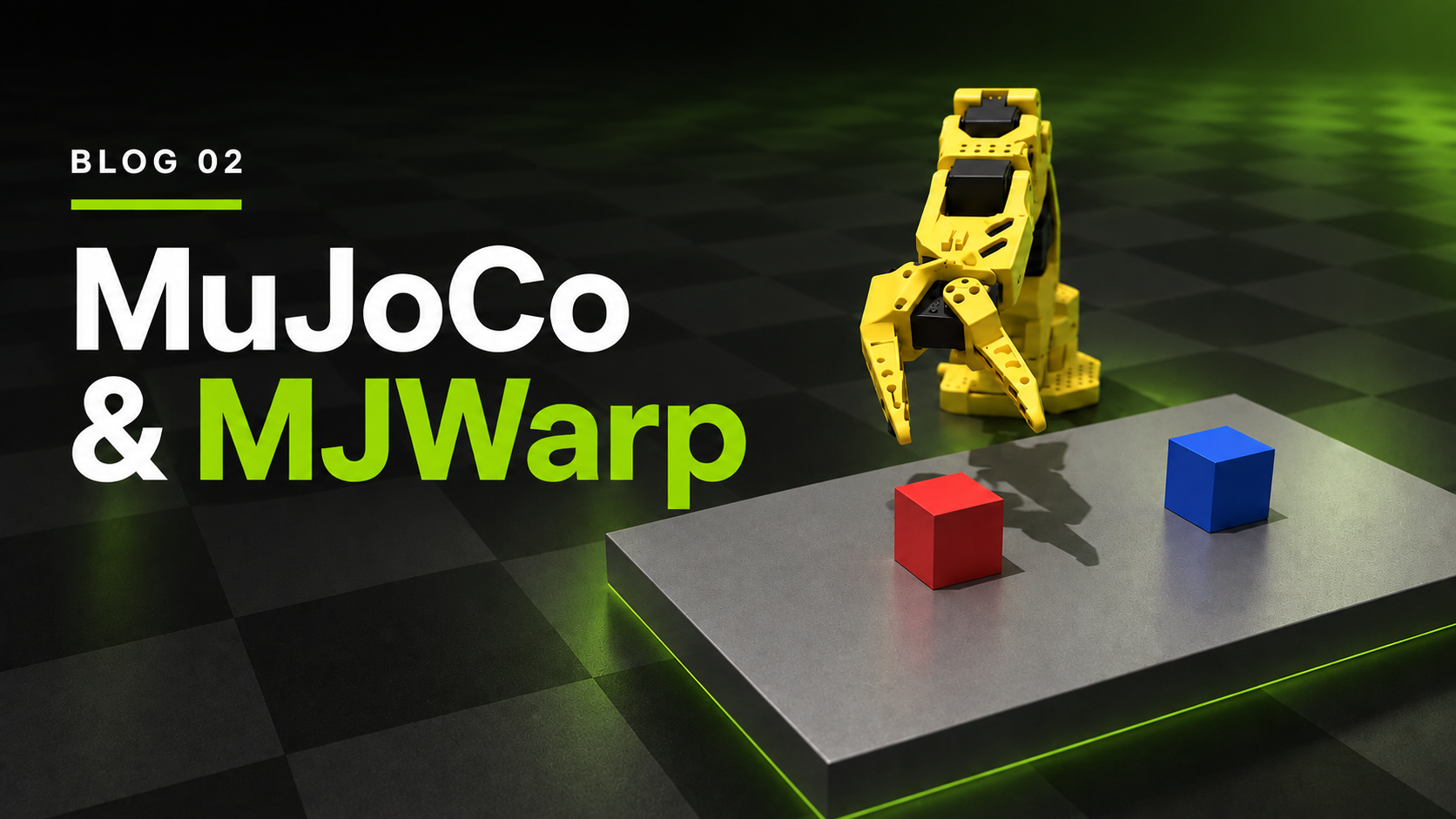
NVIDIA Warp is a Python framework that compiles code to run on GPUs, allowing developers to write high-performance simulation kernels. MuJoCo Warp (MJWarp) applies this GPU acceleration to robot simulation, enabling thousands of independent simulation environments to run in parallel batches on graphics hardware rather than on CPUs. This matters because as machine learning workloads grow, the bottleneck shifts from running a single simulation quickly to running many simulations simultaneously, and GPU parallelization keeps simulation and learning data close together on the device for better performance. The technology uses NVIDIA's Warp framework to implement MuJoCo's physics pipeline on GPUs, allowing compatible robot models to scale from traditional CPU-based workflows to massively parallel GPU-scale simulation.
Related news
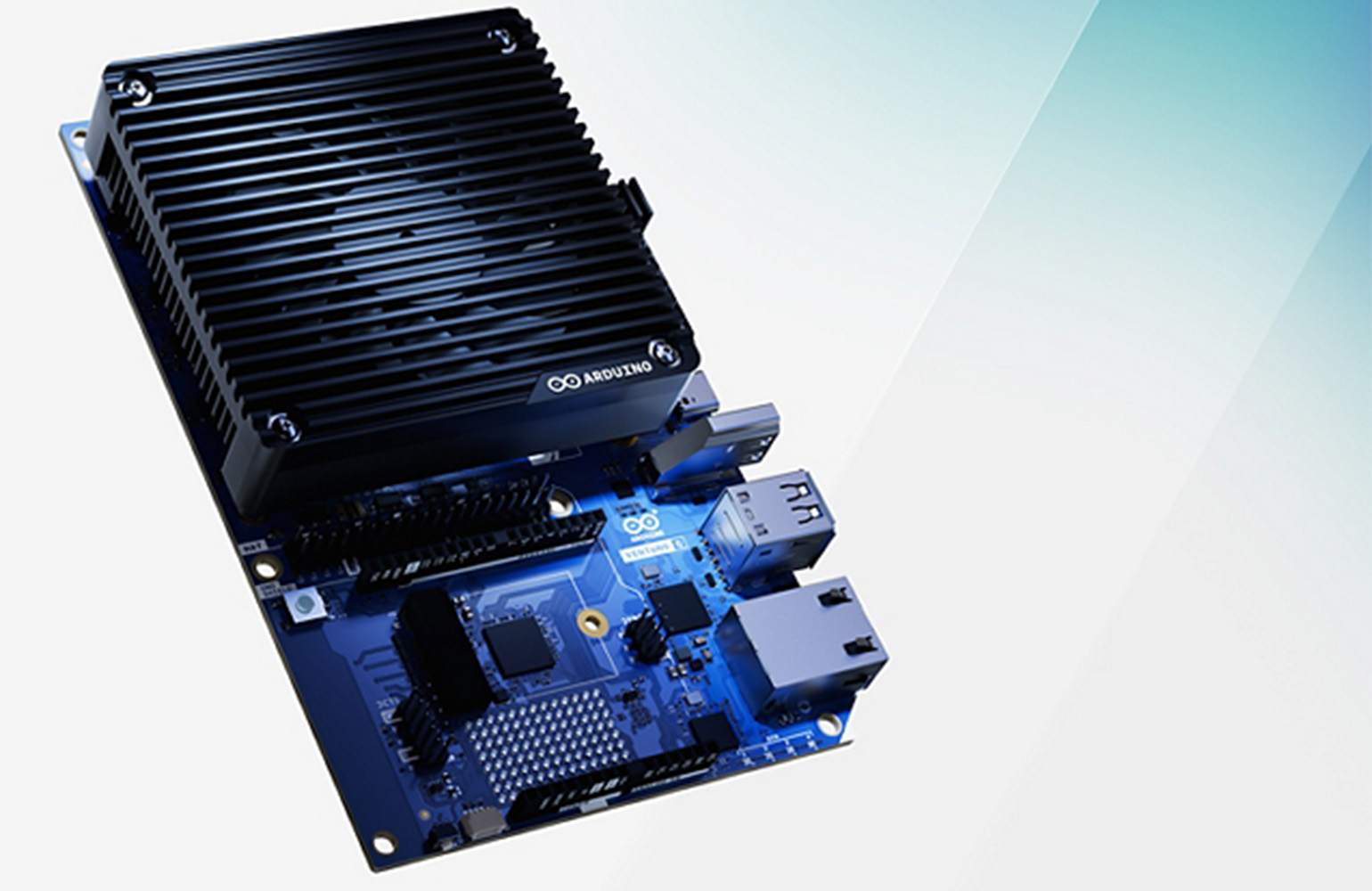
With the new VENTUNO Q board, Arduino hopes to make robotics development easier
Arduino VENTUNO Q’s dual-brain architecture pairs a Qualcomm Dragonwing IQ8 Sprocessor with a real-time STM32H5 microcontroller. | Source: Qualcomm Arduino S.r.l., a subsidiary of Qualcomm Technologies Inc., recently opened pre-orders for VENTUNO Q, a edge AI platform powered by the Qualcomm Dragonwing IQ8 Series. Arduino built the board for developers, prioritizing familiarity and ease of use with the right software, accessories, and extensions. While this is Arduino’s first intenti

Helicon brings automation to high-volume composites manufacturing
Helicon is using robots for carbon fiber parts production. Source: Helicon Advanced composites offer strength and stiffness at low weight, but manufacturing them at scale remains slow, labor-intensive, and difficult to automate. Helicon Industries is building automated manufacturing systems designed to bring composites into high-volume production, starting with carbon fiber. The Los Angeles-based startup has emerged from stealth with $16 million in seed funding, led by AlleyCorp. Helicon aims to