How AI could enable autonomous robot workers in workplaces, and maybe homes
In a world where self-driving robotaxis glide through major city streets without drivers behind the wheel and delivery drones autonomously fly through the skies to drop off orders at customers’ homes, the idea of general-purpose robots helping humans with various tasks in workplaces or even homes may not seem far-fetched. But that future hinges on developing increasingly autonomous robots powered by modern artificial intelligence—an ambitious vision that has motivated many researchers to become
Get smart on it
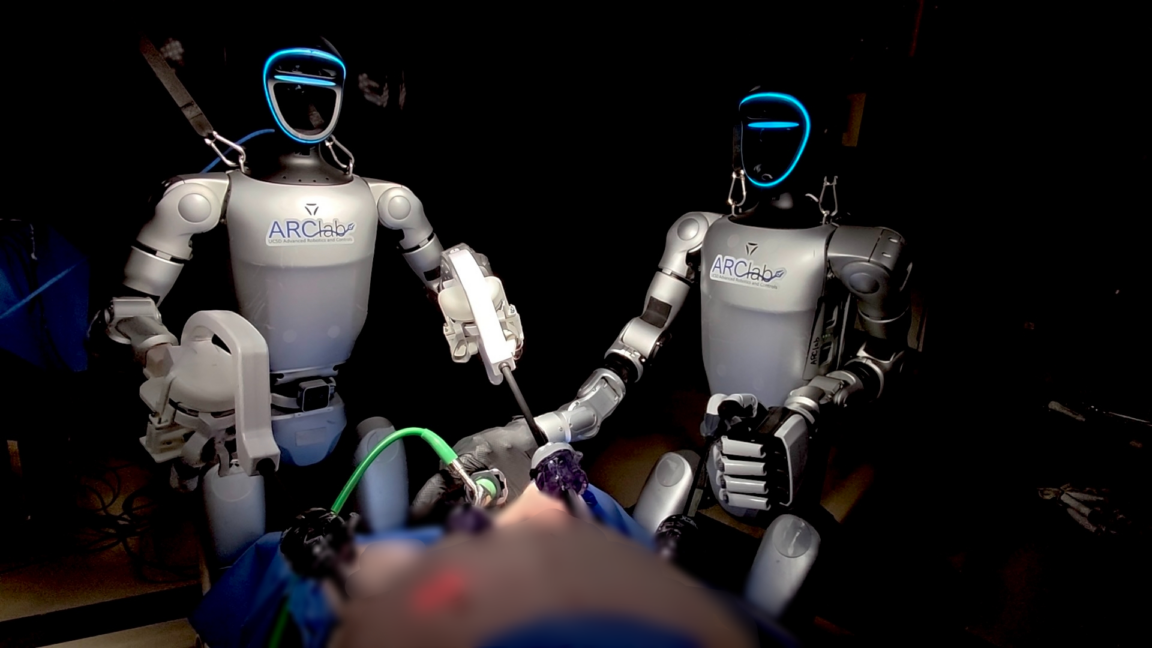
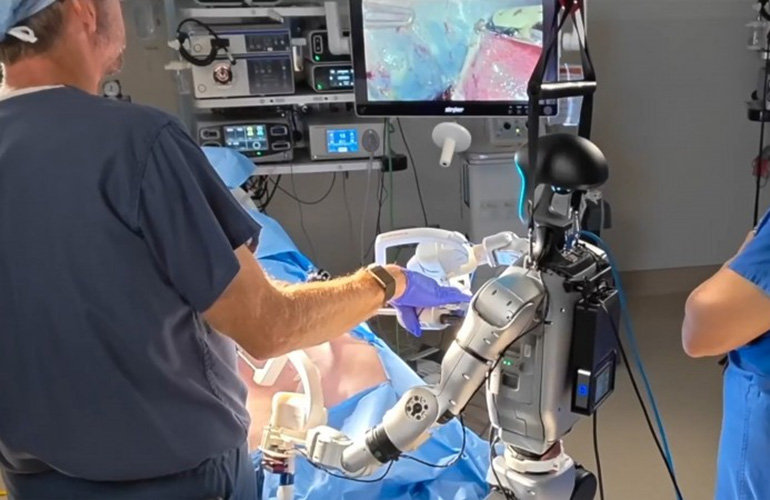
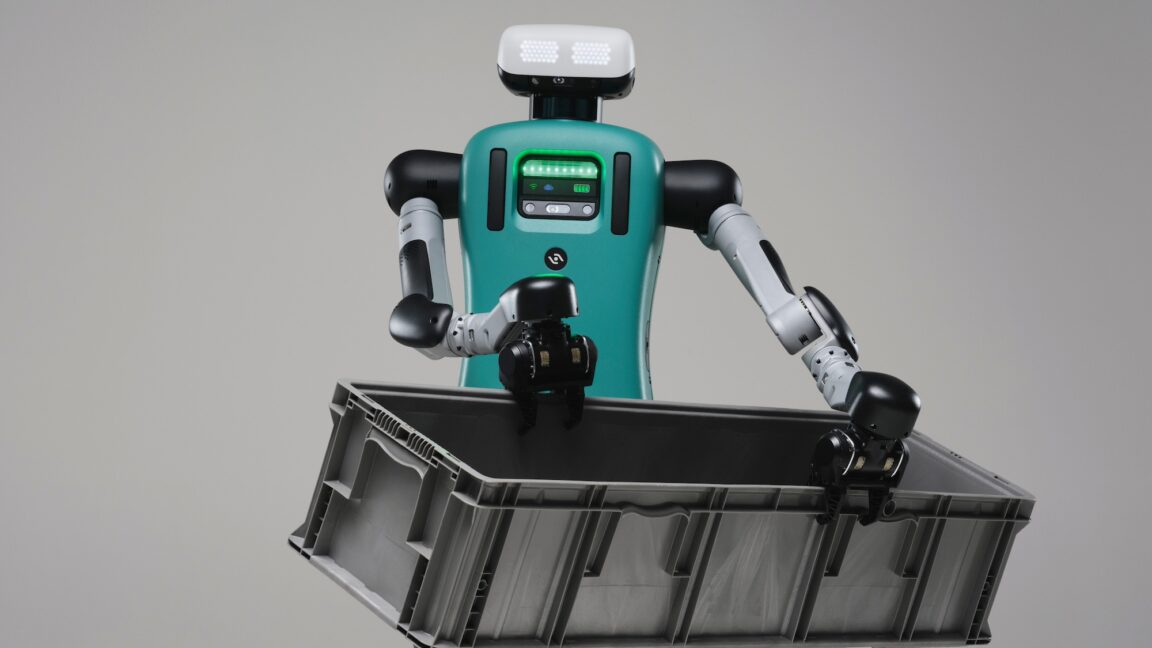
Robotics researchers and companies are working to develop general-purpose robots that can operate autonomously in unpredictable environments and perform a wide variety of tasks with minimal human supervision. Recent advances in artificial intelligence, particularly reinforcement learning and large foundation models trained on massive amounts of data, have made this goal seem increasingly achievable compared to earlier eras when robots could barely navigate simple spaces. The challenge now involves combining multiple AI techniques, collecting sufficient training data through methods like human teleoperation, and enabling robots to handle complex perception, motor skills, and the ability to generalize their behaviors to new situations. Such autonomous robots could eventually assist humans in workplaces and homes, though they may take many different forms rather than appearing as humanoid figures.
Related news
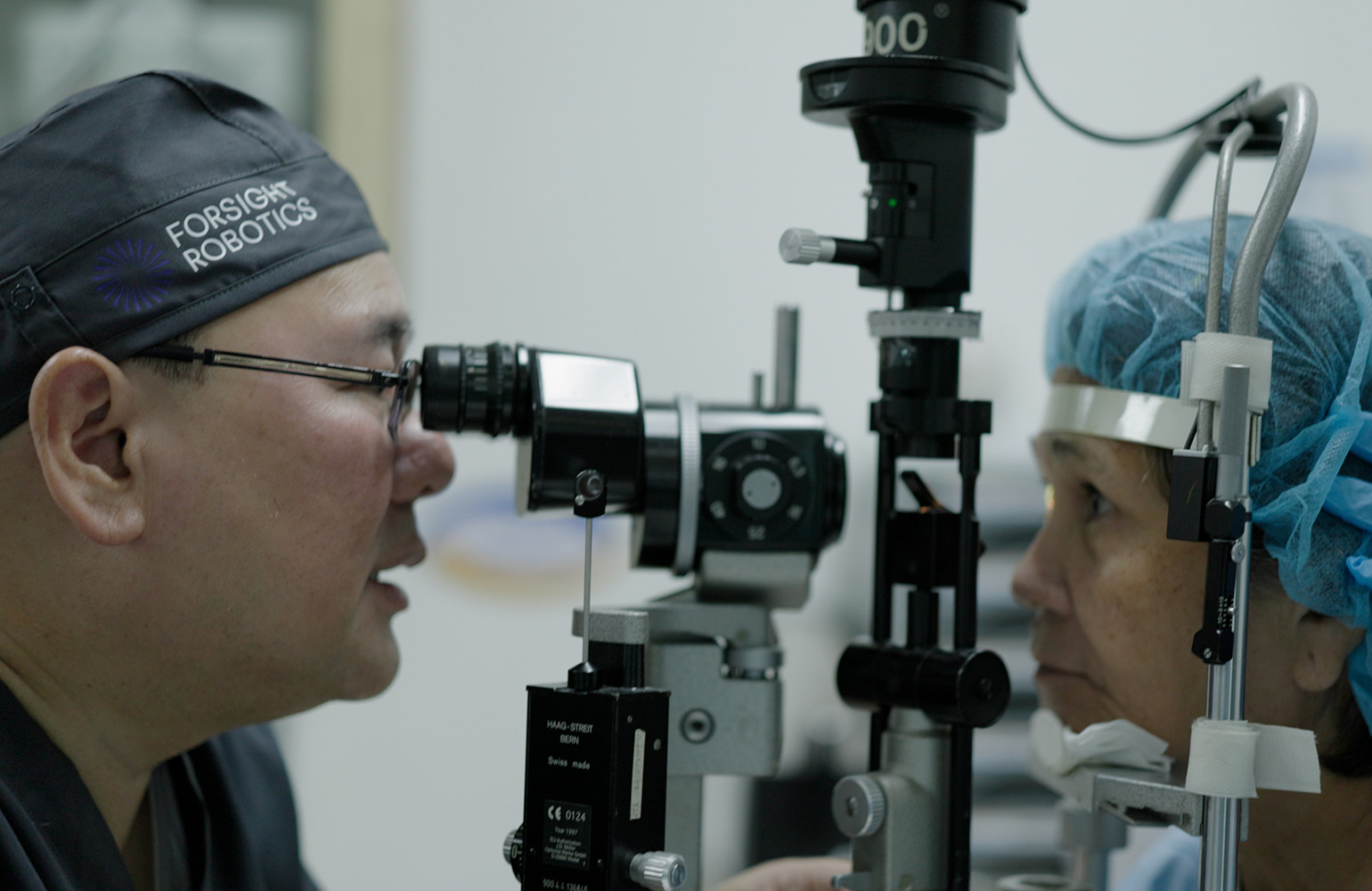
ForSight Robotics’ road to performing a fully robotic cataract surgery
Dr. Robert Ang, the study’s principal investigator, performing a post-op patient exam. | Source: ForSight Robotics Cataracts are currently the world’s leading cause of blindness, and the only way to treat them is with surgery. However, there is a shortage of trained surgeons who can tackle these difficult procedures. ForSight Robotics said robotics and artificial intelligence can ease this burden and make cataract surgeries more accessible. “When I was starting to do ophthalmic surg
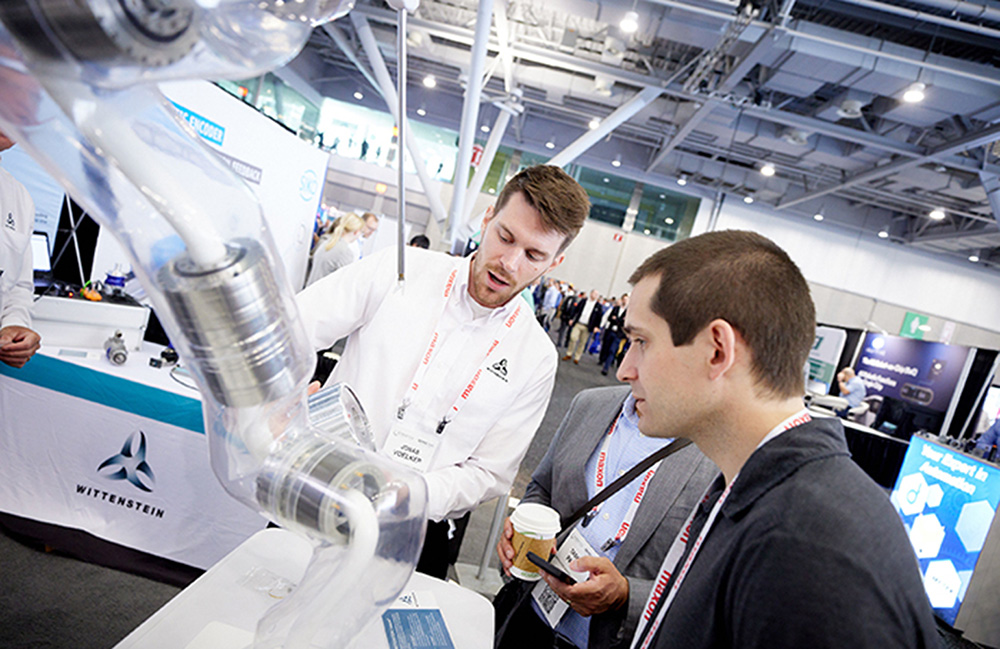
Calling all robotics startups: apply to RoboBusiness Startup Alley
RoboBusiness 2026, which takes place October 20-21 in Santa Clara, Calif., has opened its call for startups. The event is looking for robotics startups to take part in its startup alley. Selected startups will get a free 10×10 booth on the RoboBusiness show floor. The deadline for submissions is August 12, 2026. We’re looking for robotics startups that are creating an interesting full system, component, or software system to show off their work at the show. The startups will ha