Analog Devices launches robotics startup support hub
The Robot Report: How ADI is helping robotics startups scale
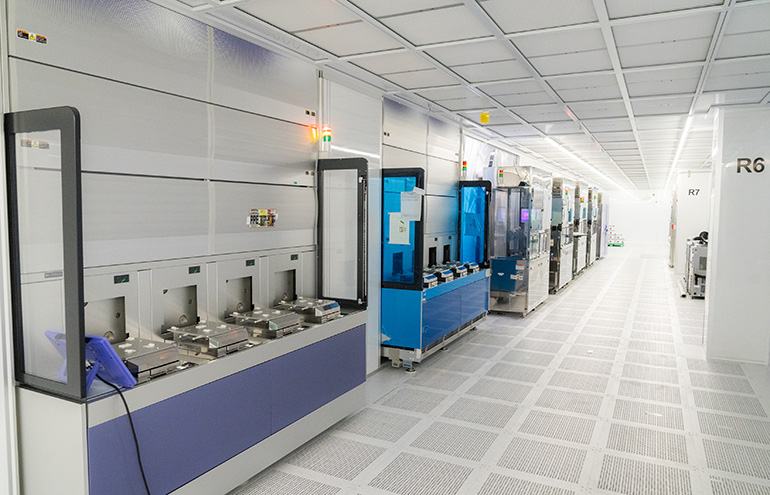
The ADI cleanroom in Beaverton, Ore. Source: Analog Devices Inc. Robotics companies are developing new capabilities at a rapid pace, from autonomous mobile robots to humanoid systems. However, keeping up with technological advances is one part of the challenge, according to Analog Devices Inc. or ADI. The most critical thing is to turn a successful prototype into a commercially viable product that can be manufactured and deployed at scale. “The biggest challenge I see robotics startups facing t
Get smart on it
A semiconductor company is creating a support hub to help robotics startups move from working prototypes to commercially manufactured products. The transition from prototype to production requires expertise in electronics, system integration, validation, and manufacturing that stretches smaller engineering teams. The hub offers access to engineers, prototyping tools, testing resources, and manufacturing guidance while allowing startups to retain ownership of their technology. This addresses a critical gap in the robotics industry, where companies excel at adopting new technologies but struggle with the different demands of scaling production and maintaining quality at higher volumes.
Relevant courses
Want to go deeper than the news? Explore live, cohort-based AI courses taught by practitioners.
Browse AI courses on MavenRelated news

Gemini 4 Argon for Robotics
Roboticists can now use advanced language capabilities to improve how machines perceive and act in physical environments.

Industrial Next wants factory robots to switch tasks in minutes, not weeks
Industrial Next helps manufacturers automate complex, delicate tasks that have traditionally required human labor.
Promise Robotics partners with D.R. Horton on physical AI for homebuilding
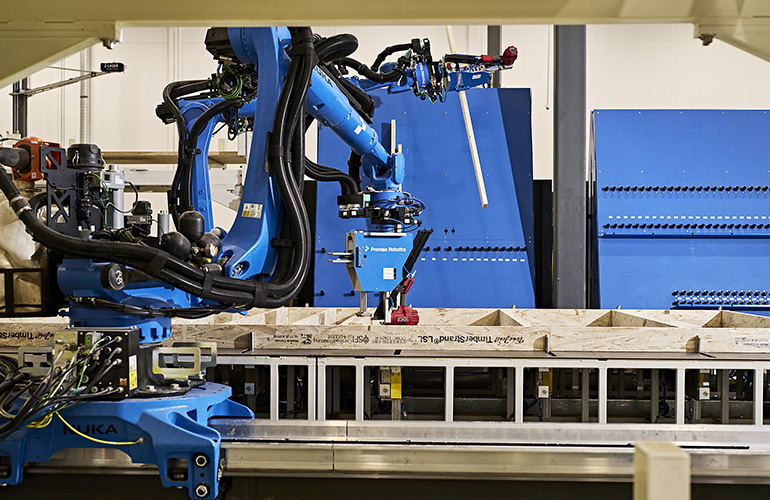
Promise Robotics says it can accelerate homebuilding by standardizing component manufacturing. Source: Promise Robotics The construction industry is fragmented and has been relatively conservative about adopting new technologies, but physical AI promises to modernize homebuilding. Today, Promise Robotics said it has signed a multi-year agreement with D.R. Horton, which will use its Factory-as-a-Service capabilities to produce more than 1,250 homes in the U.S. “Homebuilding has long lacked the pr
Amazon has over 1 million robot workers. What’s next for human employees?
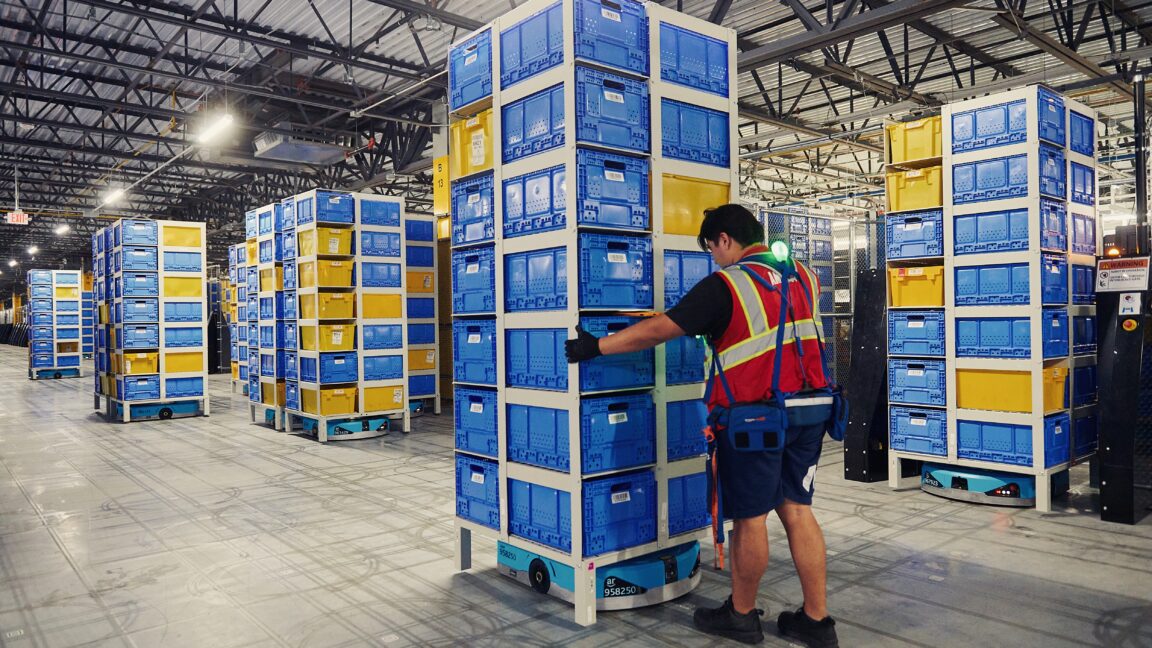
No organization in the world operates more robots than Amazon. The company already has more than 1 million robots working in warehouses around the clock to make tens of millions of same-day and one-day package deliveries happen on a daily basis—and Amazon is poised to significantly grow that robotic fleet in the coming years as it establishes new factories to churn out increasingly more capable robot workers. Despite deploying so many robots, Amazon is also the second-largest corporate employer
RoboBusiness 2026 panel to discuss reshoring with robots
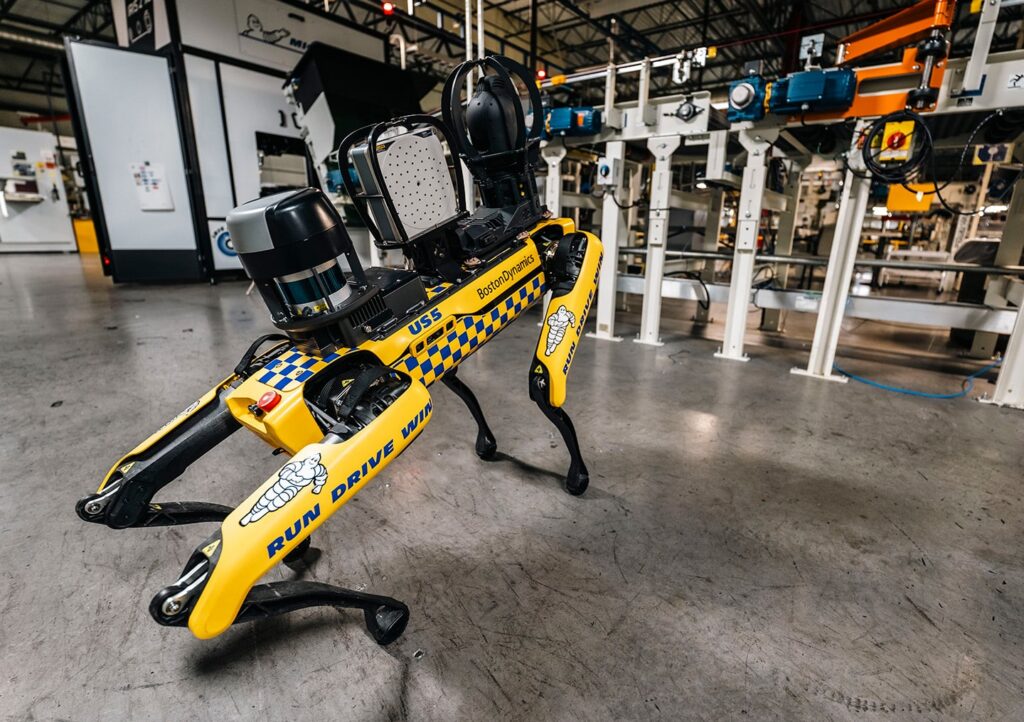
The Spot quadruped conducts inspections at a Michelin plant in Lexington, S.C. Source: Boston Dynamics Robotics is a key enabler of reshoring production to the U.S., but there is little consensus on how to best encourage it. Most industrial automation is made by foreign-owned companies, but can recent policies such as tariffs and FCC import restrictions help promote reshoring? At RoboBusiness 2026, which will be on Oct. 20 and 21 in Santa Clara, Calif., industry experts will discuss how to encou
Timken Precision Drives puts the motion challenge first in humanoid robots
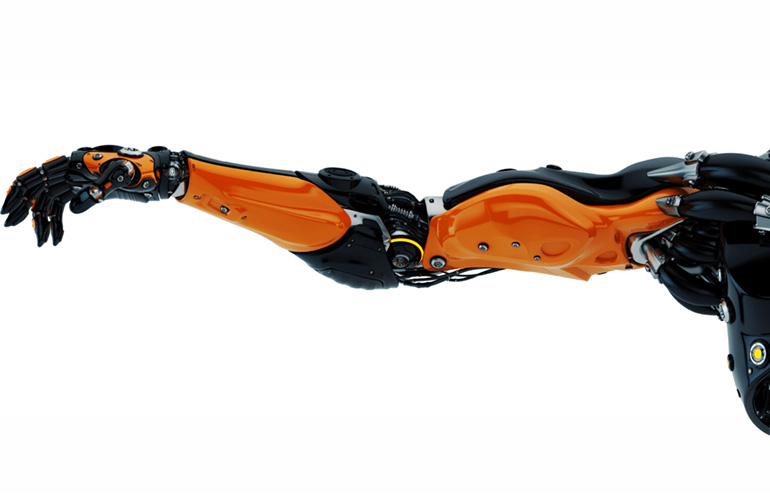
Timken Precision Drives offers a portfolio of motion technologies for humanoid developers. Source: Timken, Shutterstock What does your humanoid robot’s motion system need to do? For engineers developing humanoids, the answer involves balancing torque, speed, stiffness, weight, positioning accuracy, and available space. Each joint presents its own requirements, and the right solution begins with understanding those demands. That is the approach behind Timken Precision Drives, part of The Timken C