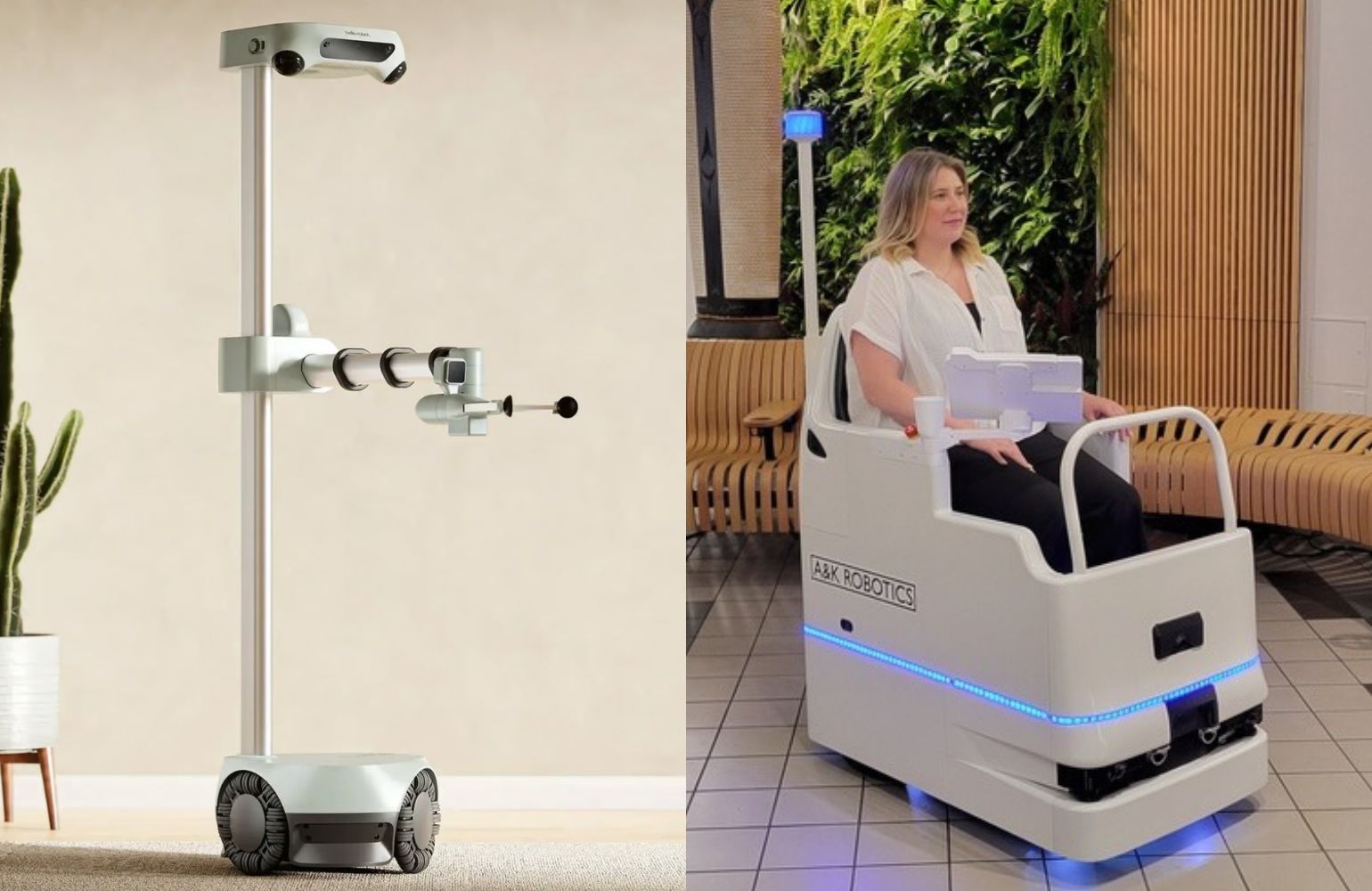
Hello Robot and A&K Robotics discuss indoor robot navigation
The Robot Report: Hello Robot, A&K Robotics to discuss how robots navigate crowded indoor spaces at RoboBusiness
On the left, Hello Robot’s Stretch 4, and on the right, A&K Robotics’ Cruz autonomous pod. | Source: Hello Robot, A&K Robotics Consumer-facing spaces are dynamic, crowded, and highly unpredictable, requiring robots to safely navigate around constantly changing obstacles, operate in diverse lighting conditions, navigate narrow passages and cluttered spaces, integrate with existing infrastructure, and balance autonomy with safety. As robots move beyond warehouses and other con
Get smart on it
Two robotics company leaders will discuss how robots can safely move through crowded indoor spaces at an upcoming industry conference. Consumer-facing spaces present unique challenges for robots, including constantly changing obstacles, varying lighting conditions, narrow passages, and the need to integrate with existing infrastructure while balancing autonomy with safety. As robots expand beyond controlled warehouse environments into everyday settings, solving these navigation problems is considered essential for widespread consumer acceptance and large-scale deployment. The discussion will take place at RoboBusiness 2026, an event focused on commercial robotics development and innovation.
Relevant courses
Want to go deeper than the news? Explore live, cohort-based AI courses taught by practitioners.
Browse AI courses on MavenRelated news

Gemini 4 Argon for Robotics
Roboticists can now use advanced language capabilities to improve how machines perceive and act in physical environments.
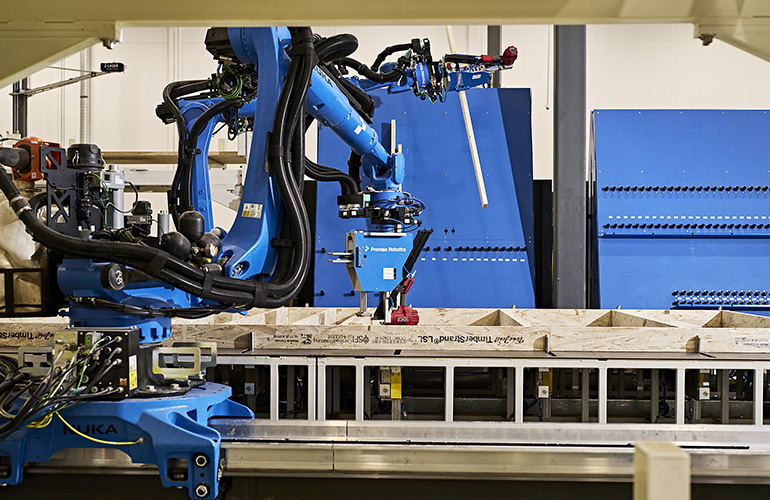
Promise Robotics partners with D.R. Horton on physical AI for homebuilding
Promise Robotics says it can accelerate homebuilding by standardizing component manufacturing. Source: Promise Robotics The construction industry is fragmented and has been relatively conservative about adopting new technologies, but physical AI promises to modernize homebuilding. Today, Promise Robotics said it has signed a multi-year agreement with D.R. Horton, which will use its Factory-as-a-Service capabilities to produce more than 1,250 homes in the U.S. “Homebuilding has long lacked the pr
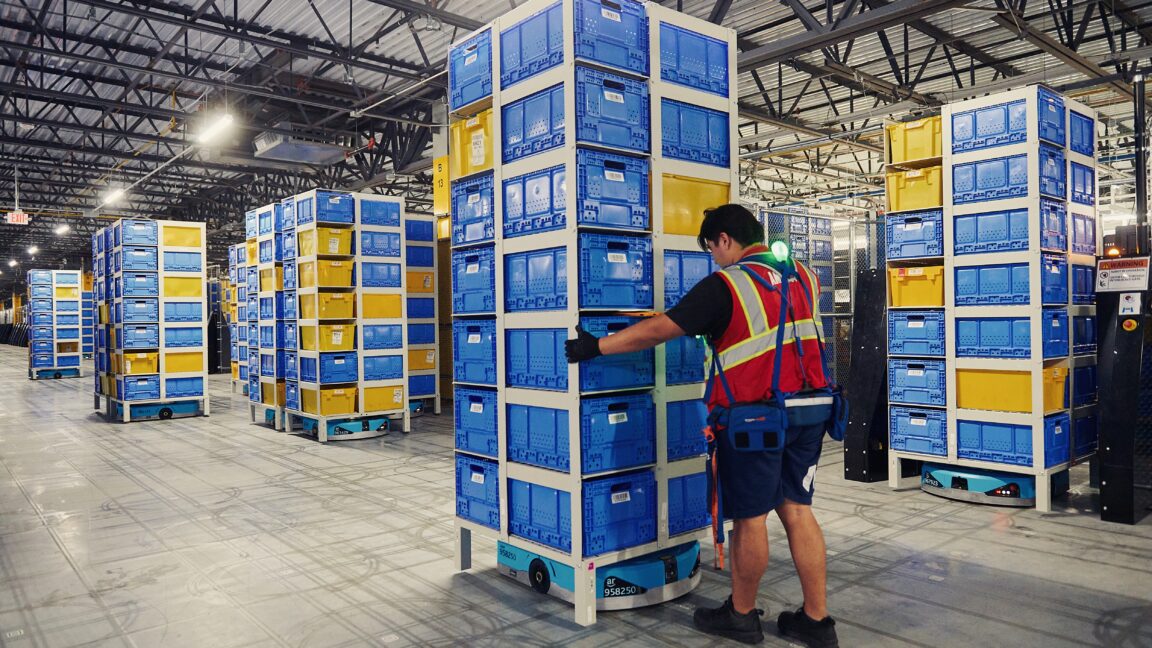
Amazon has over 1 million robot workers. What’s next for human employees?
No organization in the world operates more robots than Amazon. The company already has more than 1 million robots working in warehouses around the clock to make tens of millions of same-day and one-day package deliveries happen on a daily basis—and Amazon is poised to significantly grow that robotic fleet in the coming years as it establishes new factories to churn out increasingly more capable robot workers. Despite deploying so many robots, Amazon is also the second-largest corporate employer
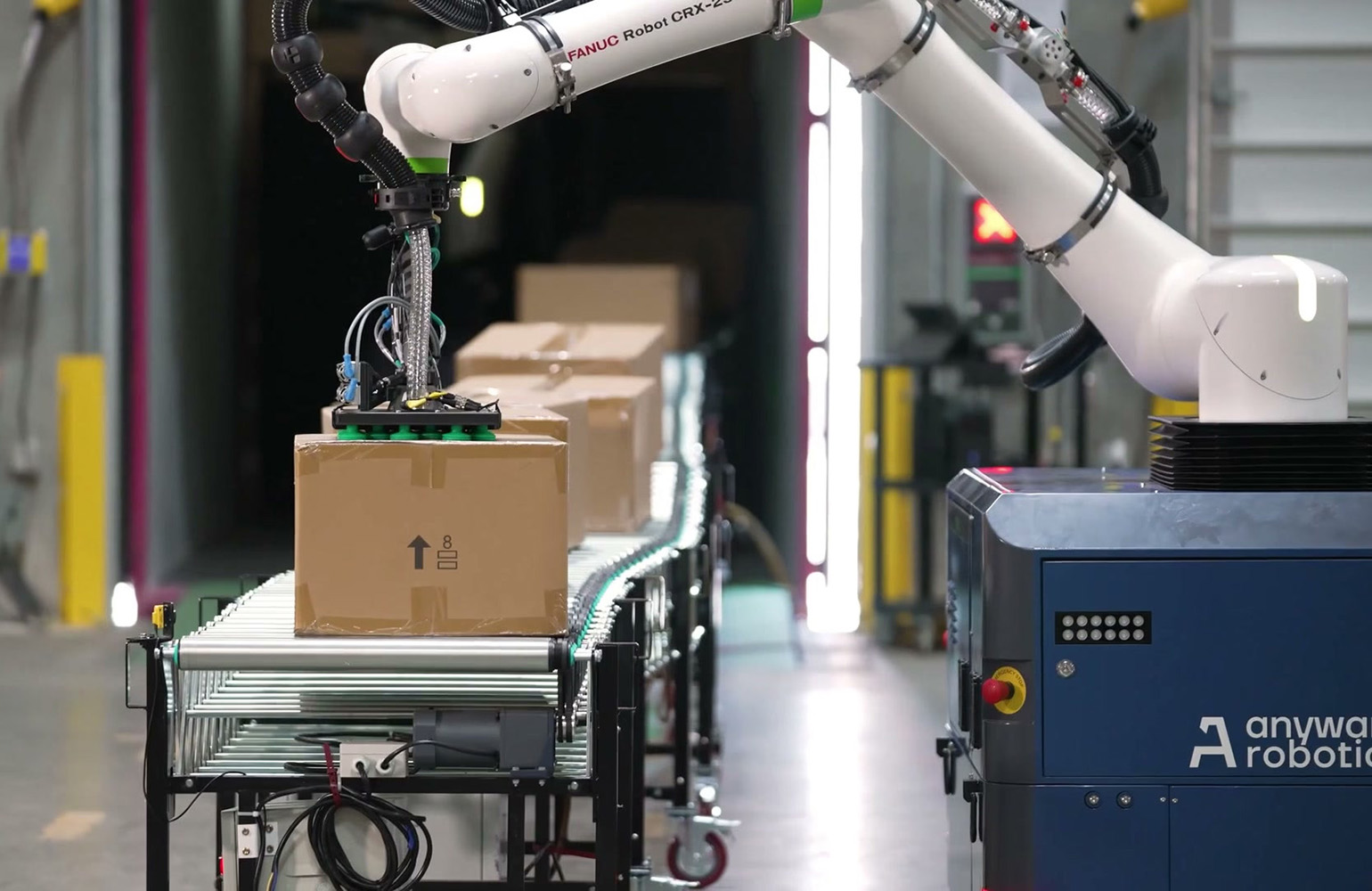
SafeWorld emerges from stealth to build, deploy robot safety simulation technologies
SafeWorld said its platform can work in a range of industries with a range of robot embodiments, including robots arms, humanoids, mobile robots, and more. | Source: SafeWorld SafeWorld this week emerged from stealth with $12.2 million in seed funding. The startup aims to make safety testing on AI-powered robots easier with its simulation technology. “Our point of view is that if you’re going to have more capable robots, it just makes sense that you need to have more capable ways to test and to
Jabil discusses the pace of humanoid robot development and production
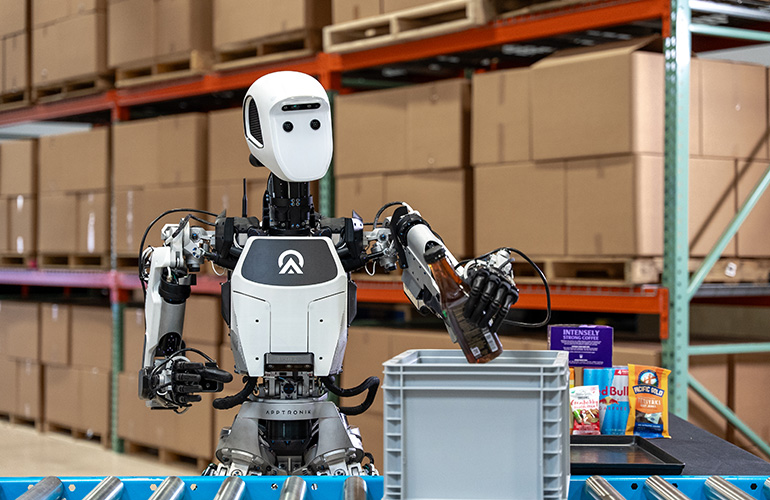
The Apollo humanoid robot is designed for a variety of applications. | Credit: Apptronik While much of the focus on humanoid robots has been on entertaining demonstration videos and massive amounts of funds raised, the work of development and finding a value proposition is quietly continuing. How are humanoids progressing from prototypes to mass production? Jabil Inc., a design, supply chain, and manufacturing services provider, offered its perspective. Companies preparing to ramp up production
AWS launches open-source Physical AI Toolchain for robotics
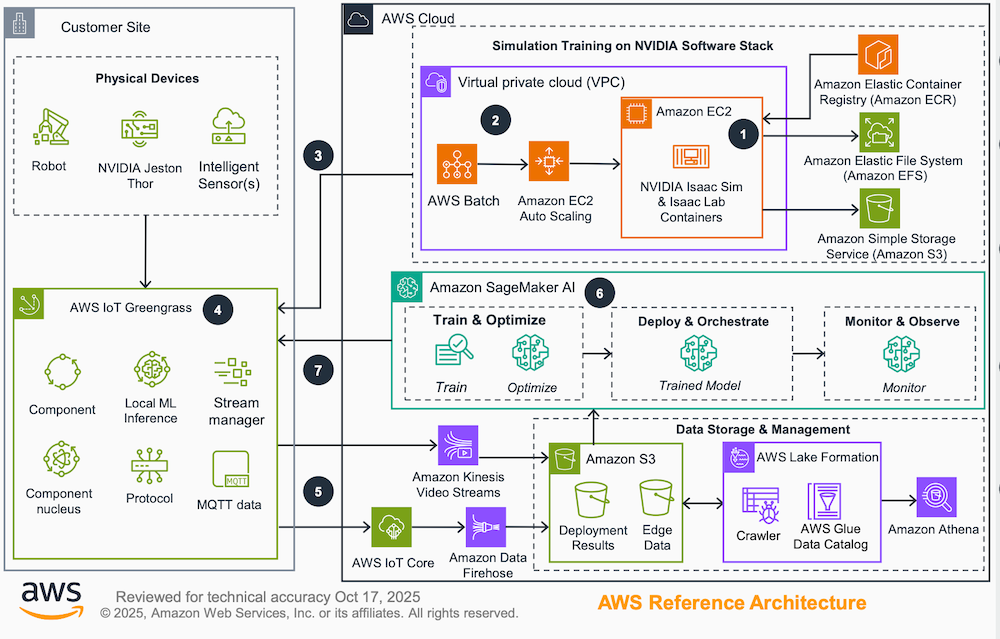
Amazon Web Services (AWS) today launched an open-source Physical AI Toolchain designed to help roboticists move from collecting data to training, simulating, validating and deploying AI models on their robots. The toolchain brings together AWS services and NVIDIA’s Physical AI software stack into a single development workflow. The goal is to address one of the biggest challenges facing companies developing AI-powered robots: connecting the many pieces required to turn a trained model into a sys