Real-time execution becomes warehouse automation edge
The Robot Report: Closing the reality gap: Why real-time execution has become the new competitive advantage
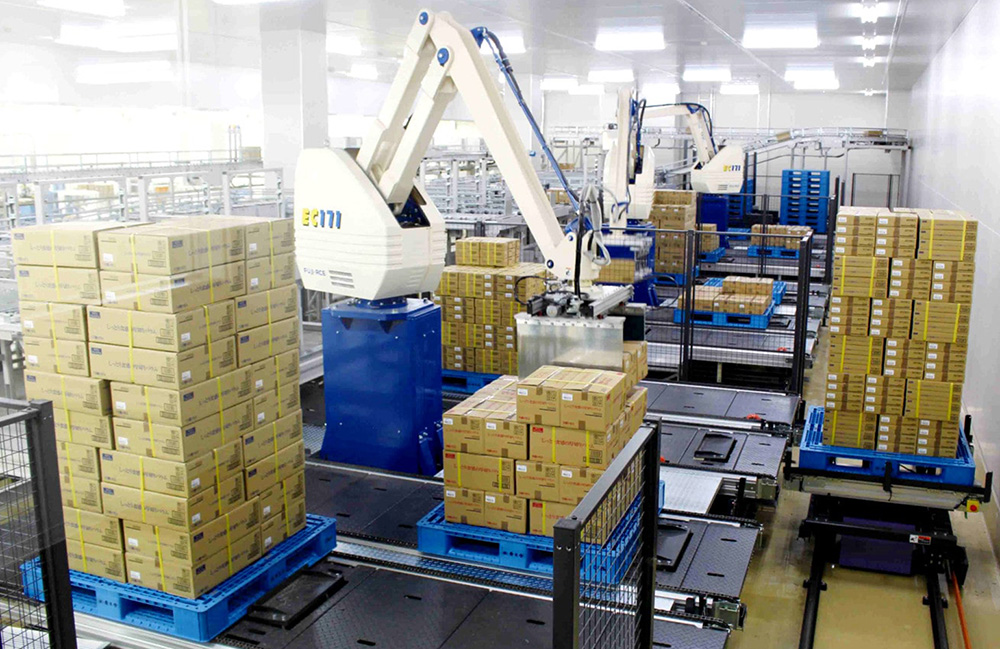
Daifuku helped to automate Kagetsudo Co.’s product storage system and production lines. | Source: Daifuku Organizations across the supply chain continue to invest heavily in automation. Yet for many warehouse and distribution leaders, the expected gains in productivity, throughput, and agility remain elusive. The issue is rarely a lack of technology. More often, it is a lack of synchronization. As fulfillment networks become increasingly complex, a new challenge has emerged: the growing ga
Get smart on it
Warehouse automation systems often fail to deliver expected productivity gains not because of insufficient technology, but because digital systems lose synchronization with actual floor conditions. This disconnect, called the "reality gap," occurs when data arrives too late, remains siloed, or lacks context for timely decision-making, causing leaders to respond to events that have already happened rather than manage conditions as they unfold. Modern competitive advantage is shifting from simply automating individual processes to orchestrating multiple systems in real-time, which requires continuous awareness of conditions, immediate detection of disruptions, and rapid adaptation across interconnected people and technology. Organizations that close this gap become more resilient and adaptable, reducing the friction between knowing what is happening and acting on it.
Relevant courses
Want to go deeper than the news? Explore live, cohort-based AI courses taught by practitioners.
Browse AI courses on MavenRelated news
Amazon has over 1 million robot workers. What’s next for human employees?
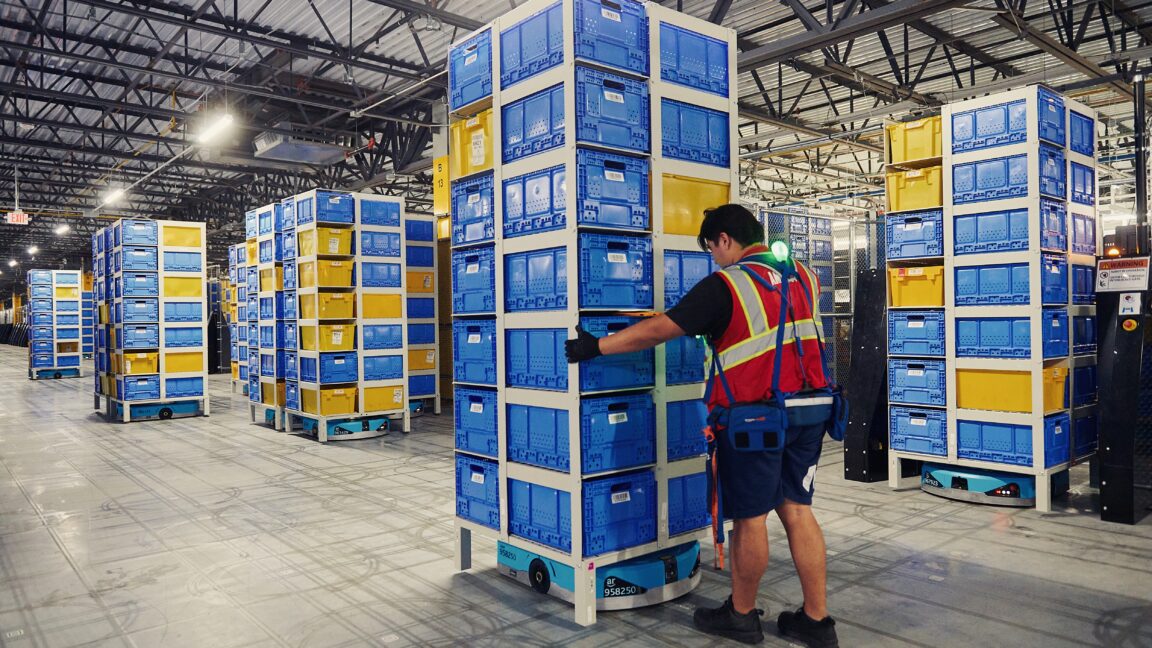
No organization in the world operates more robots than Amazon. The company already has more than 1 million robots working in warehouses around the clock to make tens of millions of same-day and one-day package deliveries happen on a daily basis—and Amazon is poised to significantly grow that robotic fleet in the coming years as it establishes new factories to churn out increasingly more capable robot workers. Despite deploying so many robots, Amazon is also the second-largest corporate employer
SafeWorld emerges from stealth to build, deploy robot safety simulation technologies
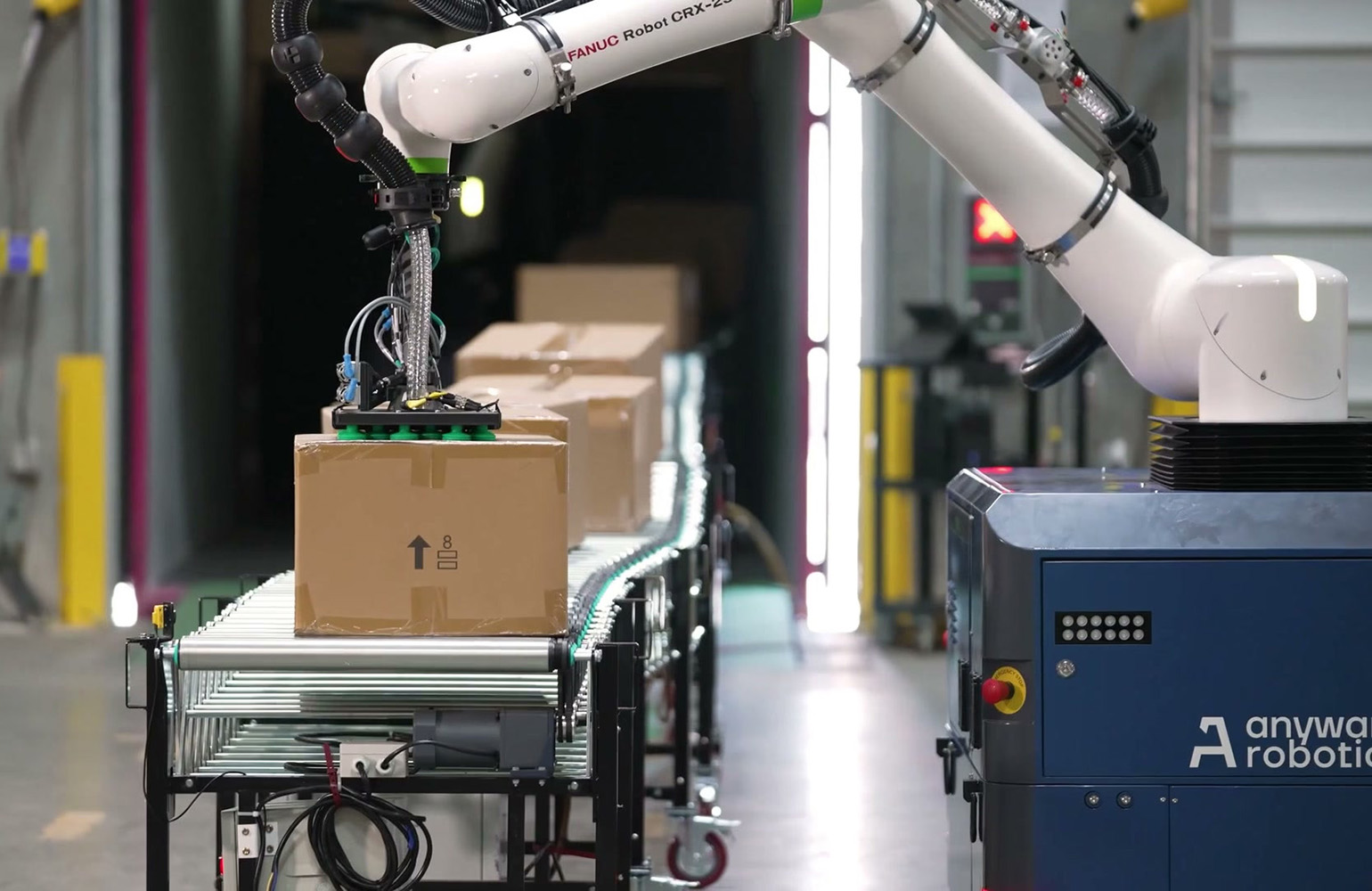
SafeWorld said its platform can work in a range of industries with a range of robot embodiments, including robots arms, humanoids, mobile robots, and more. | Source: SafeWorld SafeWorld this week emerged from stealth with $12.2 million in seed funding. The startup aims to make safety testing on AI-powered robots easier with its simulation technology. “Our point of view is that if you’re going to have more capable robots, it just makes sense that you need to have more capable ways to test and to
Jabil discusses the pace of humanoid robot development and production
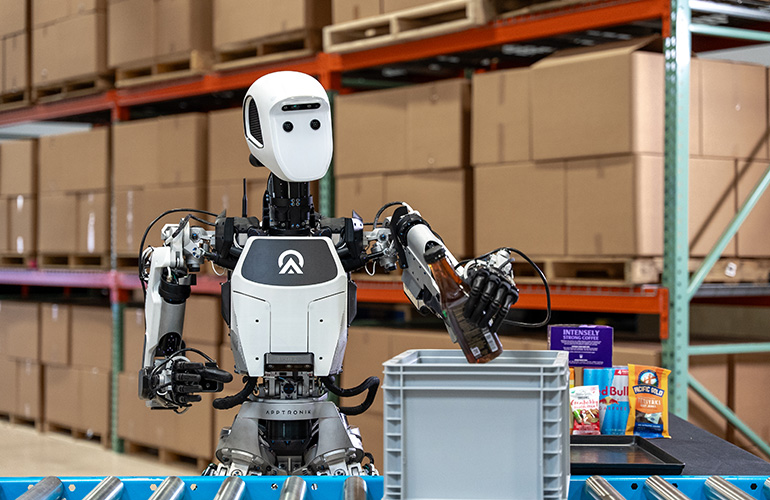
The Apollo humanoid robot is designed for a variety of applications. | Credit: Apptronik While much of the focus on humanoid robots has been on entertaining demonstration videos and massive amounts of funds raised, the work of development and finding a value proposition is quietly continuing. How are humanoids progressing from prototypes to mass production? Jabil Inc., a design, supply chain, and manufacturing services provider, offered its perspective. Companies preparing to ramp up production
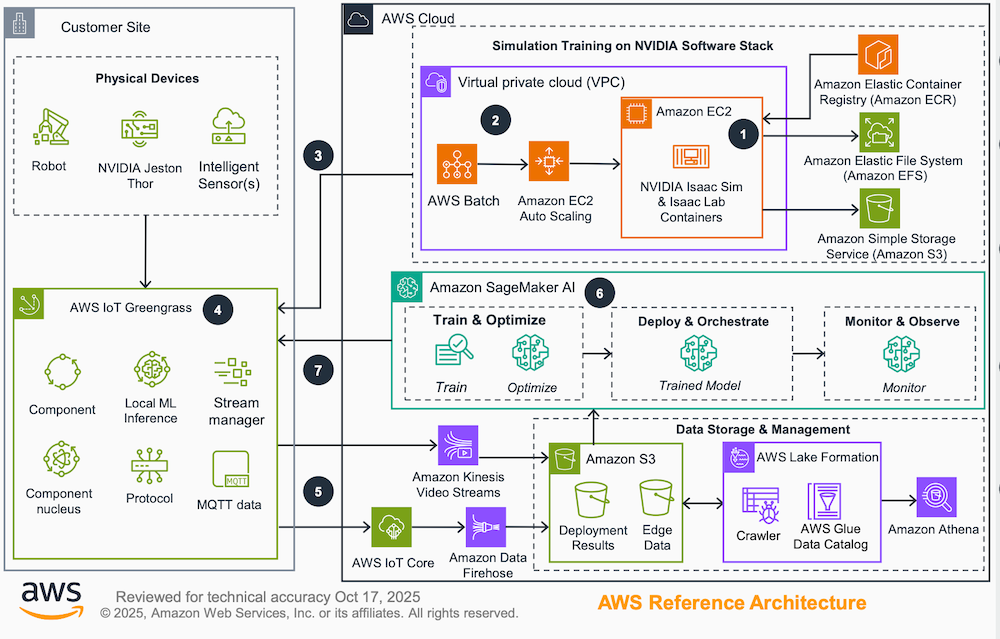
AWS launches open-source Physical AI Toolchain for robotics
Amazon Web Services (AWS) today launched an open-source Physical AI Toolchain designed to help roboticists move from collecting data to training, simulating, validating and deploying AI models on their robots. The toolchain brings together AWS services and NVIDIA’s Physical AI software stack into a single development workflow. The goal is to address one of the biggest challenges facing companies developing AI-powered robots: connecting the many pieces required to turn a trained model into a sys
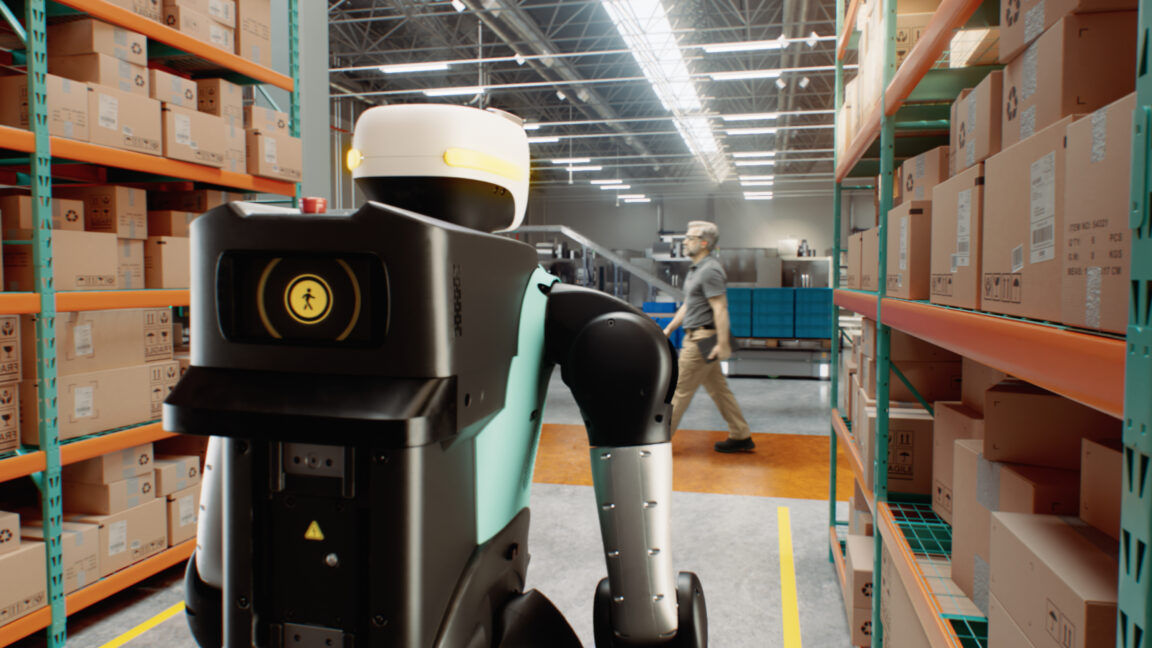
Nvidia's big bet on physical AI aims for safer robotaxis, humanoid robots
Investors bullish on AI data centers may be fueling Nvidia’s multi-trillion-dollar market capitalization, but the AI chipmaker has also bet billions of dollars on physical AI technologies such as robotics and self-driving cars. Part of that gambit has involved Nvidia developing a full-stack safety system that companies can build upon to reduce the risk of their machines harming nearby people. Nvidia's Halos system launched in 2025 with hardware and software tools to help developers implement gua
Teradyne Robotics, Elite Robots settle cobot dispute
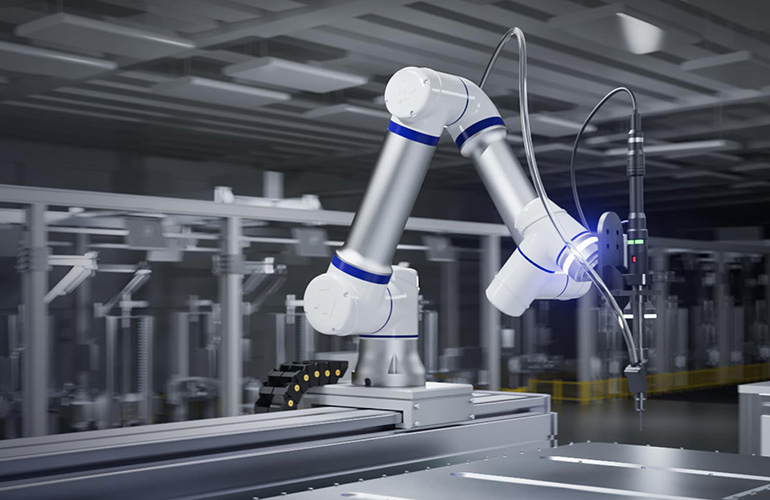
Teradyne claimed that Elite Robots’ cobots (above) and software were similar to its own. Credit: Elite Robots Teradyne Robotics and Elite Robots have reached a mutual agreement resolving a legal dispute over robots and software, bringing the case to an end without either company disclosing the terms of the settlement. Teradyne Robotics, a subsidiary of Teradyne Inc. and parent company of Universal Robots A/S, announced the settlement on Oct. 1. The resolution aims to bring the dispute betw