Whatever AI Safety Is, It’s Not This
Asking AI companies to self-regulate is a great way to pretend like you’ve accomplished something.
Get smart on it
The article argues that asking AI companies to regulate themselves on safety issues is ineffective. The author uses a historical analogy: the automotive industry claimed to voluntarily adopt safety features like seat belts in the 1960s, when in reality evidence showed many lives could have been saved if such regulations had been mandatory earlier. By extension, the piece suggests that self-regulation by AI companies is a way to appear to address safety concerns without actually accomplishing meaningful progress.
Related news
These AI Experts Want to Do High-Stakes Research Out in the Open
Many frontier labs keep their risky research locked away. Trillium Labs wants to show off its work when it comes to self-improvement and model behavior.
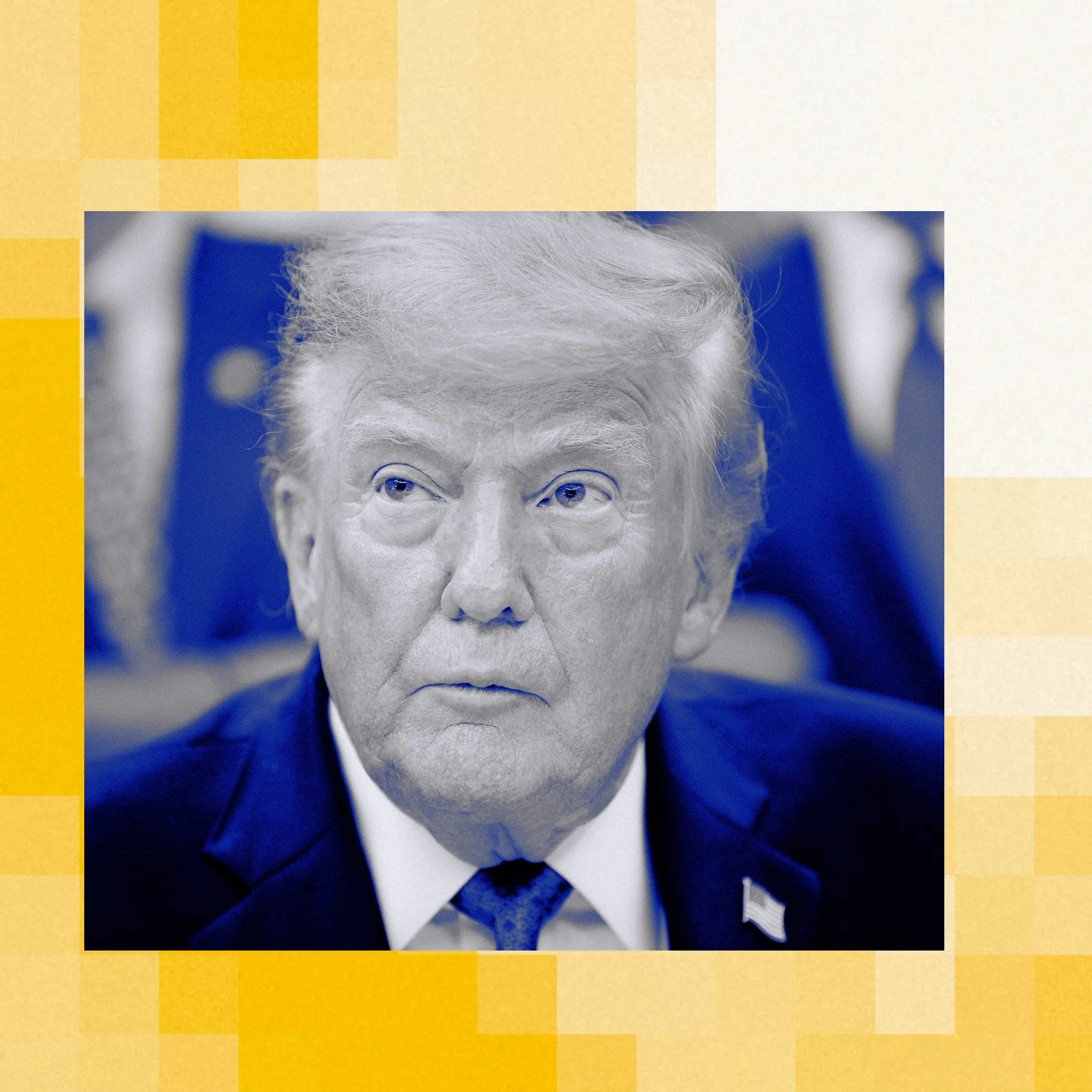
Trump’s Crazy AI Rebrand Was a Loyalty Test for Tech Execs, and It Worked
For years these billionaires gushed obsessively about AI. But they meekly went along when Trump cancelled the term.