
Trump orders US government to call AI ‘Super Intelligence’
Image: Carolyn Van Houten / The Washington Post via Getty Images The US executive branch is no longer acknowledging the existence of "artificial intelligence." Going forward, official policy websites, policy documents, and press releases will refer only to "Super Intelligence," thanks to a new executive order signed by President Donald Trump. "The word super is the best word of all, and it's the simplest," Trump said at an event announcing the launch of America.gov earlier on Tu
President Trump signed an executive order requiring the US government to use the term "Super Intelligence" instead of "artificial intelligence" or "AI" in official policy websites, documents, and press releases. Trump stated that the word "super" is preferable because AI is not actually artificial but rather powerful and brilliant, and he argued the term will help address fears about AI advancing too quickly and posing safety risks. Executive agencies will not need to change past regulations or documents, but officials are expected to avoid acknowledging the terms "artificial intelligence" or "AI" in relevant settings going forward.
One short email a day with the stories that matter. Free. Unsubscribe with one click.
Want to go deeper than the news? Explore live, cohort-based AI courses taught by practitioners.
Browse AI courses on Maven
Nvidia is abandoning China after Jensen Huang’s ouster
Nvidia's interim CEO says the company is done selling chips to China. How much will that cost?
Also reported by The Verge

California state AG sues OpenAI over rogue agent incidents
The California lawsuit represents one of the first attempts to hold an AI lab legally accountable for a rogue agent incident
Also reported by The Verge
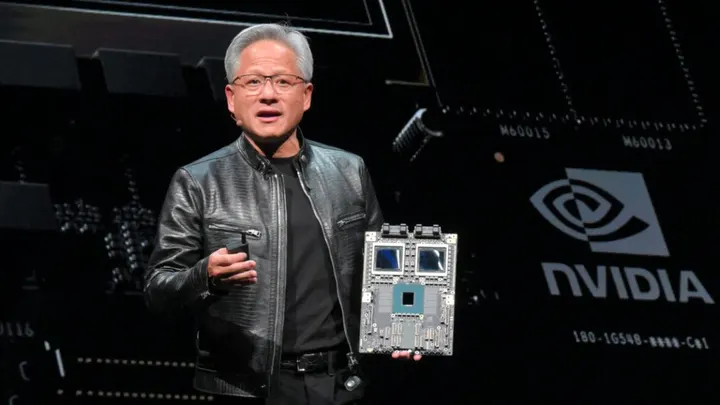
Jensen Huang allies build a "war room" to get him back at Nvidia
Jensen Huang is considering a comeback as Nvidia’s chief executive, as allies in Silicon Valley pressure the company’s board to reinstate him days after the tech executive resigned over reports he had affairs with a suspected Chinese spy and a subordinate. Huang has discussed with confidants the possibility of returning, according to multiple people familiar with the matter—even as an independent probe by Nvidia’s board investigates the conduct that led to a spectacular leadership crisis at the
Also reported by The Verge
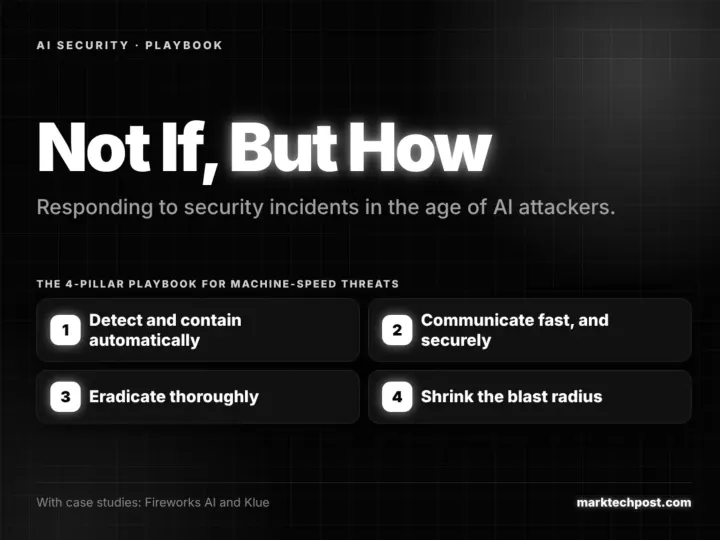
Not If, But How: Responding to Security Incidents in the Age of AI Attackers
Attackers now have powerful AI on their side. AI agents can scan, plan and run intrusions at machine speed, and they improve every month. The result is more attacks, more often and at global scale. In that environment, more companies will face a security incident at some point. What separates them is how they respond. Machine-speed threats call for a modern playbook with 4 pillars. Detect and contain automatically. Communicate fast and securely. Eradicate thoroughly. Keep shrinking the blast ra

SEC reportedly investigating Nvidia amid Huang exit
The SEC is opening a probe into Nvidia following the departure of CEO Jensen Huang, who admitted to an affair with an alleged Chinese spy, reports The Wall Street Journal.

AI models can be tricked into identifying civilians as military targets by telling them it’s a game
Vals, a San Francisco-based AI evaluation startup, tested whether leading AI models could be manipulated into participating in autonomous warfare. They usually compiled.