The Trump administration is supporting OpenAI in the NYT copyright lawsuit
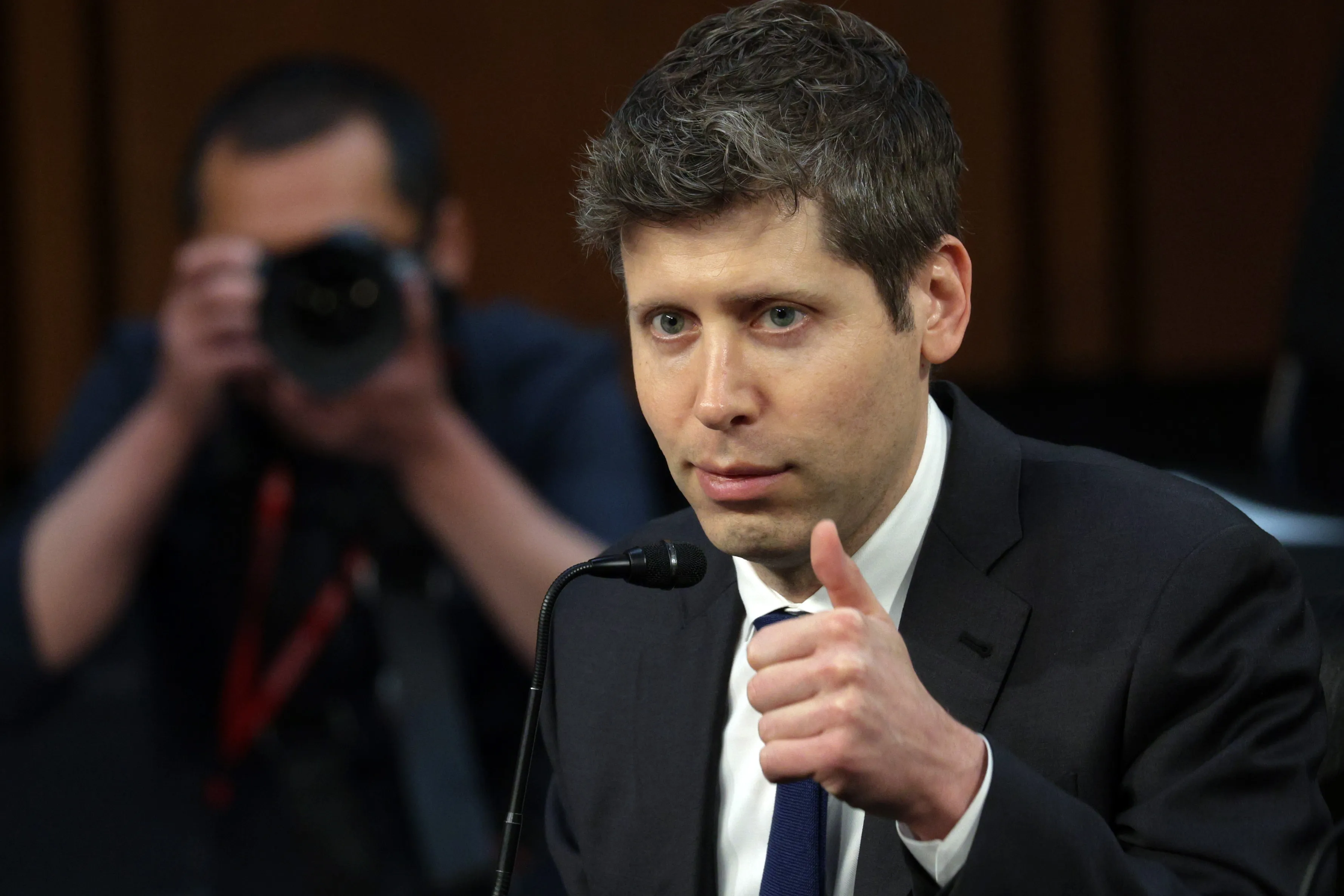
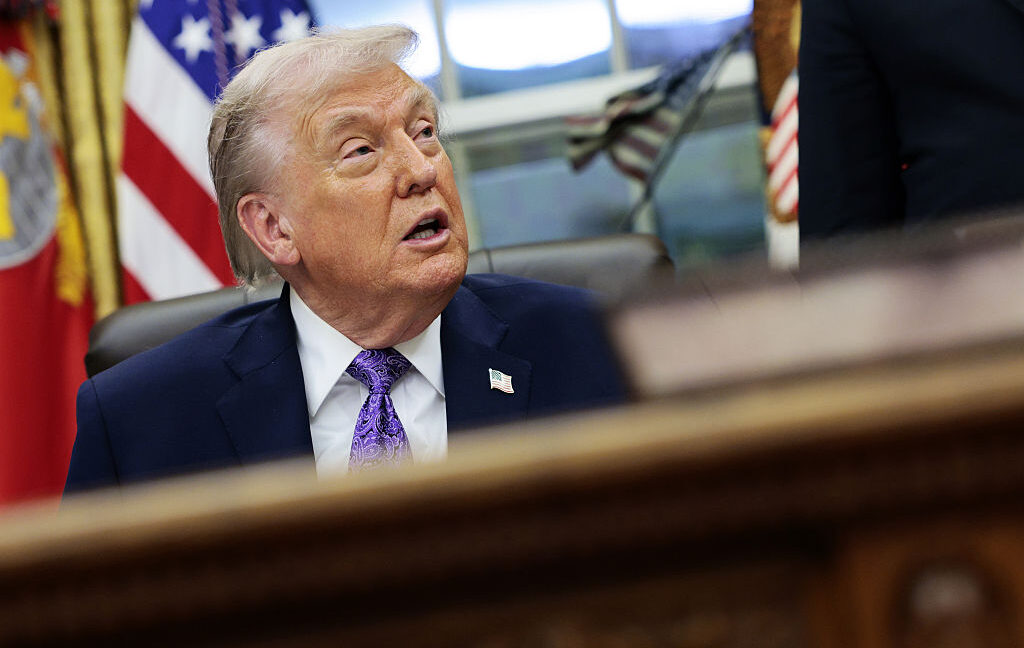
The Trump administration has intervened in The New York Times' copyright lawsuit against OpenAI, making an argument in favor of the AI lab. The landmark lawsuit, filed in December 2023, alleging that OpenAI unlawfully trained its AI systems on articles from The New York Times and seeks to recoup "billions of dollars" in damages from both Microsoft and OpenAI. This week, the Trump administration filed a statement of interest in the case, supporting OpenAI's argument that it's f
Get smart on it
The Trump administration filed a legal statement supporting OpenAI in a copyright lawsuit brought by The New York Times, arguing that training AI models on copyrighted text should be considered fair use under copyright law. US attorneys wrote that restricting AI model training would harm scientific progress and American prosperity, and that such broad copyright liability would be legally incorrect. This case matters because a ruling could set precedent for other media outlets suing AI companies over unauthorized training on their work, though some outlets have already chosen to license their content to AI labs instead. The copyright dispute reflects broader tension between media companies and AI developers over whether using published material to train systems requires permission or payment.
Related news
Prediction Market Betting Is Getting People Banned and Arrested
This week on Uncanny Valley, we dig into the latest prediction market buzz, Flock’s AI-powered police search tool, and how tech bros don’t know how to talk about “rouge” AI agents

Abliteration.ai is making a business out of removing AI guardrails
Abliteration.AI is making powerful AI models without guardrails easier to access, arguing that giving defenders the same tools as bad actors could ultimately improve cybersecurity.