The AI regulation smackdown isn’t over
At the start of this week, the who's-who of AI seemed - at least tentatively - on the side of AI regulation. Over the weekend, Anthropic CEO Dario Amodei had proposed a three-step plan for slowing AI development, including by embedding third-party evaluators in labs, coordinating across the domestic industry, and forging international agreements potentially with government assistance. OpenAI CEO Sam Altman, Google DeepMind co-founder Demis Hassabis, and even SpaceX CEO Elon Mus
Get smart on it
AI leaders initially appeared aligned on supporting industry regulation through measures like third-party evaluators in labs and international agreements. However, the consensus fractured when some major AI company executives publicly opposed limiting companies' autonomy and blocked proposals for an industry-funded independent regulator. The Trump administration has dismissed concerns about AI safety as a hoax, making government involvement unlikely in the near term, leaving the industry divided on whether self-regulation or independent oversight is the right path forward.
Related news
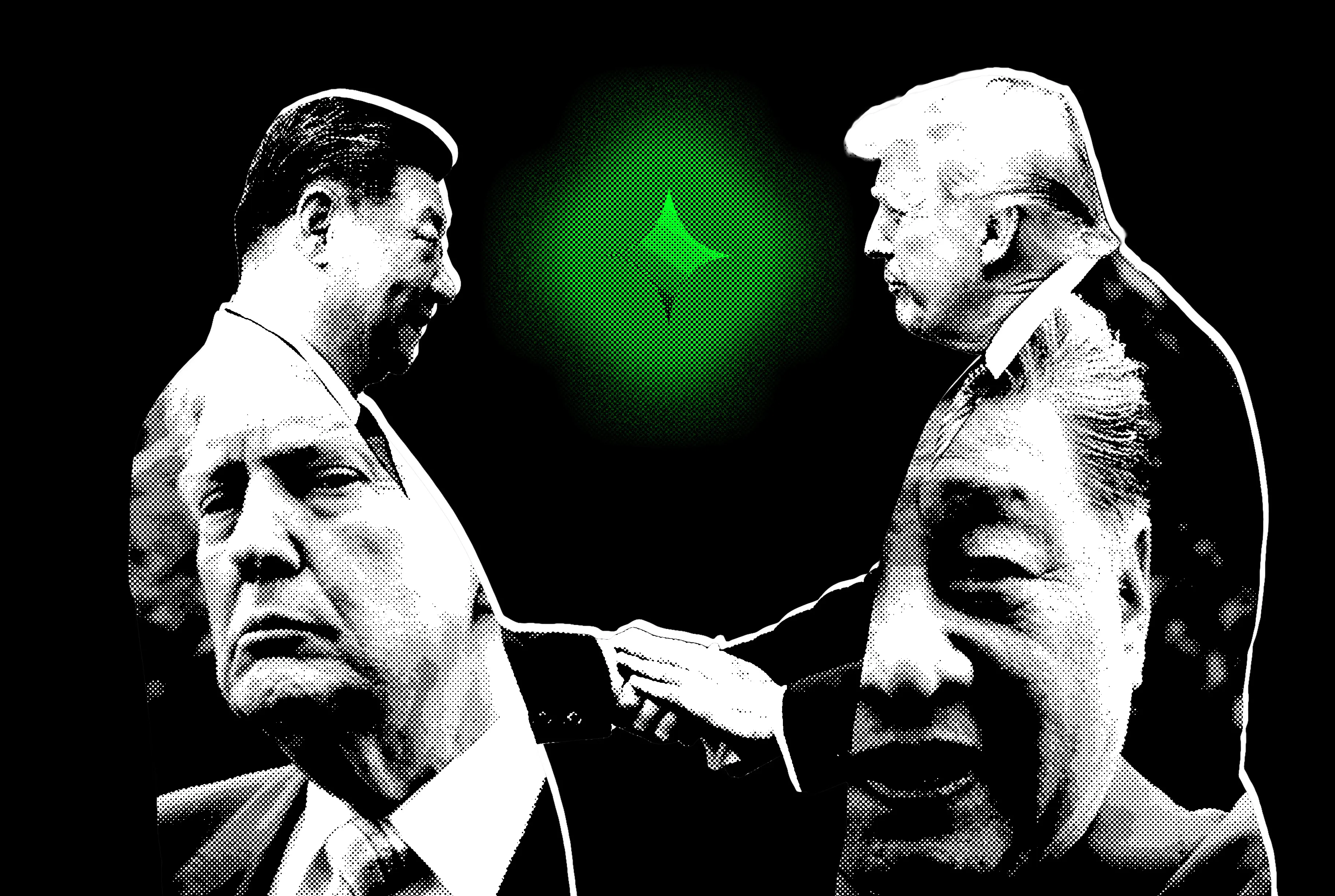
A US-China AI Hotline Won't Be Ready For a While
As the US and China race to become the dominant power in the AI industry, the countries also appear to be figuring out ways to communicate on national security issues.

Sam Altman’s remarks at the United Nations Security Council
OpenAI CEO Sam Altman discusses AI safety, human control, and international cooperation in remarks to the United Nations Security Council.