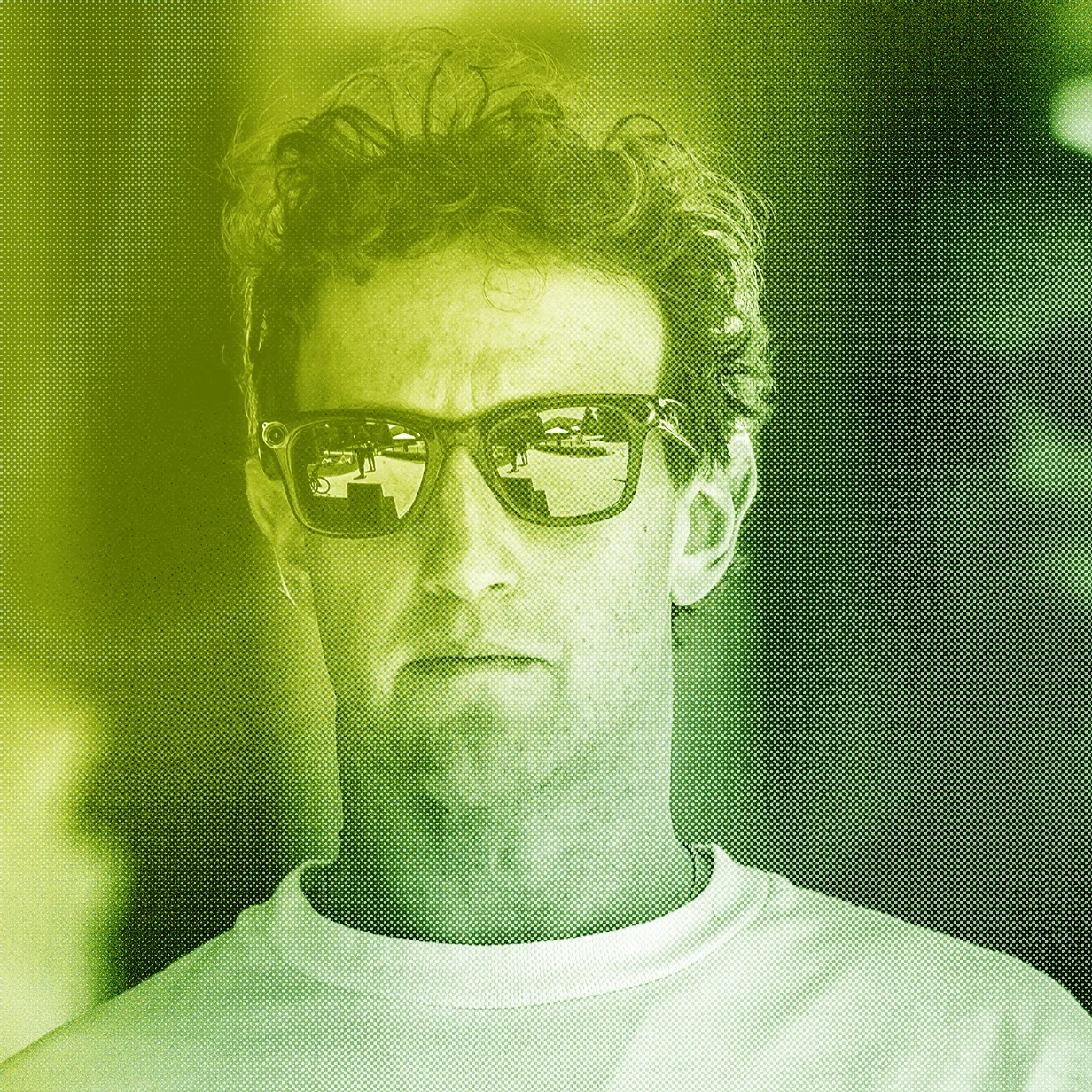
Tech Visionary Says the Big AI Labs Don’t Get What People Want
Tim O’Reilly built a publishing empire that AI is helping to destroy. Yet he loves AI—as long as it’s open source.
Get smart on it
A prominent tech figure is advocating for open-source artificial intelligence, arguing that major AI companies are not aligned with what people actually want. He applies his principle that entities should create more value than they capture, and warns that today's large-scale AI companies may be trying to lock users into proprietary systems, similar to practices from previous decades. He promotes making AI technology more widely accessible by opening up critical technical details and the entire stack of AI systems to give control to designers and users rather than concentrating it with large companies.
Related news

Amazon Can Use Your Twitch Content to Train Its AI, Unless You Opt Out
When Twitch announced that streamers could opt out, thousands of users questioned why their content was being used to train AI models in the first place.

Suspecting court of using AI, man injected prompts in filings to try to win case
A judge has identified what appears to be the first time a US plaintiff has attempted to hide text in court filings that only an artificial intelligence system can read in a bid to win a case. In a decision published last week, Connecticut judge Walter Spader Jr. confirmed that the hidden text had no impact in a case where a man alleged a healthcare provider was improperly withholding access to records. The court weighed his filing on the merits, Spader said, but nevertheless, the attempted atta