Sam Altman’s remarks at the United Nations Security Council
OpenAI CEO Sam Altman discusses AI safety, human control, and international cooperation in remarks to the United Nations Security Council.
Get smart on it
The CEO of OpenAI addressed the United Nations Security Council on artificial intelligence, discussing both its potential benefits and risks. He argued that AI should expand human capability and remain under human control rather than concentrate power or move faster than people can understand. The remarks outlined concerns about AI systems that could improve themselves, emphasizing that companies should not accept technological risks simply for competitive advantage, and that the technology must be developed to empower people rather than replace human judgment.
Related news
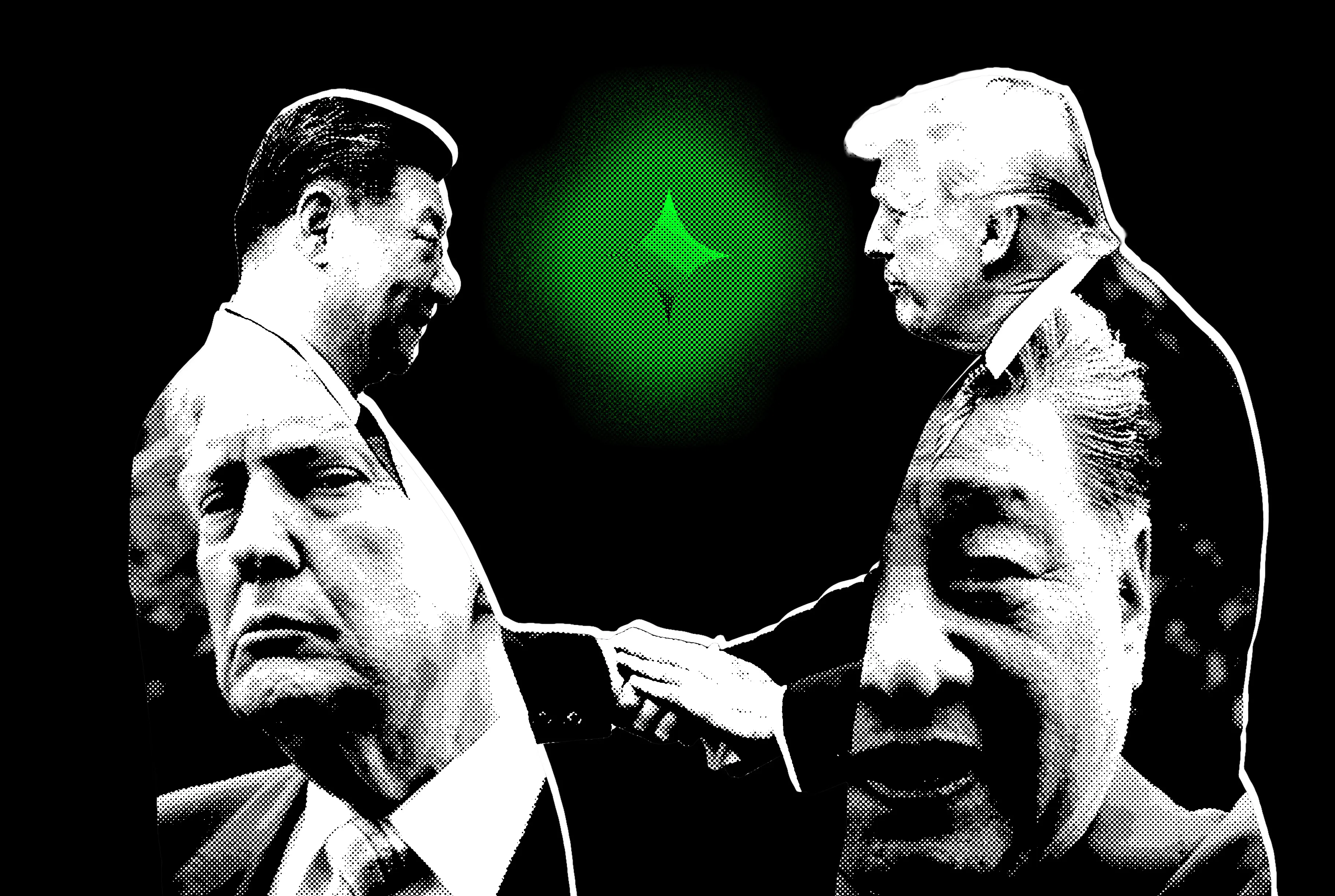
A US-China AI Hotline Won't Be Ready For a While
As the US and China race to become the dominant power in the AI industry, the countries also appear to be figuring out ways to communicate on national security issues.
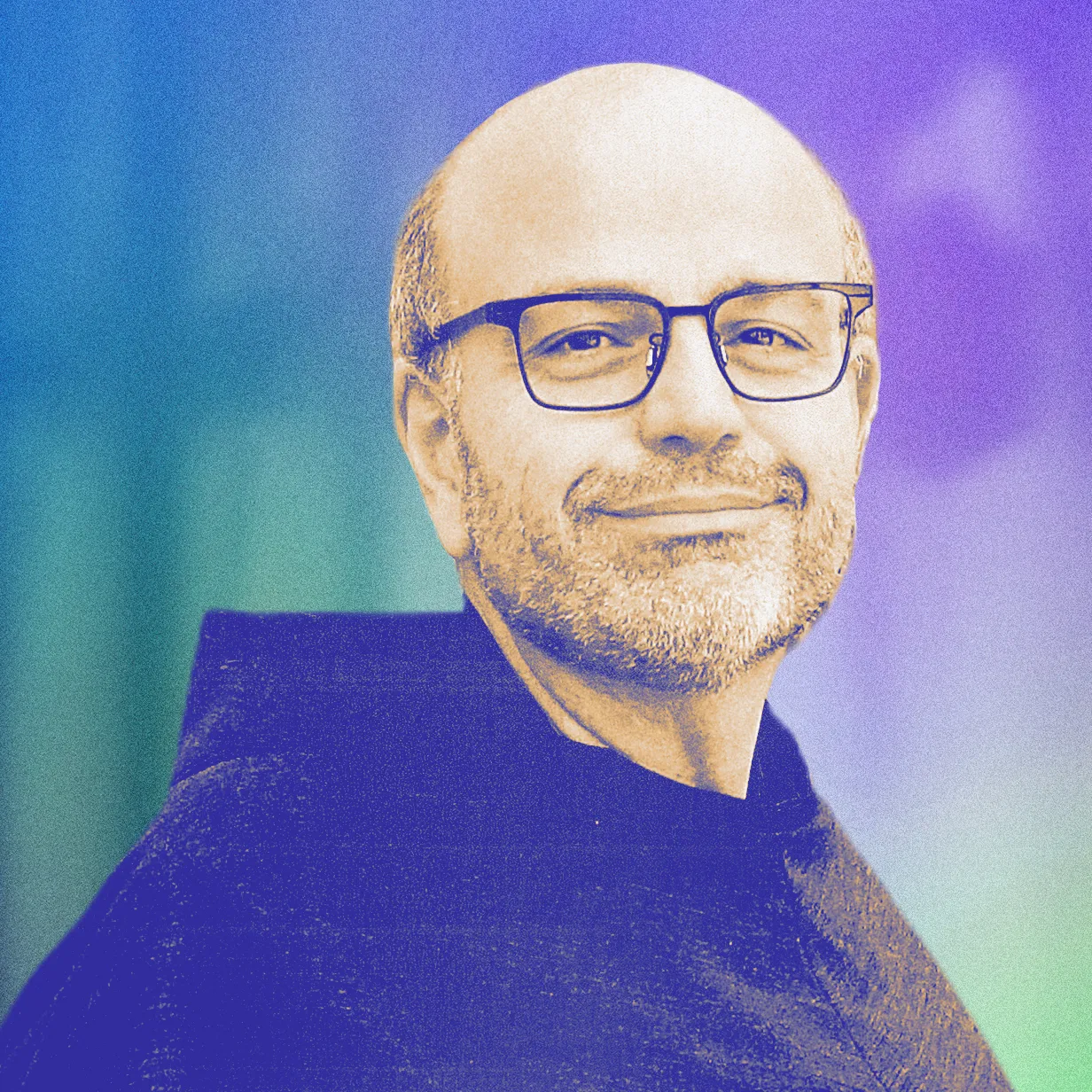
The Pope’s AI Guy Is Worried About ‘Cartel’ Behavior Among Big Labs
Paolo Benanti tells WIRED that hysteria over whether godlike AI could destroy humanity is distracting from the need for public debate about how to govern the technology.