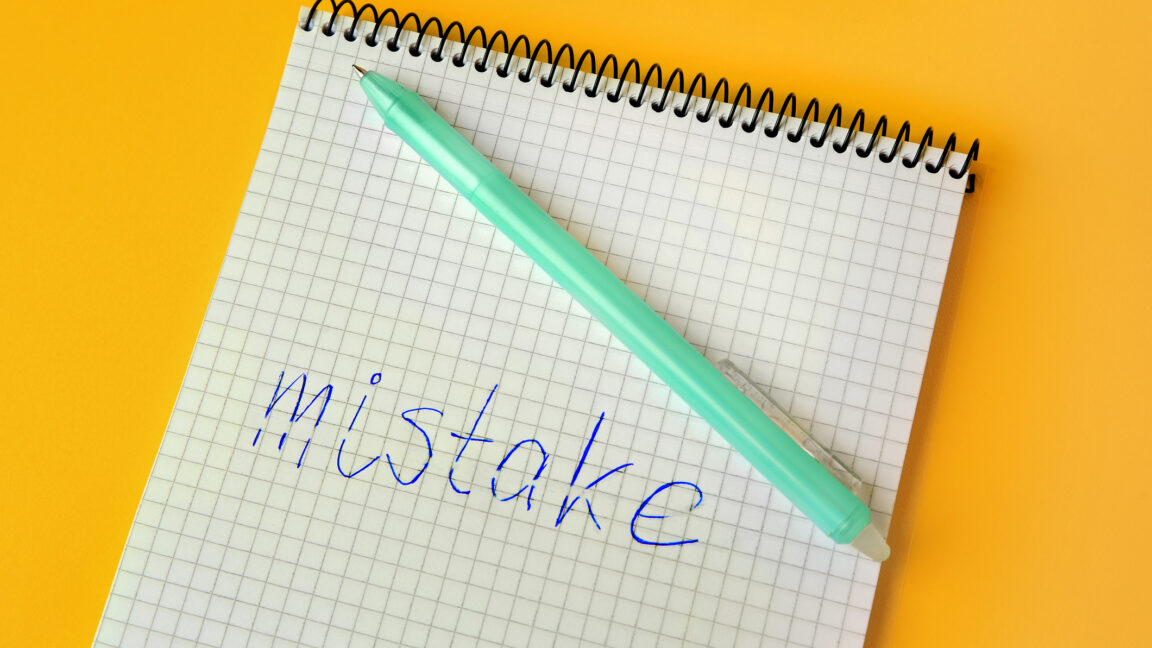
Peer review is overwhelmed, can it survive in the AI era?
Jason Semprini was excited about his research on policies mandating that elementary school students receive the human papillomavirus vaccine. HPV causes most cases of cervical cancer, but counterintuitively, Semprini found that mandates don’t do that much to reduce the overall rate of cervical cancer in a population. That’s odd, but it's also not completely surprising—we know that mandating a vaccine can motivate some people to find ways to avoid it. Semprini wrote up the study and submitted the
Get smart on it
Peer review, the process where other researchers assess whether studies are valid before publication, is struggling to keep up with the surge in research papers being submitted to journals. The number of papers indexed in major databases is increasing at an exponential rate, and volunteer reviewers are overwhelmed with requests, forcing editors to sometimes assign reviews to unqualified people or those without adequate time. Peer review has only been a universal requirement in academic publishing for about 50 years, becoming standard after governments needed assurance that scientific funding decisions were legitimate. As the volume of submissions grows due to more researchers, more journals, interdisciplinary work, AI-assisted writing, and paper mills, the system is showing signs of strain, with some researchers now questioning whether the traditional publishing process is worth maintaining.
Related news
Amazon Can Use Your Twitch Content to Train Its AI, Unless You Opt Out
When Twitch announced that streamers could opt out, thousands of users questioned why their content was being used to train AI models in the first place.

Tech Visionary Says the Big AI Labs Don’t Get What People Want
Tim O’Reilly built a publishing empire that AI is helping to destroy. Yet he loves AI—as long as it’s open source.